Choosing the right CRM can make or break your business growth. You want a tool that not only stores your customer data but helps you understand it effortlessly.
That’s where the battle between Planhat and HubSpot gets interesting. If you’re juggling spreadsheets and feeling overwhelmed, you’re not alone—and the solution might be simpler than you think. HubSpot offers a free CRM designed specifically for startups and small businesses, unifying your customer info on one smart platform powered by AI. Ready to discover which CRM fits your business like a glove? Let’s dive into the Planhat vs HubSpot showdown and find out which tool can truly transform your customer relationships. Explore HubSpot here: HubSpot CRM
Introduction To Planhat And Hubspot
Choosing the right CRM and customer success platform shapes business success. Planhat and HubSpot serve this need with different approaches. Understanding their core functions helps businesses pick the best fit.
Overview Of Planhat: Purpose And Core Functions
Planhat focuses on customer success management. It helps businesses reduce churn and increase customer loyalty. Key functions include:
- Real-time customer health tracking
- Automated workflows for customer engagement
- Data-driven insights to improve retention
- Integration with various business tools
Planhat is built for teams aiming to deepen customer relationships. It offers a no-code platform that suits customer success managers well.
Overview Of Hubspot: Purpose And Core Functions
HubSpot offers a free CRM tailored for startups and small businesses. It unifies all customer data on one platform. Main features include:
- Contact and deal management
- AI-powered data organization
- Marketing, sales, and service tools in one place
- Easy-to-use interface with no expiration free plan
HubSpot’s CRM helps teams manage customers simply and efficiently. It supports growth without extra costs on the free plan.
Why Comparing Planhat And Hubspot Matters For Business Growth
Both platforms support customer management but serve different needs. Comparing them highlights:
- Which tool fits your team’s size and goals
- How each platform handles customer data and insights
- Cost-effectiveness for startups or scaling businesses
- Ease of use and integration capabilities
This comparison guides better decisions for improving customer relationships and boosting growth.

Credit: www.planhat.com
Key Features That Set Planhat Apart
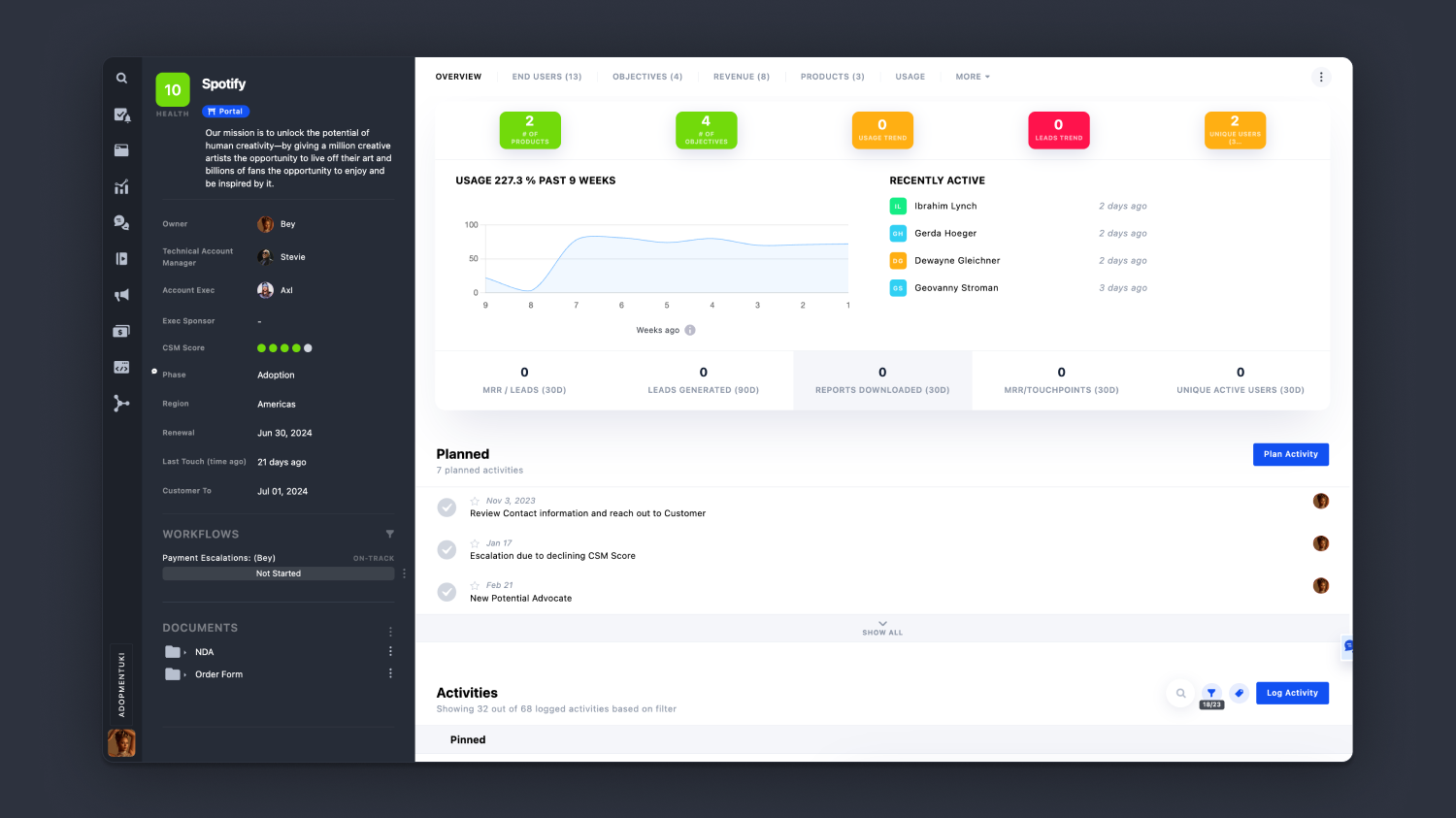
Planhat offers unique features focused on customer success management. These features help businesses stay ahead by tracking customer health, syncing data seamlessly, and customizing workflows. The platform’s tools empower teams to make decisions based on clear, actionable insights.
Customer Health Scoring: Enhancing Proactive Success Management
Planhat uses customer health scoring to measure how satisfied and engaged each customer is. Scores combine usage data, support tickets, and other signals into one clear metric.
- Identifies risks before they become problems
- Highlights upsell and renewal opportunities
- Supports customer success managers in timely outreach
This helps teams act quickly to improve customer relationships and reduce churn.
Bidirectional Integration With Hubspot: Streamlining Data Sync
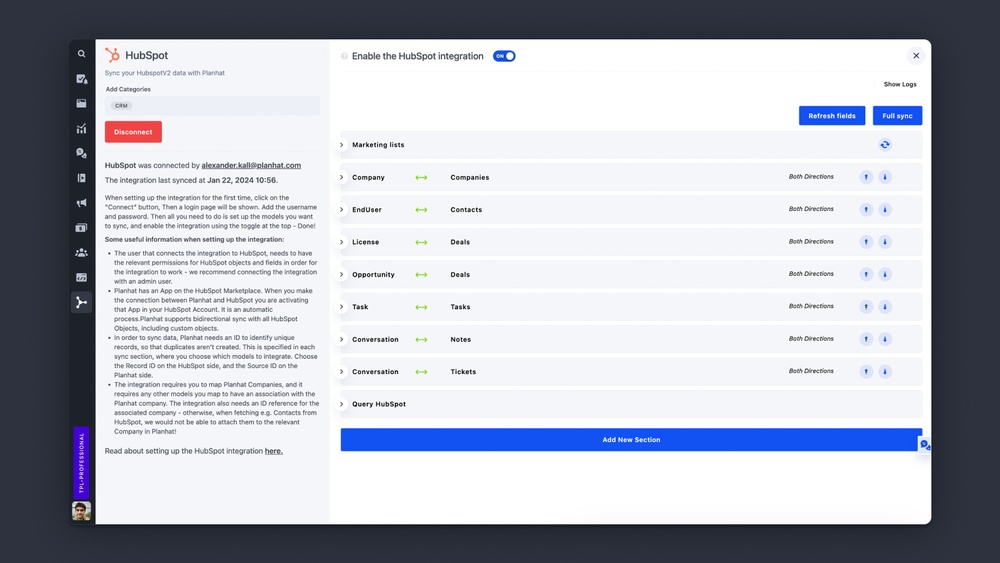
Planhat integrates bidirectionally with HubSpot, syncing customer information both ways. This keeps sales and success teams aligned.
| Feature | Benefit |
|---|---|
| Automatic data sync | Ensures updated customer details across platforms |
| Shared customer activity | Improves team collaboration and visibility |
| Real-time updates | Speeds decision-making and response times |
Advanced Customer Success Analytics: Driving Data-driven Decisions
Planhat offers advanced analytics to track customer behavior and success trends. Visual dashboards show key metrics clearly.
- Churn analysis to spot patterns
- Revenue forecasting based on customer data
- Segmentation for targeted engagement
These insights help teams focus efforts where they matter most.
Customizable Workflows: Tailoring Customer Engagement
Workflows in Planhat are fully customizable. Teams can design processes that fit their unique customer journey.
- Automate reminders and follow-ups
- Set triggers based on customer health scores
- Personalize communication steps for different segments
This flexibility supports consistent and effective customer engagement.
Key Features That Make Hubspot Unique
HubSpot stands out as a CRM solution with a blend of powerful tools. It integrates marketing, sales, and service functions into a single platform. This integration simplifies managing customer relationships and streamlines business operations.
The platform’s features focus on ease of use, automation, and expandability. These help startups and small businesses improve lead management and customer engagement effectively.
All-in-one Crm Platform: Unified Marketing, Sales, And Service Tools
HubSpot offers a complete CRM platform that connects marketing, sales, and customer service tools. This unification helps teams work together smoothly without switching apps.
- Store all customer data in one place
- Track every interaction across departments
- Align marketing campaigns with sales goals
- Deliver consistent customer support
This approach reduces data silos and improves communication across teams.
Marketing Automation Capabilities: Boosting Lead Nurturing And Conversion
HubSpot’s marketing automation tools help nurture leads with personalized messaging. Automated workflows send timely emails, assign leads, and score prospects based on behavior.
Key benefits include:
- Automated email sequences that engage leads
- Lead scoring to prioritize follow-ups
- Behavior tracking to tailor marketing efforts
- Campaign analytics for data-driven decisions
These features increase lead conversion rates while saving time.
User-friendly Interface And Onboarding: Reducing Learning Curve
HubSpot features a clean, intuitive interface that new users find easy to navigate. Its onboarding process includes guided tutorials and helpful tips.
- Simple dashboard with clear menus
- Drag-and-drop tools for customization
- Step-by-step setup wizards
- Access to free training resources
This design helps teams adopt the platform quickly and reduces training time.
Extensive App Marketplace: Expanding Functionality Seamlessly
HubSpot’s app marketplace offers hundreds of integrations. Users can connect tools for email, analytics, customer support, and more.
| Category | Examples | Benefits |
|---|---|---|
| Email Marketing | Mailchimp, SendGrid | Enhance campaign reach |
| Analytics | Google Analytics, Databox | Track performance effectively |
| Customer Support | Zendesk, Intercom | Improve service management |
Integrations add value without complexity or extra cost.
Pricing And Affordability Breakdown
Choosing the right CRM depends heavily on pricing and value. Both Planhat and HubSpot offer different pricing models designed for various business needs. Understanding their pricing structure helps businesses select the best fit for their budget and goals.
Planhat Pricing Structure: Understanding Tiers And Value
Planhat’s pricing is tier-based, tailored mainly for customer success teams. It focuses on delivering value through advanced customer data management and automation.
- Flexible tiers: Plans adjust based on feature access and customer volume.
- Custom quotes: Pricing often requires direct consultation, reflecting business size and needs.
- Focus on customer success: Strong tools for churn reduction and customer engagement.
This approach suits businesses wanting deep customer insights and scalable solutions but may challenge startups with upfront costs.
Hubspot Pricing Plans: Options For Different Business Sizes
HubSpot provides clear, tiered pricing with a free CRM option. This suits startups and small businesses seeking affordable entry points.
| Plan | Price | Best For | Key Features |
|---|---|---|---|
| Free | $0 | Startups, Small teams | Contact management, Deals, Email tracking |
| Starter | From $45/month | Growing businesses | Simple automation, Email marketing |
| Professional | From $450/month | Mid-sized businesses | Advanced automation, Reporting, Custom workflows |
| Enterprise | From $1,200/month | Large businesses | Custom objects, Advanced analytics, Teams management |
HubSpot’s free plan never expires and offers core CRM features. Paid plans add automation and analytics, scaling with business growth.
Cost Vs. Features: Making The Most Of Your Investment
Both Planhat and HubSpot balance cost with features differently. Your choice depends on needs and budget.
- Planhat: Best for companies needing in-depth customer success tools. Pricing may be higher but adds value through detailed insights and automation.
- HubSpot: Ideal for startups and small businesses. Free plan offers strong basics. Paid plans grow in sophistication to match expanding needs.
Assess your business size, CRM requirements, and budget carefully. Prioritize features that improve customer data use and team productivity.
Pros And Cons Based On Real-world Usage
Choosing between Planhat and HubSpot depends on the specific needs of your business. Both platforms offer unique features and come with their own set of strengths and challenges. Real users share valuable insights about what works well and what may cause friction in daily use.
Strengths Of Planhat: What Users Appreciate Most
- Customer Success Focus: Planhat excels in helping teams track customer health and reduce churn.
- Ease of Use: The drag-and-drop interface allows users to build custom databases without coding skills.
- Automation Capabilities: Users value the ability to automate workflows and streamline customer management.
- Data Integration: Planhat connects well with various data sources, making customer insights more accessible.
Limitations Of Planhat: Challenges Encountered
- Complex Setup: Some users find initial configuration time-consuming and complex.
- Limited Marketing Tools: Planhat focuses on customer success but lacks comprehensive marketing features.
- Pricing Transparency: Pricing details are not always clear, requiring direct contact for quotes.
- Learning Curve: Features may overwhelm new users without prior CRM experience.
Strengths Of Hubspot: What Makes It Popular
- Free CRM Forever: HubSpot offers a free CRM with no expiration, ideal for startups and small businesses.
- Unified Customer Data: All customer information stays in one place for easy access.
- AI-Powered Insights: Artificial intelligence helps users understand data quickly.
- Scalable Platform: HubSpot grows with your business, adding marketing, sales, and service tools.
- User-Friendly Interface: Easy navigation suits beginners and non-technical users.
Limitations Of Hubspot: Potential Drawbacks To Consider
- Cost for Advanced Features: Premium tools can become expensive as needs grow.
- Limited Customization: Some users find customization options less flexible than specialized CRMs.
- Overlapping Features: Certain features may feel redundant or unnecessary for small teams.
- Learning Time: Full platform capabilities require time to master.
Credit: ecosystem.hubspot.com
Recommendations For Ideal Users And Business Scenarios
Choosing the right CRM or customer success platform depends on your business needs. Both Planhat and HubSpot offer strong features but serve different users and scenarios. Knowing when to pick one or both helps in boosting customer relationships and business growth.
When To Choose Planhat: Best Fits And Use Cases
Planhat is designed for companies focused on customer success and retention. It fits best for businesses that:
- Need deep customer health insights and churn prediction
- Manage complex customer journeys with multiple touchpoints
- Have dedicated customer success teams requiring detailed analytics
- Operate in SaaS, subscription services, or industries with recurring revenue
Planhat excels in offering tailored customer success workflows and automation. It suits medium to large businesses aiming to reduce churn and increase lifetime value.
When To Choose Hubspot: Ideal Scenarios And Industries
HubSpot works well for startups and small businesses wanting an easy-to-use CRM. It is ideal for:
- Companies needing a free, no-expiry CRM to organize contacts and sales
- Businesses seeking simple marketing, sales, and service automation
- Teams with limited technical resources wanting quick setup
- Industries such as retail, real estate, education, and small tech firms
HubSpot’s platform unifies customer data with AI-powered insights. It supports growth through streamlined sales and marketing processes.
Integrating Planhat And Hubspot: Leveraging Both For Maximum Growth
Using Planhat and HubSpot together combines strengths from both platforms. Integration allows:
- HubSpot to handle lead capture, marketing, and sales pipelines.
- Planhat to manage customer success, engagement, and retention.
- Sharing real-time customer data for better insights and action.
- Automation of workflows across sales and success teams.
This approach fits businesses scaling up from startup phase. It provides a seamless flow from acquiring customers to keeping them loyal.
| Feature | Planhat | HubSpot | Combined Use |
|---|---|---|---|
| Customer Success Management | Advanced | Basic | Planhat leads |
| Sales & Marketing Automation | Limited | Comprehensive | HubSpot leads |
| Ease of Use | Moderate | High | HubSpot for onboarding |
| Best For | Customer success teams, SaaS | Startups, small businesses | Growing businesses needing full funnel coverage |
Conclusion: Making The Right Choice For Your Business Growth
Choosing between Planhat and HubSpot impacts your business growth significantly. Both platforms offer distinct advantages. Understanding their differences helps select the best fit for your company’s needs. Growth depends on how well your CRM supports customer management and success.
Summary Of Key Differences And Benefits
| Feature | Planhat | HubSpot |
|---|---|---|
| Primary Focus | Customer Success Management | CRM for startups and small businesses |
| Pricing | Custom pricing based on needs | Free CRM with no expiration |
| Ease of Use | Designed for customer success teams | User-friendly, AI-powered data insights |
| Key Benefits | Helps reduce churn, improve retention | Unifies customer data, simple setup |
| Automation & Integration | Strong automation for customer success | Extensive integrations with marketing tools |
Final Thoughts On Selecting The Best Platform
Planhat suits businesses focused on deep customer success efforts. It provides tools to track health scores and reduce churn. This helps teams keep customers happy and loyal.
HubSpot fits startups and small businesses needing a simple, free CRM. It centralizes customer data and uses AI to offer clear insights. This platform supports growth without complex setup or costs.
Choose based on your team’s focus. Customer success or straightforward CRM management? Consider your budget and technical skills. Both tools improve customer relationships but in different ways.
Next Steps: How To Evaluate And Implement Your Choice
- Define business goals: Identify what you want from a CRM. Churn reduction or easy data management?
- Test platforms: Use free trials or demos to explore features. Engage your team in testing.
- Compare costs: Look beyond initial price. Consider long-term value and support.
- Plan integration: Check how each platform fits with your existing tools.
- Train your team: Ensure smooth adoption with proper training and resources.
- Measure success: Track CRM impact on customer retention and sales growth.
Clear evaluation helps avoid costly mistakes. Implement with a step-by-step plan for smooth transition.
Credit: ecosystem.hubspot.com
Frequently Asked Questions
Is Hubspot Better Than Planhat?
HubSpot excels in marketing automation and sales CRM, ideal for broad business needs. Planhat focuses on customer success with advanced churn management. Choose HubSpot for all-in-one marketing and sales; select Planhat for specialized customer success features. Integration between both platforms is possible.
Who Is Hubspot’s Biggest Competitor?
HubSpot’s biggest competitors include Zendesk, Freshdesk, Zoho, and Keap. These platforms offer robust CRM and marketing automation solutions.
What Crm Is Better Than Hubspot?
ChurnZero and Vitally excel in customer success, offering better churn reduction than HubSpot. Planhat integrates well but suits complex setups. Act CRM shines in marketing automation, outperforming HubSpot for email and pipeline management. Choose based on your specific business needs and automation goals.
Does Planhat Integrate With Hubspot?
Yes, Planhat integrates with HubSpot. It supports bidirectional syncing of most objects, fields, and custom objects seamlessly.
Conclusion
Choosing between Planhat and HubSpot depends on your business needs. Planhat suits companies focused on customer success and churn management. HubSpot offers an easy-to-use CRM platform ideal for startups and small businesses. It stores all customer data in one place and uses AI to simplify insights. HubSpot’s free CRM has no expiration, making it budget-friendly. For a reliable and simple CRM, consider HubSpot. Both tools have strengths, so pick the one that fits your workflow best.