
Choosing the best CRM for your private school can transform how you connect with students, parents, alumni, and staff. You don’t have to juggle multiple spreadsheets or miss important follow-ups anymore.
Imagine having all your data in one easy-to-use platform that helps you understand every interaction and keep relationships strong. That’s exactly what HubSpot offers. With its 100% free CRM—no trials, no expiration—you get powerful tools designed to simplify your daily tasks and grow your school community effortlessly. Ready to see how HubSpot can change the way your school manages relationships? Check it out here: HubSpot CRM for Private Schools. Keep reading to discover why HubSpot stands out as the best CRM choice for private schools like yours.
Introduction To Crms For Private Schools
Private schools face unique challenges in managing student data, communications, and enrollment. A Customer Relationship Management (CRM) system helps organize all these tasks in one place. CRMs simplify communication with families, track applications, and improve student engagement. This leads to better management and smoother school operations. Choosing the right CRM can make a big difference in how private schools connect with their community.
What Is A Crm And Why Private Schools Need One
A CRM is software that stores and manages information about contacts and interactions. It helps schools keep track of students, parents, and staff in a single platform. Private schools need CRMs to handle many tasks like:
- Tracking inquiries and applications.
- Managing communication with parents and students.
- Organizing events and follow-ups.
- Maintaining records of student progress and engagement.
Without a CRM, schools often rely on spreadsheets or manual methods that cause errors and delays.
The Role Of Crm In Boosting Enrollment And Engagement
CRMs help private schools increase enrollment by streamlining the admission process. They automate responses to inquiries and schedule campus visits quickly. Schools use CRMs to send personalized messages that build trust with families. Engagement improves as CRMs track communication history and preferences, allowing tailored follow-ups. This better connection keeps students and parents informed and involved throughout the school year.
Overview Of The Private School Enrollment Challenges
Private schools often struggle with these enrollment challenges:
- Managing a large volume of inquiries efficiently.
- Keeping track of application deadlines and documents.
- Communicating consistently with prospective families.
- Competing with other schools for students.
- Maintaining long-term relationships with alumni and donors.
CRMs address these challenges by centralizing data and automating key tasks. This helps staff save time and focus on building relationships that support enrollment growth.

Credit: www.listalpha.com
Key Features Of The Best Crms For Private Schools
The best CRMs for private schools offer essential tools to manage relationships efficiently. They help schools handle student data, communicate clearly, and track admissions smoothly. These systems also support alumni connections and donor relations, all through easy-to-use platforms. Schools benefit from features designed to improve staff collaboration and customize workflows.
Comprehensive Student And Prospect Data Management
Top CRMs centralize all student and prospect information. This includes personal details, academic records, and contact history. Schools can quickly access and update data, reducing errors and saving time. Organized data helps staff follow up with potential students and support current ones effectively.
Automated Communication And Follow-up Tools
Automation simplifies reaching out to families and prospects. The best CRMs send emails, texts, and reminders automatically. These tools ensure no important message is missed. Automated follow-ups keep families engaged and informed throughout the enrollment process.
Integrated Enrollment And Admissions Tracking
CRMs track every step of enrollment and admissions. Schools can monitor application status, interviews, and decisions in one place. This integration speeds up the process and improves accuracy. Staff can generate reports to understand trends and improve recruitment strategies.
Alumni And Donor Relationship Management
Managing alumni and donors is key for private schools. CRMs store contact details, giving history, and event participation. This helps schools build lasting relationships and plan fundraising campaigns. Effective management encourages repeat donations and alumni involvement.
User-friendly Interface And Customization Options
A simple, clear interface helps staff use the CRM easily. Customization options allow schools to tailor features to their needs. This includes custom fields, dashboards, and workflows. User-friendly design reduces training time and increases adoption.
Collaboration And Access For Staff And Teachers
CRMs enable teamwork with shared access to data and communication tools. Staff and teachers can update records, assign tasks, and share notes. This collaboration improves coordination and supports student success across departments.
Pricing And Affordability Breakdown
Choosing the best CRM for private schools means understanding the costs involved. Pricing affects the decision as much as features. This section explains pricing models, compares costs with value, and highlights flexible plans. It helps schools find a CRM that fits their budget and needs.
Comparing Pricing Models Of Top Crm Solutions
CRM pricing usually follows one of these models:
- Subscription-based: Monthly or yearly fees per user or seat.
- Tiered plans: Different feature sets at various price levels.
- Freemium: Basic free version with paid upgrades.
- One-time license: Single payment for lifetime access (less common).
| CRM | Pricing Model | Starting Price | Free Version |
|---|---|---|---|
| HubSpot CRM | Freemium | $0 (free forever) | Yes |
| Zoho CRM | Subscription, Tiered | $14/user/month | Limited |
| Raiser’s Edge NXT | Subscription, Tiered | Custom Pricing | No |
Cost Vs. Value: What Private Schools Should Expect
Price is only part of the decision. Schools must consider what they get for the cost. A CRM should:
- Improve communication with students, parents, and staff.
- Simplify admissions and enrollment processes.
- Support fundraising and alumni relations.
- Offer easy-to-use dashboards and reports.
HubSpot CRM offers a free plan that includes contact management, email tracking, and pipeline management. This suits small schools or those new to CRM software.
More expensive plans provide extra automation and integrations, which benefit larger schools.
Flexible Plans For Different School Sizes And Budgets
Schools vary in size and budget. Good CRM providers offer flexible plans:
- Small schools: Use free or basic plans to manage contacts and simple workflows.
- Medium schools: Need advanced automation, reporting, and integrations.
- Large schools: Require custom solutions with full support and scalability.
HubSpot CRM stands out for its free forever plan, which works well for startups and smaller schools.
Paid tiers unlock more features as schools grow, making it affordable and scalable.

Credit: cubecreative.design
Pros And Cons Based On Real-world Usage
Choosing the best CRM for private schools requires understanding how these tools perform daily. Real-world usage reveals clear strengths and some drawbacks. Schools need software that supports communication, manages data, and grows with their needs.
Strengths Of Leading Crm Platforms In Private Education
Top CRM platforms for private schools offer features that improve enrollment, fundraising, and parent engagement. Key strengths include:
- Centralized Data Management: All student, parent, and staff information in one place.
- Automated Communication: Emails and reminders sent automatically to families and staff.
- Customizable Workflows: Adapt to unique school processes like admissions and alumni relations.
- Integration Capabilities: Connect with existing tools such as accounting, scheduling, and learning management systems.
- User-Friendly Interface: Easy for staff with varying tech skills to navigate and use daily.
Common Limitations And Challenges Experienced
Even the best CRMs face some challenges in private school environments. Common issues include:
- Steep Learning Curve: Initial training needed for full feature use.
- Cost Constraints: Advanced features may require expensive subscriptions.
- Customization Limits: Some platforms restrict how much schools can tailor functions.
- Data Migration: Moving existing records into the CRM can be complex and time-consuming.
- Mobile Access: Limited functionality on mobile apps compared to desktop versions.
User Feedback And Case Studies From Private Schools
Private schools report improved communication and better data tracking using CRMs like HubSpot. Users highlight:
- Streamlined Enrollment: Automated workflows reduced manual tasks by 40%.
- Enhanced Parent Engagement: Targeted emails increased event attendance significantly.
- Donor Management: Tracking donations and follow-ups became more organized.
- Support Challenges: Some schools noted delays in customer support during peak times.
- Customization Needs: Schools wanted more options to customize reports and dashboards.
| School | Benefit | Challenge |
|---|---|---|
| Greenwood Academy | Improved enrollment process by 35% | Needed extra training for staff |
| Maple Leaf School | Increased donor retention rates | Data import was time-consuming |
| Riverside Prep | Better parent communication | Mobile app lacked some features |
These insights help schools choose a CRM that fits their unique needs and challenges.
Recommendations For Ideal Users And Scenarios
Choosing the best CRM for private schools depends on the school’s size and specific needs. Each institution has unique challenges in managing student data, enrollment, and communication.
This section guides schools on selecting the right CRM based on their size and complexity. It also highlights how marketing and enrollment teams can benefit most from these tools.
Choosing The Right Crm Based On School Size And Needs
Private schools vary from small academies to large institutions. The CRM should fit the school’s scale and daily operations.
- Small Schools: Need simple, cost-effective tools for basic contact and enrollment management.
- Medium Schools: Require more features like automated communications and reporting.
- Large Schools: Demand advanced integrations, complex enrollment workflows, and detailed analytics.
Understanding these needs helps in picking a CRM that saves time and improves communication with families and staff.
Best Crms For Small To Medium Private Schools
For small to medium-sized private schools, ease of use and affordability are key.
| CRM | Key Features | Benefits |
|---|---|---|
| HubSpot CRM | Free plan, contact management, email tracking, AI-powered insights | Simple setup, no expiration free version, unifies all customer data |
| Zoho CRM | Customizable, affordable, multi-channel communication | Flexible for growing schools, good integration options |
These CRMs help small teams handle enrollment smoothly without a heavy budget or steep learning curve.
Top Solutions For Large Private Schools With Complex Enrollment Processes
Large private schools need CRMs that support detailed workflows and multiple user roles.
- Advanced Enrollment Management: Automate application reviews and follow-ups.
- Data Integration: Connect with student information systems and finance tools.
- Custom Reporting: Generate reports for board meetings and compliance easily.
Solutions like Raiser’s Edge NXT and Blackbaud Higher Education CRM suit these needs well. They handle alumni, donors, and student engagement on one platform.
How To Maximize Crm Benefits For Marketing And Enrollment Teams
Marketing and enrollment teams can greatly improve efficiency using CRM tools.
- Centralize Data: Keep all contacts, leads, and communications in one place.
- Automate Follow-ups: Use email sequences and reminders to engage prospects.
- Track Interactions: Monitor emails, calls, and meetings to understand family interests.
- Analyze Results: Use CRM reports to measure campaign success and refine strategies.
Regular training ensures teams use the CRM fully. A well-used CRM reduces manual work and improves family experience.
Conclusion: Making The Best Crm Choice For Your Private School
Choosing the best CRM for your private school shapes how you manage student data, communication, and growth. A well-chosen CRM simplifies tasks, improves relationships, and saves time. It must fit your school’s unique needs, budget, and tech skills. Clear goals and careful research help pick the right tool.
HubSpot CRM stands out as a strong option. It offers a free, easy-to-use platform that centralizes your data with AI support. This helps schools manage contacts, admissions, and engagement without extra cost or complexity.
Key Takeaways To Consider Before Selecting A Crm
- User-Friendliness: Choose a CRM with a simple interface for staff and administrators.
- Customization: Ensure the CRM adapts to your school’s processes and workflows.
- Data Centralization: Look for a system that combines student, parent, and alumni data in one place.
- Automation Features: Automate routine tasks like follow-ups and reminders to save time.
- Integration Capabilities: Confirm it works well with existing tools like email, calendars, and payment systems.
- Cost-Effectiveness: Balance features with your budget; free options like HubSpot can be a good start.
- Support and Training: Access to customer support and clear training materials is crucial for adoption.
Steps To Implement A Crm Successfully In Your School
- Define Clear Objectives: Set goals like improving admissions or enhancing parent communication.
- Involve Key Staff: Engage teachers, admin, and IT early to gather input and buy-in.
- Choose the Right CRM: Match features and ease of use with your school’s needs.
- Plan Data Migration: Clean and organize existing data before importing it into the new system.
- Train Users Thoroughly: Provide easy training sessions and guides for all users.
- Start Small: Pilot the CRM with one department before full rollout.
- Monitor and Adjust: Collect feedback and tweak workflows for better results.
Future Trends In Crm Technology For Private Education
- AI-Powered Insights: More CRMs will use AI to analyze data and predict student needs.
- Mobile Access: Increased focus on mobile-friendly platforms for staff and parents on the go.
- Enhanced Automation: Automating communication and administrative tasks will become more advanced.
- Integration with Learning Platforms: CRMs will connect more deeply with e-learning and student management systems.
- Data Privacy Improvements: Stronger security features will protect sensitive student and family data.
- Personalized Engagement: Tools will help schools tailor messages and programs to individual students.
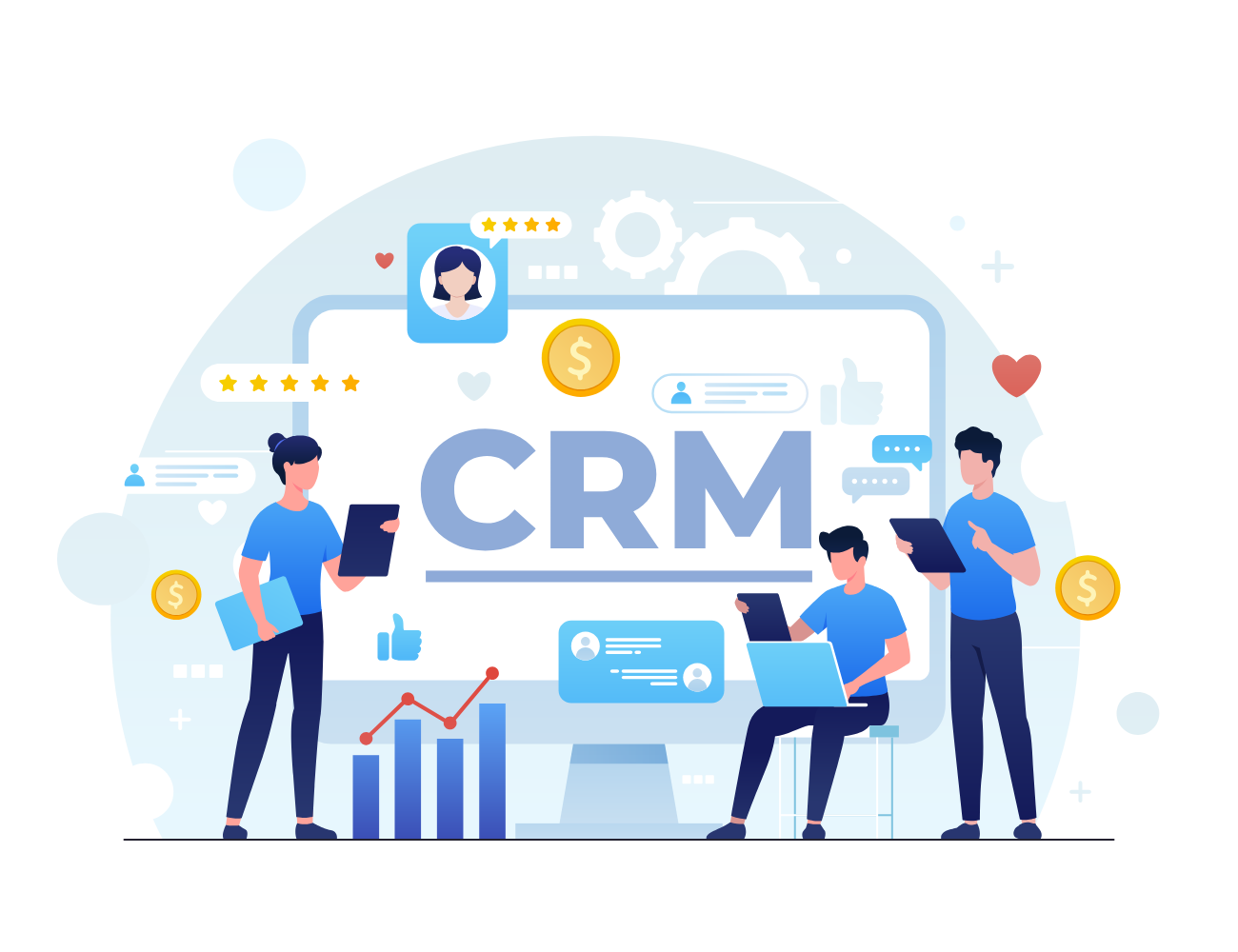
Credit: www.plumb5.com
Frequently Asked Questions
What Are The Top 5 Crm Systems?
The top 5 CRM systems are Salesforce, Zoho CRM, HubSpot CRM, Microsoft Dynamics 365, and Pipedrive. These offer robust features for sales, marketing, and customer management.
Do Schools Use Crms?
Yes, schools use CRMs to manage student inquiries, admissions, communications, alumni relations, and donor engagement effectively.
What Is The 1 Crm In The World?
Salesforce is the 1 CRM worldwide, known for its powerful features and scalability across industries. It leads in customer satisfaction and market share.
What Are The 4 Types Of Crm?
The four types of CRM are operational, analytical, collaborative, and strategic. Each focuses on different customer management aspects.
Conclusion
Choosing the right CRM helps private schools manage student and parent data easily. HubSpot offers a free, easy-to-use platform perfect for schools of all sizes. It keeps information organized and supports better communication with families and staff. Schools can save time and focus on what matters most—education. Explore how HubSpot fits your school’s needs by visiting HubSpot CRM. Simple tools make managing your school community smooth and effective.