Choosing the right CRM can make or break your business growth. You want a tool that fits your needs without overwhelming you or breaking the bank.
Pipedrive, HubSpot, and Salesforce are three of the top contenders—but which one matches your goals? Whether you’re aiming for simplicity, powerful customization, or all-in-one marketing and sales integration, understanding their core differences is key. Keep reading to discover how each platform works, what makes them unique, and which one could be the perfect fit for your business journey.
Your next CRM decision starts here.
Crm Market Landscape 2025
The CRM market in 2025 shows rapid growth and fierce competition. Businesses seek tools that improve customer relationships and boost sales efficiency.
Leading platforms like Pipedrive, Hubspot, and Salesforce battle to meet diverse business needs. Each offers unique features and caters to different user groups.
Current Trends
Automation and AI integration dominate CRM developments. Companies want smarter systems that reduce manual tasks and provide actionable insights.
Cloud-based CRM solutions grow popular for easy access and scalability. Mobile-friendly designs also attract users on the go.
Data privacy and security remain top priorities. CRM vendors continuously update their policies to comply with global regulations.
User Preferences
Small businesses prefer simple and affordable CRMs with quick setup. Pipedrive and Hubspot often fit this need.
Large enterprises choose robust platforms with deep customization. Salesforce leads due to its powerful and flexible features.
Users expect seamless integration with other software and clear pricing. Ease of use influences adoption and long-term satisfaction.
Industry Demands
Sales and marketing teams demand tools that align with their workflows. Integrated marketing and sales hubs gain importance.
Customer service industries seek CRM systems with strong support and ticket management features.
Regulated industries require strict compliance and audit trails. CRM vendors tailor solutions to meet these legal standards.

Credit: www.bonjoro.com
Pipedrive Features
Pipedrive offers a clear and practical set of features designed for sales teams. It centers on managing sales pipelines efficiently. The tools help users track deals and activities with ease. This focus supports salespeople in moving deals forward smoothly. Pipedrive keeps things simple without losing essential functions. It suits businesses that want straightforward CRM software.
Sales Pipeline Focus
Pipedrive’s main strength lies in its sales pipeline management. Users see every stage of their sales process visually. This helps in spotting bottlenecks and tracking progress. It allows sales teams to prioritize deals smartly. The pipeline view is interactive and easy to update. This feature keeps sales activities organized and transparent.
User Interface
The user interface of Pipedrive is clean and intuitive. It uses clear icons and simple layouts. Users can quickly find key information and tools. The design reduces clutter and focuses on sales tasks. It works well on both desktop and mobile devices. This makes using Pipedrive straightforward for beginners.
Customization Options
Pipedrive offers flexible customization for pipelines and fields. Users can create custom stages to match their sales process. It also supports custom fields to store unique data. Automation rules help reduce manual work. Integration with other apps adds more flexibility. These options let teams tailor Pipedrive to their needs.
Pricing Structure
Pipedrive uses a tiered pricing model with clear plans. Each plan adds more features and user seats. Pricing is affordable for small and medium businesses. There is a free trial available to test the software. This approach helps companies choose plans that fit their budget. No hidden fees make the cost structure transparent.
Hubspot Features
HubSpot offers a robust set of features designed to support sales, marketing, and customer service teams. It stands out for its simplicity and integration across different business functions. Many small to mid-sized businesses find HubSpot’s features easy to adopt and beneficial for growth. The platform combines CRM with marketing automation, making it a versatile choice for companies aiming to streamline their operations.
Ease Of Use
HubSpot’s interface is clean and intuitive. Users can navigate the dashboard without confusion. The design reduces the learning curve for new users. Many tasks require just a few clicks. This simplicity helps teams focus on selling and marketing rather than software training.
Integrated Marketing Tools
HubSpot includes email marketing, social media, and content management tools. These features work seamlessly within the CRM. Users can track campaigns and measure results easily. The platform supports lead nurturing and customer engagement. This integration saves time and improves marketing effectiveness.
Setup Speed
HubSpot offers quick setup with guided onboarding. Basic features can be used almost immediately. Pre-built templates and workflows speed up customization. Businesses can start managing contacts and campaigns fast. This allows teams to see value early in the process.
Pricing Transparency
HubSpot provides clear and upfront pricing information. Plans are tiered by features and user limits. There are free tools available for startups and small teams. Paid plans list exact costs without hidden fees. This transparency helps businesses plan budgets confidently.
Salesforce Features
Salesforce stands out as a powerful CRM platform with a broad range of features. It suits businesses that require advanced tools and flexibility. Its features support complex sales processes and large teams. Salesforce adapts to many industries with ease and depth.
The platform offers tools that enhance productivity and improve customer relationships. It helps teams automate tasks and scale operations smoothly. Understanding Salesforce’s key features shows why many companies choose it over competitors.
Customization Depth
Salesforce allows deep customization to fit unique business needs. Users can tailor dashboards, reports, and workflows without limits. Custom fields and objects help track specific data. This flexibility supports diverse industries and complex sales cycles. Customization ensures the CRM matches company processes exactly.
Automation Capabilities
Automation in Salesforce saves time and reduces errors. It supports automatic task assignments, follow-ups, and approvals. Workflows and process builders create rules that run without manual input. Automation boosts team efficiency and keeps deals moving faster. It also improves accuracy by standardizing routine actions.
Enterprise Scalability
Salesforce scales well for large organizations and growing teams. It handles millions of records and thousands of users smoothly. The platform supports multiple departments and business units at once. It offers advanced security and compliance features needed by enterprises. This scalability makes Salesforce a strong choice for big companies.
App Ecosystem
Salesforce’s AppExchange offers thousands of third-party apps and integrations. These apps add extra functions like marketing, analytics, and customer support. Users can connect Salesforce with popular tools they already use. The ecosystem helps businesses expand CRM capabilities easily. It keeps the platform fresh and adaptable over time.
Comparison Metrics
Choosing the right CRM depends on key comparison metrics. These metrics help you understand each platform’s strengths and limitations. Here, we examine complexity, customization, pricing, user experience, and integrations. This approach reveals which CRM fits your business needs best.
Complexity And Learning Curve
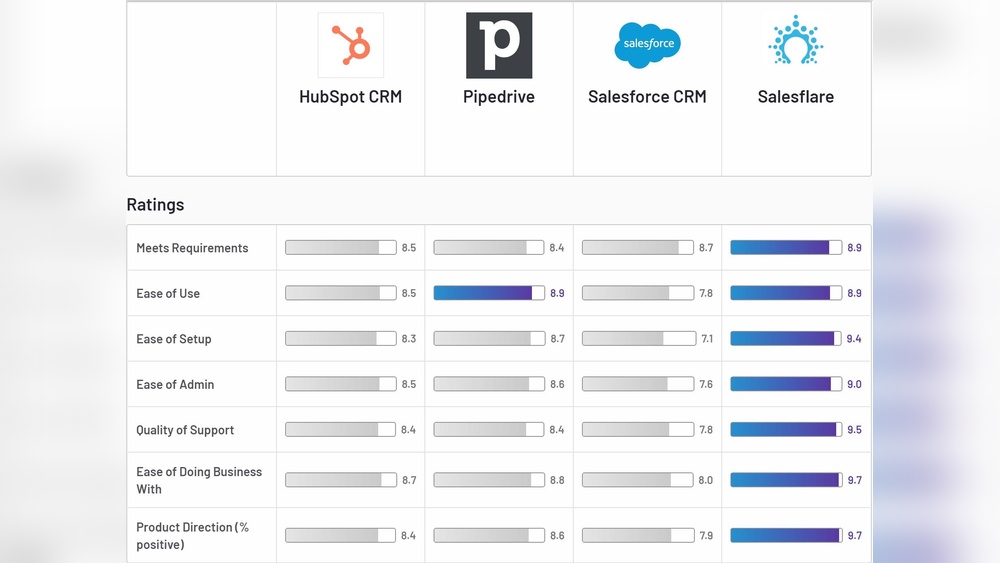
Pipedrive offers a simple interface with easy navigation. Users can start quickly without much training. HubSpot balances simplicity with some advanced features. It has a moderate learning curve suitable for small to mid-sized teams. Salesforce is powerful but complex. It requires time and effort to master, especially for large organizations.
Customization Flexibility
Salesforce leads in customization options. It supports complex workflows and detailed reports. HubSpot provides basic customization tools for pipelines and dashboards. Pipedrive focuses on straightforward customization for sales processes. It allows users to tailor stages and fields but with less depth.
Pricing Models
Pipedrive uses tiered pricing based on features and users. It offers affordable plans for small teams. HubSpot has a free tier with essential tools and scalable paid plans. Salesforce pricing is higher and varies by edition and add-ons. Its cost suits larger companies with bigger budgets.
User Experience
Pipedrive delivers a clean, intuitive design aimed at sales reps. HubSpot emphasizes ease of use with a polished interface and helpful guides. Salesforce provides a rich experience but can feel overwhelming. Its interface suits users needing advanced CRM capabilities.
Ecosystem And Integrations
Salesforce boasts a vast ecosystem with thousands of apps on its marketplace. HubSpot offers strong integration with marketing, sales, and service tools. Pipedrive supports popular apps but has fewer options overall. Each CRM connects well with common business software.

Credit: www.pipedrive.com
Best Use Cases
Choosing the right CRM depends on the size and needs of your business. Each platform—Pipedrive, Hubspot, and Salesforce—fits different scenarios. Understanding their best use cases helps in making the right decision. This section breaks down which CRM suits various business sizes and industries.
Small To Mid-sized Businesses
Pipedrive and Hubspot work well for small to mid-sized businesses. Pipedrive shines with its simple, sales-focused tools. It helps teams track deals and manage pipelines without complexity. Hubspot offers an easy setup with integrated marketing and sales features. It provides free tools that small businesses find useful. Both platforms allow quick adoption and fast results.
Mid-market Companies
Mid-market companies benefit from Hubspot and Salesforce. Hubspot supports growing teams with scalable marketing and sales hubs. It keeps processes smooth and user-friendly. Salesforce offers more customization and advanced automation for complex needs. It integrates well with other business systems. Mid-market firms can choose based on their need for simplicity or advanced features.
Large Enterprises
Salesforce is ideal for large enterprises. It handles complex workflows and extensive data with ease. Its customization options support multiple departments and global teams. Salesforce also offers strong security and compliance tools. Large companies use it to unify sales, service, and marketing across the organization. Hubspot and Pipedrive lack this level of enterprise depth.
Regulated Industries
Regulated industries need strict compliance and data security. Salesforce leads with built-in compliance features for healthcare, finance, and government sectors. It supports audit trails and data encryption. Hubspot and Pipedrive offer basic security but lack full regulatory certifications. Companies in regulated fields rely on Salesforce to meet industry standards and protect sensitive information.
Choosing The Right Crm
Choosing the right CRM is a key step for any business. The right tool helps manage customers, boost sales, and improve marketing efforts. Pipedrive, Hubspot, and Salesforce each offer unique features. Understanding their differences can guide your choice. Focus on your business goals and how each CRM fits them.
Factors To Consider
Start by listing what your business needs from a CRM. Consider ease of use, customization, and integration with other tools. Think about who will use it daily. A complex system may slow your team. A simple one may lack needed features. Evaluate support and training offered by each platform.
Business Size And Needs
Small businesses often benefit from Pipedrive or Hubspot. These are user-friendly and quick to set up. Larger companies may need Salesforce. It offers deep customization and handles complex workflows. Match the CRM to your team size and sales process. Avoid overpaying for features you won’t use.
Marketing And Sales Integration
Hubspot shines with built-in marketing tools. It combines email, social media, and sales tracking in one place. Pipedrive focuses mostly on sales pipelines. Salesforce supports advanced marketing automation but requires setup. Choose based on how closely you want marketing and sales to work together.
Budget Considerations
Costs vary widely among these CRMs. Pipedrive offers affordable plans for small teams. Hubspot has a free tier and reasonable prices for growing businesses. Salesforce tends to be the most expensive, with fees for add-ons and users. Consider total cost, including training and support. Pick a CRM that fits your budget now and later.

Credit: www.pipedrive.com
Frequently Asked Questions
What Is The 1 Crm In The World?
Salesforce is the 1 CRM worldwide, known for its deep customization, scalability, and powerful automation. It suits large enterprises with complex sales processes.
Why Is Salesforce Better Than Pipedrive?
Salesforce offers extensive customization, scalability, and advanced automation for complex enterprises. Pipedrive focuses on simple, user-friendly sales pipeline management. Salesforce supports large teams with deep data insights and integrations, making it better for businesses needing robust, customizable CRM solutions.
Which Crm Is Better, Salesforce Or Hubspot?
Salesforce suits large enterprises needing deep customization and scalability. HubSpot fits small to mid-sized businesses seeking ease of use and integrated marketing. Choose Salesforce for complex processes; pick HubSpot for simplicity, faster setup, and transparent pricing.
Why Are Companies Leaving Salesforce?
Companies leave Salesforce due to its high costs, complex setup, steep learning curve, and need for extensive customization. Many seek simpler, more affordable CRM alternatives with faster implementation and easier user experience.
Conclusion
Choosing the right CRM depends on your business needs and size. Pipedrive offers a simple, sales-focused solution. HubSpot suits small to mid-sized businesses seeking ease and marketing tools. Salesforce fits large enterprises needing deep customization and control. Each platform has unique strengths and challenges.
Consider factors like budget, features, and team skills before deciding. Testing demos can help find the best fit. A clear choice boosts sales efficiency and customer management. Take time to evaluate all options carefully.