
Are you struggling to keep your sales and operations teams aligned? Wondering if your CRM and ERP systems can work together seamlessly to boost your business efficiency?
The answer is yes—integrating your Customer Relationship Management (CRM) system with your Enterprise Resource Planning (ERP) software can transform how you manage customer data, streamline processes, and make smarter decisions. But how exactly can this integration benefit you, and what should you consider before making the move?
Keep reading to uncover the key insights that will help you unlock the full potential of your business by connecting these two powerful systems.
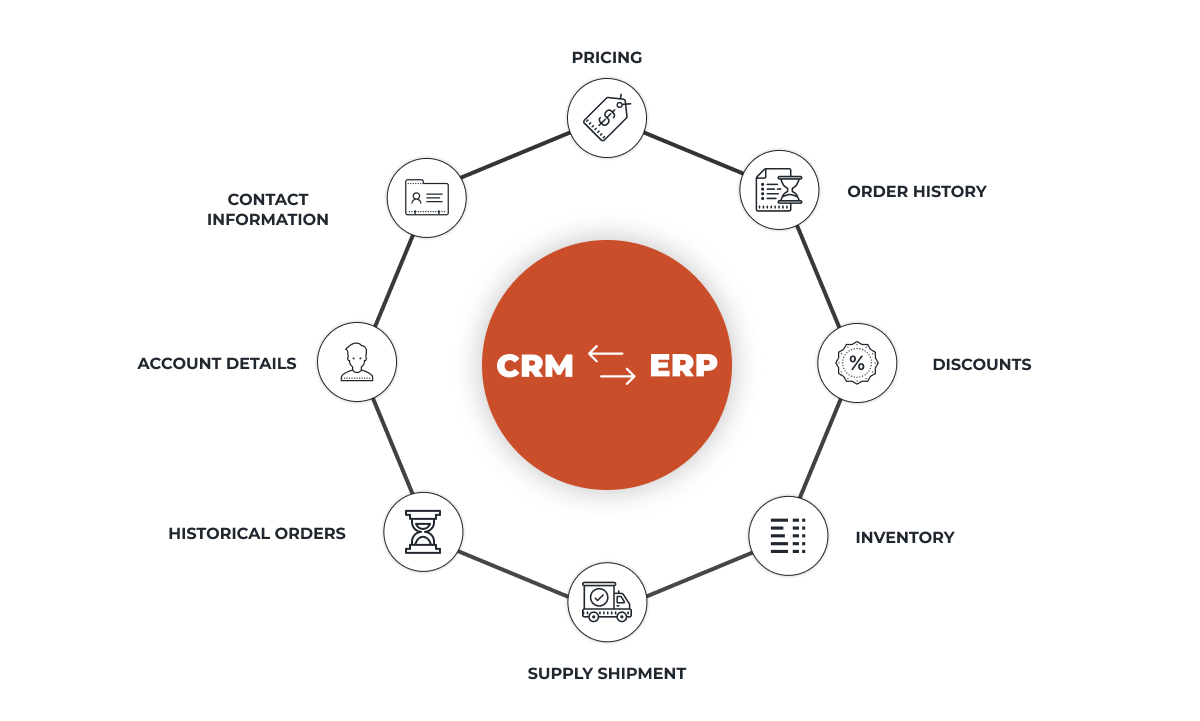
Credit: www.dckap.com
Crm And Erp Basics
Understanding the basics of CRM and ERP is key before discussing their integration. Both systems help businesses manage different parts of their operations. They improve efficiency, but serve unique purposes. Knowing their core functions clarifies how they can work together.
Core Functions Of Crm
CRM stands for Customer Relationship Management. It focuses on managing interactions with customers. It helps track sales leads, customer support, and marketing campaigns. CRM stores customer data like contact details and purchase history. It improves customer service and builds long-term relationships.
Core Functions Of Erp
ERP means Enterprise Resource Planning. It manages internal business processes. ERP covers finance, supply chain, human resources, and inventory. It integrates data from different departments into one system. ERP helps streamline operations and reduce costs.
Differences Between Crm And Erp
CRM targets front-office activities like sales and marketing. ERP handles back-office functions such as accounting and logistics. CRM focuses on customer interaction and satisfaction. ERP focuses on process efficiency and resource management. Both systems are important but serve different roles.
Reasons To Integrate Crm With Erp
Integrating CRM with ERP systems provides many benefits for businesses. It connects customer data with operational processes. This integration helps companies work more smoothly and make smarter decisions. Below are key reasons why businesses choose to combine these two systems.
Breaking Down Data Silos
Data silos block the flow of information between departments. Integrating CRM and ERP removes these barriers. Teams gain access to shared data in real time. This creates a single source of truth for the entire company. Employees spend less time searching for information. Communication improves, leading to faster responses and better service.
Enhancing Customer Insights
CRM stores customer interactions and preferences. ERP tracks orders, inventory, and billing details. Integration combines these data sets for a full customer view. Businesses understand customer needs and behaviors better. This insight helps tailor marketing and sales strategies. Customers receive more personalized service, improving satisfaction and loyalty.
Streamlining Operations
Separate CRM and ERP systems can cause duplicate work. Integration automates data sharing between sales, finance, and logistics. This reduces manual entry and errors. Orders move smoothly from sales to delivery and invoicing. Teams coordinate easily and avoid delays. Overall, business processes become faster and more efficient.
Common Integration Methods
Integrating CRM with ERP systems improves business efficiency by connecting sales, customer data, and operations. Common methods help businesses choose the right way to link these platforms. Each method has its strengths and fits different needs. Understanding these methods simplifies integration planning and execution.
Data Synchronization Techniques
Data synchronization keeps information consistent between CRM and ERP. It transfers updates in real time or at set intervals. This method ensures both systems share the latest customer, order, and inventory data. It reduces errors caused by manual entry and improves decision-making. Synchronization can be one-way or two-way, depending on business rules.
Middleware And Apis
Middleware acts as a bridge connecting CRM and ERP systems. It manages data flow and handles complex processes. APIs allow systems to communicate by exposing specific functions and data. Using middleware and APIs provides flexibility and scalability. This method supports custom workflows and smooth data exchange. It often requires technical expertise to implement and maintain.
Native Integration Options
Some CRM and ERP software offer built-in integration features. These native options simplify setup and reduce the need for coding. They provide seamless data sharing with fewer compatibility issues. Native integrations often come with pre-configured connectors for popular platforms. This method suits businesses wanting quick and reliable connections without complex customization.
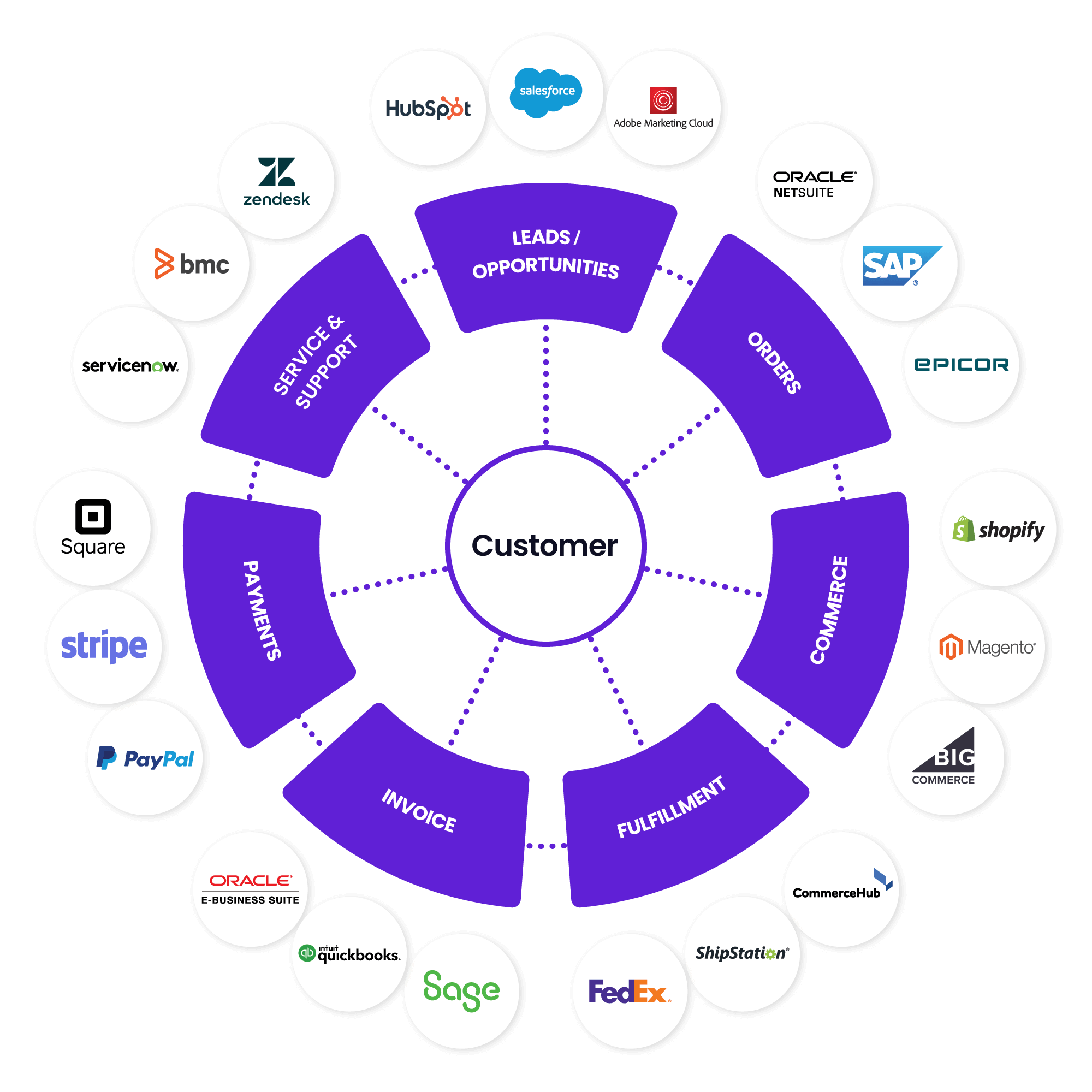
Credit: www.jitterbit.com
Key Integration Challenges
Integrating CRM with ERP systems can improve business efficiency significantly. Yet, this process comes with several challenges. Understanding these key integration challenges helps prepare better strategies. It also avoids common pitfalls that disrupt workflows and data management.
Data Consistency Issues
One major challenge is maintaining data consistency across both systems. CRM and ERP hold different types of data, but some overlap exists. Without proper synchronization, data may become outdated or conflicting. This leads to errors in customer information, orders, and inventory. Ensuring real-time updates and accurate data mapping is critical. Consistent data helps teams trust the system and make informed decisions.
System Compatibility
CRM and ERP systems often come from different vendors with unique architectures. These differences can cause compatibility problems during integration. APIs, data formats, and communication protocols may not match perfectly. Custom development or middleware might be necessary to bridge gaps. Selecting compatible systems or platforms with built-in connectors simplifies the process. Compatibility ensures smooth data flow and reduces integration costs.
Security Considerations
Integrating two complex systems increases security risks. Sensitive data moves between CRM and ERP, requiring strong protection. Both systems must follow strict access controls and encryption standards. Data breaches or unauthorized access can cause severe damage to the business. Regular security audits and compliance checks are essential. Secure integration builds customer trust and safeguards company information.
Best Practices For Integration
Integrating a CRM with an ERP system improves business processes and data flow. Best practices help make this integration smooth and effective. Clear planning, the right tools, and user acceptance play key roles. Following these steps leads to better results and fewer problems.
Planning And Strategy
Start by defining your business goals for integration. Identify the data to share between CRM and ERP. Map out workflows to avoid duplication and errors. Set timelines and assign responsibilities clearly. Test the plan with small data sets first. Adjust as needed before full implementation. Planning reduces risks and saves time later.
Choosing The Right Tools
Select integration tools that fit your systems and budget. Look for tools that support your CRM and ERP platforms. Consider ease of use and technical support availability. Choose solutions with good data security features. Cloud-based tools offer flexibility and scalability. Check reviews and ask for demos before deciding. The right tools make integration faster and more reliable.
Ensuring User Adoption
Train your team on how the integrated system works. Explain benefits clearly to encourage acceptance. Provide simple guides and ongoing support. Listen to user feedback and fix issues quickly. Involve users early in the process to reduce resistance. Good adoption ensures data accuracy and workflow efficiency. Without user buy-in, integration efforts can fail.

Credit: www.signitysolutions.com
Use Cases Of Crm-erp Integration
Integrating CRM with ERP systems connects customer data with business operations. This integration streamlines workflows and improves data accuracy across departments. It supports various use cases that enhance business efficiency and customer satisfaction.
Sales And Finance Alignment
CRM and ERP integration links sales data with financial records. Sales teams access real-time inventory and pricing from the ERP system. Finance teams receive accurate sales forecasts and revenue reports. This alignment reduces errors in billing and order processing. It helps teams work together smoothly and close deals faster.
Customer Service Improvements
Customer service teams get complete customer profiles by combining CRM and ERP data. They can view order history, payment status, and support tickets in one place. This access speeds up issue resolution and improves communication. Customers receive faster responses and better support experience.
E-commerce And Inventory Management
E-commerce platforms benefit from synced CRM and ERP systems. Inventory levels update automatically as orders are placed. Customer data helps personalize marketing and promotions. ERP manages stock availability and shipment tracking. This integration prevents stockouts and ensures timely delivery.
Future Trends In Integration
The future of CRM and ERP integration promises smarter, faster, and more flexible systems. Businesses will benefit from seamless connections that improve workflows and decision-making. Trends focus on new technologies that enhance how data moves and how insights are generated. These trends aim to make integration more adaptive and valuable for all users.
Ai-driven Data Integration
Artificial intelligence will play a bigger role in linking CRM and ERP data. AI can clean and match data automatically, reducing errors. It helps identify patterns and suggest actions based on real-time information. This makes integration more precise and less time-consuming. AI also supports predictive analytics, helping businesses foresee customer needs and inventory demands.
Cloud-based Solutions
Cloud technology will dominate CRM and ERP integration. It allows easy access to systems from anywhere and on any device. Cloud-based solutions offer scalable options for growing businesses. Updates and maintenance happen automatically, lowering IT costs. Cloud platforms also improve collaboration across departments by sharing unified data.
Real-time Analytics
Real-time analytics will become a core feature of integrated CRM and ERP systems. Instant data processing helps companies react quickly to changes in customer behavior and market conditions. Real-time insights support better sales strategies and resource management. This leads to faster decisions and improved customer satisfaction. Businesses will gain a competitive edge by acting on fresh data every moment.
Frequently Asked Questions
Can Your Erp Be Integrated With Your Crm?
Yes, our ERP can seamlessly integrate with your CRM to synchronize data and improve business efficiency. Integration enhances sales, marketing, and customer service by ensuring consistent, accurate information across teams and departments.
Does An Erp Include A Crm?
Some ERP systems include CRM features, but not all. CRM software usually does not have ERP functions.
Can Erp Replace Crm?
ERP cannot fully replace CRM because ERP focuses on back-office operations, while CRM manages customer interactions and sales processes. Both systems serve distinct purposes but can integrate to improve overall business efficiency.
Does Sap Erp Include Crm?
SAP ERP includes CRM functionalities within its suite, offering integrated tools for sales, marketing, and customer service management.
Conclusion
Integrating CRM with ERP brings many benefits to businesses. It creates a single source of truth for customer and operational data. Teams can work better with real-time information at their fingertips. This integration helps reduce errors and saves time by automating tasks.
It supports smarter decisions with clear insights from both systems. Small or large companies can gain efficiency and improve customer experiences. Choosing the right tools and planning carefully makes integration smoother. Overall, combining CRM and ERP improves how businesses operate and serve customers.