Are you tired of juggling customer info across endless spreadsheets? Your business deserves a smarter way to manage relationships, boost sales, and keep customers happy—all in one place.
That’s where HubSpot CRM comes in. With its user-friendly design and powerful features, HubSpot helps you organize your contacts, automate tedious tasks, and gain clear insights without any hassle. Best of all, it’s 100% free with no expiration, so you can start growing your business right away. Ready to discover how HubSpot CRM features can transform your workflow and save you time? Dive into this guide and see why so many startups and small businesses trust HubSpot as their go-to CRM solution. Check it out here: HubSpot CRM Features
Credit: www.protocol80.com
Introduction To Hubspot Crm And Its Purpose
HubSpot CRM is designed to help startups and small businesses manage customer relationships easily. It stores all customer data on one platform. This makes tracking and understanding interactions simple. The CRM is free to use, with no expiration or trial limits. It aims to streamline sales, marketing, and customer service efforts in one place.
Overview Of Hubspot Crm As A Business Growth Tool
HubSpot CRM helps businesses grow by organizing customer information effectively. It provides tools to track leads, deals, and communications. Key features include:
- Contact management: Store and manage detailed customer profiles.
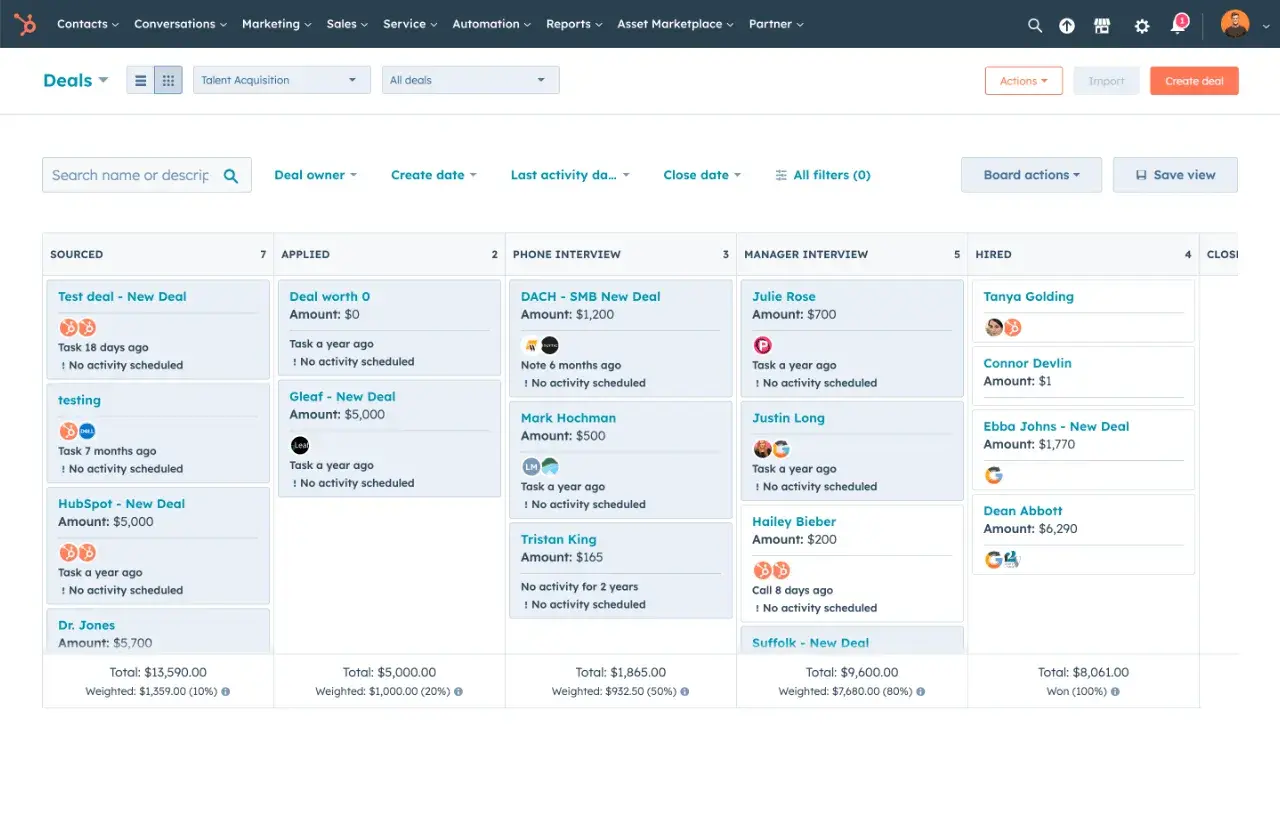
- Deal tracking: Monitor sales pipelines and stages.
- Task automation: Set reminders and follow-ups automatically.
- Reporting: Get insights through easy-to-read dashboards.
This CRM supports business growth by improving customer relationships and sales efficiency.
How Hubspot Crm Simplifies Customer Relationship Management
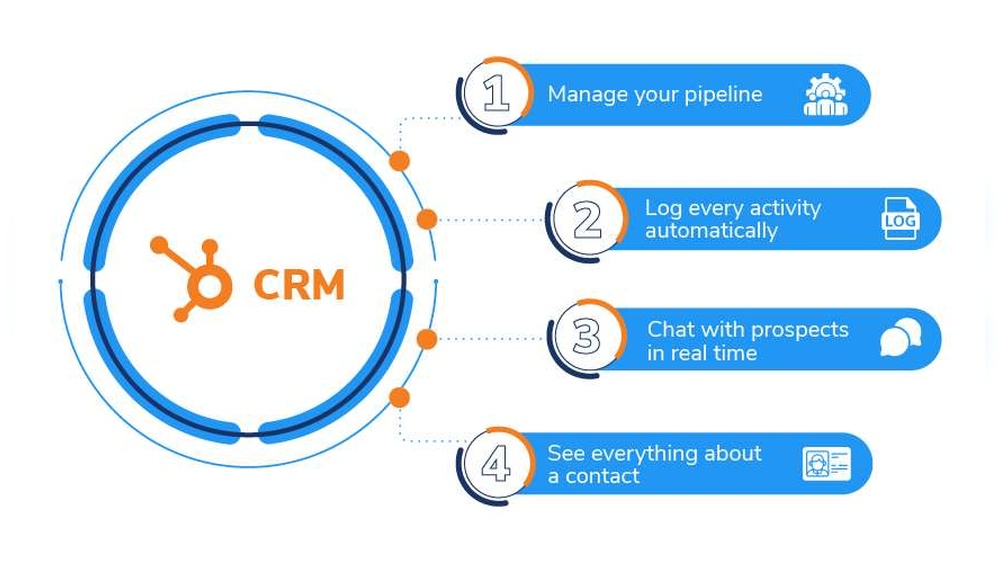
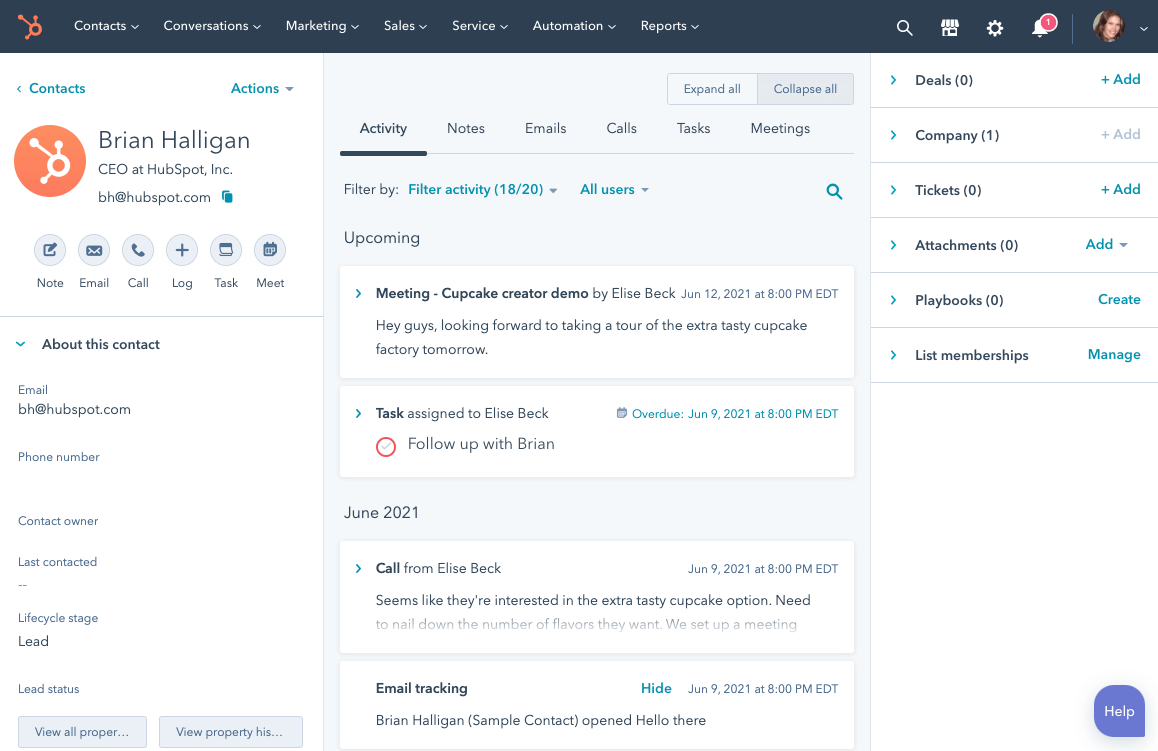
HubSpot CRM simplifies handling customer data by unifying it on one platform. Users can access all contacts, emails, and interactions in one place. The system automates routine tasks such as logging calls and sending follow-up emails.
Benefits include:
- Easy data entry and update.
- Automated workflows reduce manual work.
- Clear visibility of customer interactions.
- User-friendly interface for quick adoption.
This simplicity helps teams focus on building better relationships instead of managing data.
The Role Of Hubspot Crm In Integrating Sales, Marketing, And Service
HubSpot CRM connects sales, marketing, and service teams through a single platform. This integration ensures consistent customer communication and experience.
| Department | Role of HubSpot CRM |
|---|---|
| Sales | Track deals, manage pipelines, and automate follow-ups. |
| Marketing | Create campaigns, track leads, and analyze results. |
| Customer Service | Log tickets, provide support, and monitor customer satisfaction. |
By linking these areas, HubSpot CRM helps deliver a smooth and unified customer experience.
Credit: makewebbetter.com
Key Features Of Hubspot Crm That Drive Business Growth
HubSpot CRM offers a powerful set of features tailored for startups and small businesses. It centralizes customer data, automates sales tasks, and connects marketing efforts with sales. These features help companies grow by improving efficiency and customer relationships.
Contact And Lead Management: Streamlining Customer Data
HubSpot CRM stores all customer information in one place. It organizes contacts and leads for easy access and management. This reduces errors and helps sales teams focus on building relationships.
- Unified contact database
- Automatic lead capture and tracking
- Easy segmentation for targeted outreach
Sales Automation: Enhancing Efficiency And Closing Deals Faster
Automation features reduce manual tasks, saving time for sales reps. HubSpot automates follow-ups, lead nurturing, and deal tracking. This speeds up sales cycles and increases the chance to close deals.
- Automated email sequences
- Task reminders and notifications
- Pipeline management and deal tracking
Marketing Integration: Aligning Campaigns With Sales Efforts
HubSpot connects marketing campaigns directly to sales activities. This alignment ensures both teams work toward common goals. Marketing data flows seamlessly into the CRM for better lead qualification.
- Email marketing and social media tools
- Lead scoring and behavior tracking
- Campaign performance analytics
Customer Service Tools: Delivering Exceptional Support
Customer support teams use HubSpot to handle inquiries quickly. The CRM tracks tickets and customer history, enabling personalized service. Fast responses boost customer satisfaction and loyalty.
- Ticketing system for issue management
- Knowledge base and self-service options
- Customer feedback collection
Customizable Dashboards And Reporting: Gaining Actionable Insights
HubSpot CRM offers dashboards that display key metrics clearly. Users customize reports to track performance and spot trends. These insights help businesses make informed decisions.
| Feature | Benefit |
|---|---|
| Custom Reports | Focus on relevant sales and marketing data |
| Real-Time Dashboards | Monitor progress and adjust strategies quickly |
| Data Export | Easy sharing and further analysis |
Ai-powered Features: Leveraging Predictive Analytics And Automation
HubSpot uses AI to predict customer behavior and automate workflows. This reduces guesswork and improves targeting. AI tools help prioritize leads and optimize communication timing.
- Lead scoring with predictive analytics
- Automated task assignments
- Smart email content suggestions
Live Chat And Communication Tools: Engaging Visitors In Real-time
HubSpot CRM includes live chat to connect with website visitors instantly. Chatbots answer common questions and route leads to sales reps. Real-time communication increases engagement and conversion.
- Customizable chat widgets
- Automated chatbot responses
- Direct messaging to sales or support teams
Mobile Access: Managing Crm On-the-go
The mobile app lets users access CRM data anytime, anywhere. Sales and support teams update records and respond to customers from their phones. This keeps business moving smoothly outside the office.
- Full contact and deal management
- Push notifications for important updates
- Easy task creation and follow-ups
Pricing And Affordability Breakdown
HubSpot CRM offers pricing options that cater to startups and small businesses. The platform provides a free CRM version with essential tools and several paid plans with advanced features. This section explores how HubSpot’s pricing aligns with business needs and budgets.
Free Crm Features And Their Value To Small Businesses
HubSpot’s free CRM includes key features that help small businesses manage customer data efficiently.
- Contact management: Store unlimited contacts with detailed profiles.
- Deal tracking: Visual pipelines to track sales progress.
- Email integration: Connect email for easy communication.
- Task management: Organize follow-ups and reminders.
- Basic reporting: Analyze sales activity and performance.
This free version has no expiration date and supports unlimited users, making it ideal for startups and small businesses with tight budgets. It replaces spreadsheets by unifying customer data on one platform.
Overview Of Paid Plans And Additional Functionalities
HubSpot offers paid plans with enhanced features for growing businesses.
| Plan | Starting Price (per month) | Key Features |
|---|---|---|
| Starter | $45 |
|
| Professional | $450 |
|
| Enterprise | $1,200 |
|
Paid plans provide tools for sales, marketing, and service teams to work together more efficiently.
Cost-benefit Analysis For Different Business Sizes And Needs
Choosing the right HubSpot plan depends on company size and goals.
- Startups and very small businesses: The free CRM offers enough tools for basic sales and customer tracking.
- Small to medium businesses: The Starter plan adds automation and lead management for faster growth.
- Growing companies: Professional plan suits businesses needing detailed reports and complex workflows.
- Large businesses: Enterprise plan fits those requiring custom security and advanced analytics.
HubSpot CRM pricing balances cost with features to match different budgets and needs.
Pros And Cons Of Hubspot Crm Based On Real-world Usage
HubSpot CRM is popular among startups and small businesses for managing customer relationships. Users appreciate its blend of simplicity and powerful tools. Real-world experiences reveal clear strengths and some challenges. Understanding these helps decide if HubSpot fits your business needs.
Advantages: User-friendly Interface, Robust Integrations, And Scalability
User-Friendly Interface: HubSpot CRM offers a clean, easy-to-navigate design. The dashboard is intuitive, allowing quick access to contacts, deals, and tasks. New users can start without complex training.
Robust Integrations: It connects seamlessly with popular tools like Gmail, Outlook, and marketing apps. These integrations unify sales, marketing, and service functions, improving workflow efficiency.
Scalability: HubSpot grows with your business. The free plan supports basic needs, while paid tiers add advanced features. This flexibility suits startups planning to expand over time.
Challenges: Pricing For Advanced Features And Learning Curve
Pricing for Advanced Features: The base CRM is free with no expiration. Advanced tools for automation, reporting, and customization require paid plans. These costs can add up for small businesses on tight budgets.
Learning Curve: Basic use is simple, but mastering all features takes time. Some users find setting up workflows and reports challenging initially. Support resources help but require patience.
User Feedback And Common Use Case Experiences
| Feature | User Feedback | Common Use Cases |
|---|---|---|
| Contact Management | Easy to organize and track customer data | Managing leads, storing customer info |
| Sales Automation | Saves time but requires setup effort | Automating follow-up emails, deal pipelines |
| Reporting & Analytics | Valuable insights, sometimes complex to customize | Tracking sales performance, forecasting |
| Integrations | Boosts productivity by linking apps | Syncing emails, marketing campaigns |
Users report that HubSpot CRM fits well for small teams needing a unified system. It helps replace spreadsheets with organized, accessible data. Some users highlight the benefit of AI features for smarter insights.
Ideal Users And Scenarios For Hubspot Crm
HubSpot CRM fits a wide range of users and business needs. It combines sales, marketing, and customer service tools in one platform. This makes it a smart choice for businesses aiming to organize customer data and improve workflows. The CRM’s free and scalable nature suits various team sizes and industries.
Small To Medium-sized Businesses Seeking Integrated Solutions
Small and medium-sized businesses (SMBs) benefit from HubSpot CRM’s all-in-one approach. It unifies customer data, marketing, and sales activities in a single system. This integration reduces the need for multiple apps and complex setups.
- Contact management: Easily store and track customer information.
- Sales pipeline: Visualize deals and progress clearly.
- Marketing tools: Automate emails and manage campaigns.
This helps SMBs save time and focus on growth. HubSpot’s intuitive interface suits users with limited tech skills.
Sales And Marketing Teams Needing Automation And Analytics
Sales and marketing teams gain from HubSpot’s automation and reporting features. Automated workflows reduce repetitive tasks, boosting efficiency.
- Lead nurturing: Automated emails keep prospects engaged.
- Task automation: Set reminders and follow-ups automatically.
- Analytics dashboards: Track team performance and campaign ROI.
Data-driven insights help teams adjust strategies quickly. The CRM supports a smooth handoff between sales and marketing.
Customer Service Departments Focused On Improving Support
Customer service teams improve response times and support quality with HubSpot CRM. It offers tools to manage tickets and customer interactions efficiently.
| Feature | Benefit |
|---|---|
| Ticketing system | Organizes customer issues for fast resolution |
| Live chat and bots | Provides instant support and gathers customer info |
| Knowledge base | Helps customers self-serve answers |
Teams handle support cases faster and keep customers happy with better tracking.
Startups Looking For A Scalable And Cost-effective Crm
Startups gain from HubSpot CRM’s free plan and easy upgrade options. It grows with the business, avoiding costly software changes.
- No expiration: Free CRM with no time limits.
- Scalable features: Add tools as needs increase.
- User-friendly: Minimal training required for quick adoption.
This makes HubSpot CRM ideal for new businesses wanting to manage customers without high costs.
Credit: blog.hubspot.com
Frequently Asked Questions
What Are The Features Of Hubspot Crm?
HubSpot CRM features include contact management, sales automation, marketing integration, customer service tools, customizable dashboards, and detailed analytics. It offers a user-friendly interface, live chat, email tracking, deal pipelines, and mobile access to streamline business processes effectively.
What Are The Major Features Of Crm?
Major CRM features include contact management, sales and marketing automation, customer service support, analytics, mobile access, and customizable dashboards. Modern CRMs also offer AI-powered tools like predictive analytics, automated workflows, and intelligent content generation to enhance business efficiency and customer engagement.
What Are The Features Of Hubspot Cms?
HubSpot CMS features include a drag-and-drop editor, theme library, built-in forms, live chat, SEO tools, and website analytics. It offers premium cloud hosting and easy content management.
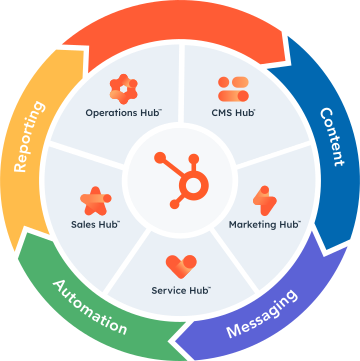
What Are The 5 Hubs Of Hubspot?
The five HubSpot hubs are Marketing, Sales, Service, CMS, and Operations. Each hub supports specific business functions.
Conclusion
HubSpot CRM offers simple tools to manage your contacts and sales. It helps small businesses track customers and improve communication. You can automate tasks and see clear reports easily. The free version never expires, making it a smart choice. Explore all features and benefits at HubSpot to see how it fits your business needs. Start organizing your data better today.