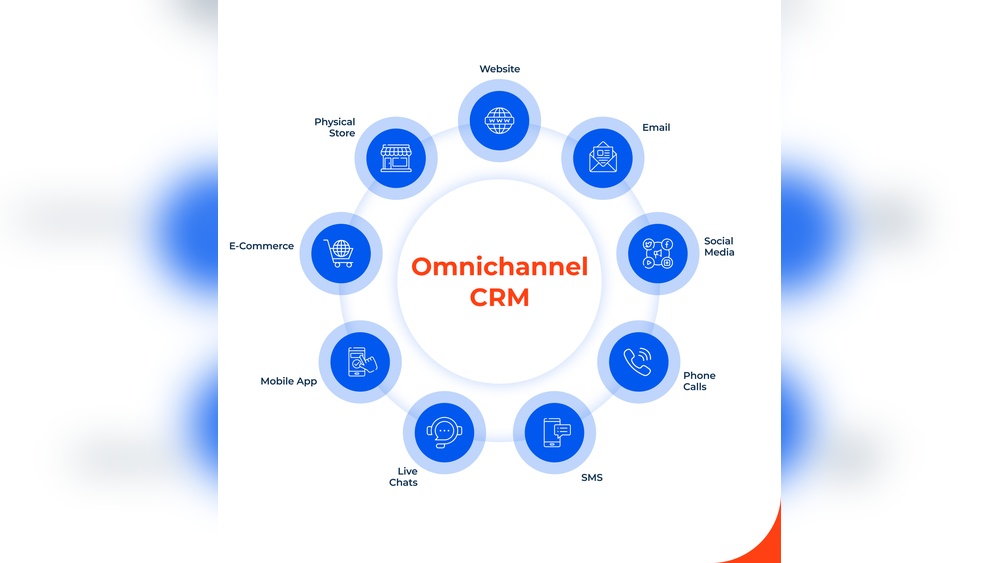
Are you wondering if you can connect your omnichannel marketing platforms with your CRM tools? The answer is yes—and doing so could transform how you understand and engage with your customers.
Imagine having all your customer data, messages, and interactions unified in one place, making your marketing smarter and your customer relationships stronger. You’ll discover how integrating these systems can simplify your workflow, personalize your communication, and boost your business growth.
Ready to unlock the full potential of your marketing and CRM tools? Keep reading to learn exactly how to make it happen.
Omnichannel Marketing Platforms
Omnichannel marketing platforms help businesses connect with customers across many channels. They combine data from email, social media, websites, and more. This creates a smooth and consistent customer experience. Customers can switch between devices and channels without losing context.
These platforms make it easier to manage campaigns and track customer journeys. They provide a unified view of customer interactions. This helps teams deliver personalized messages and improve engagement.
Key Features
Omnichannel marketing platforms offer several important features. They collect data from various channels like email, chat, social media, and SMS. This data is stored in one place for easy access.
Automation tools allow businesses to send targeted messages at the right time. Analytics tools track campaign performance and customer behavior. Integration options enable connection with other software like CRM tools.
These platforms also support customer segmentation. Businesses can create specific groups based on behavior or preferences. This improves message relevance and response rates.
Benefits For Businesses
Using omnichannel marketing platforms boosts customer engagement and loyalty. Customers receive consistent messages across channels. This builds trust and increases satisfaction.
Businesses gain a complete understanding of customer journeys. They can identify pain points and optimize marketing efforts. Campaigns become more efficient, saving time and money.
Integration with CRM tools enhances data accuracy and workflow. Teams collaborate better by sharing unified customer information. Overall, businesses improve customer relationships and drive growth.
Crm Tools Explained
CRM tools help businesses manage their customer relationships effectively. They store customer data, track interactions, and streamline sales and marketing processes. These tools improve communication and customer service. Understanding CRM tools is essential for integrating them with omnichannel marketing platforms.
Core Functions
CRM tools organize customer information in one place. They track leads, sales, and customer support activities. These tools automate routine tasks like sending emails or scheduling follow-ups. They also provide insights through reports and analytics. This helps businesses make informed decisions and improve customer engagement.
Types Of Crm Systems
There are three main types of CRM systems. Operational CRM focuses on automating sales, marketing, and service processes. Analytical CRM analyzes customer data to improve strategies and customer experience. Collaborative CRM enables better communication between different teams and departments. Choosing the right type depends on business needs and goals.
Integration Possibilities
Integrating omnichannel marketing platforms with CRM tools opens many possibilities for businesses. This integration helps unify customer data from various channels in one place. It allows companies to offer consistent experiences and personalized communication. Understanding how integration works and the common methods used can guide businesses in choosing the right approach.
How Integration Works
Integration connects marketing platforms with CRM systems. It allows data to flow smoothly between both tools. Customer interactions from emails, social media, and websites get recorded in the CRM. This gives a complete view of the customer journey. The CRM then uses this data to tailor marketing messages and improve service. Integration also reduces manual data entry and errors. It creates a real-time link for better decision-making.
Popular Integration Methods
There are several popular ways to integrate omnichannel platforms with CRM tools. One common method is using APIs, which let systems communicate directly. Another method involves middleware, software that acts as a bridge between platforms. Some businesses use pre-built connectors offered by CRM or marketing vendors. These connectors simplify the setup and reduce costs. Custom integration is also possible for unique business needs. Choosing the right method depends on budget, technical skills, and business goals.

Credit: customer.io
Advantages Of Integration
Integrating omnichannel marketing platforms with CRM tools offers multiple benefits for businesses. It creates a unified system that combines customer data and marketing efforts. This connection helps companies understand their customers better and improve communication. The integration supports more effective marketing campaigns and smoother internal processes.
Enhanced Customer Insights
Integration brings all customer information into one place. It shows detailed views of customer behavior across channels. Businesses can track purchases, preferences, and interactions easily. This insight helps tailor services to meet customer needs. It also reveals trends that guide marketing strategies.
Improved Campaign Targeting
With combined data, marketers can create focused campaigns. They can send the right message to the right audience. This precision reduces wasted efforts and costs. Targeted campaigns increase engagement and boost conversion rates. Customers receive offers that feel personal and relevant.
Streamlined Workflows
Integration automates data sharing between systems. Teams save time by avoiding manual data entry. Marketing and sales departments work together more smoothly. Tasks like lead tracking and follow-ups become faster. This efficiency helps companies respond quickly to customer needs.
Challenges To Consider
Integrating omnichannel marketing platforms with CRM tools offers many benefits. Yet, it also presents several challenges. These challenges can affect the success of your integration project. Understanding them helps you prepare and manage expectations.
Some issues arise from data handling. Others come from the technical side. Costs also play a major role. Below are key challenges to consider carefully.
Data Synchronization Issues
Data synchronization is crucial for smooth integration. Omnichannel platforms and CRM tools store large amounts of customer data. Keeping this data consistent across systems is difficult. Mismatched or outdated data can cause errors.
Synchronization problems may lead to incomplete customer profiles. This reduces the value of your marketing and sales efforts. Frequent syncing can slow down system performance. Solutions require careful planning and testing.
Technical Complexity
Connecting multiple channels with CRM tools involves complex technical work. Different platforms use varying formats and protocols. This makes integration harder to manage. Custom coding or middleware may be necessary.
Teams need technical skills to implement and maintain integration. Lack of expertise can delay projects and increase errors. Testing and troubleshooting require time and resources. Complexity grows with the number of channels involved.
Cost Implications
Integrating omnichannel and CRM systems can be costly. Software licenses, development, and maintenance add up quickly. Unexpected expenses may arise during the integration process.
Small businesses may find these costs a barrier. Budgeting for ongoing support is essential. Skimping on costs can lead to poor integration results. Proper investment improves system reliability and customer experience.
Credit: www.pushwoosh.com
Best Practices For Integration
Integrating omnichannel marketing platforms with CRM tools needs careful planning. Best practices help create smooth connections. These improve customer interactions and data flow. Follow simple steps to make integration efficient and safe.
Choosing Compatible Platforms
Select platforms that easily connect with each other. Check if they support standard APIs and data formats. Choose tools that share similar goals and features. Compatibility reduces errors and saves time. Confirm the platforms can handle your business size and needs.
Data Management Strategies
Organize data before integration to avoid confusion. Clean and update customer information regularly. Use consistent data formats across systems. Plan how data will flow between platforms. Set clear rules for data ownership and access rights. Proper data handling boosts accuracy and customer insights.
Ensuring Security And Compliance
Protect customer data during and after integration. Use encryption to secure data transfer and storage. Follow legal rules like GDPR or CCPA for privacy. Limit access to sensitive information to trusted users. Regularly audit systems for vulnerabilities. Strong security builds customer trust and avoids penalties.
Tools And Platforms
Integrating omnichannel marketing platforms with CRM tools helps businesses manage customer interactions better. These integrations combine marketing efforts and customer data in one place. This makes communication smoother and more personalized across channels.
Choosing the right tools and platforms is key. The market offers many solutions designed to work well together. Here is a look at top options for marketers and sales teams.
Top Omnichannel Marketing Solutions
Several omnichannel platforms stand out for their features and ease of integration. Platforms like HubSpot, Zendesk, and Mailchimp support multiple channels such as email, social media, and chat. They allow marketers to track customer journeys across devices.
These tools often include automation features. Automation helps deliver timely messages based on customer behavior. They also provide analytics to measure campaign success and customer engagement.
Leading Crm Systems With Integration Capabilities
Popular CRM systems like Salesforce, Microsoft Dynamics 365, and Zoho CRM offer strong integration options. These CRMs collect and organize customer data from various sources. This helps teams get a complete view of each customer.
Most leading CRMs support direct connections to omnichannel platforms through built-in connectors or APIs. This enables seamless data flow and real-time updates. It improves sales tracking and customer service efficiency.
Case Studies
Exploring real-world examples helps understand the integration of omnichannel marketing platforms with CRM tools. Case studies reveal how businesses connect these systems to improve customer interactions and boost efficiency.
These stories show practical results and challenges faced during integration. They highlight what works and what requires careful planning.
Successful Integrations
One retail company combined its CRM with an omnichannel platform to unify customer data. This integration allowed sales and support teams to access complete customer histories instantly. As a result, customer response times dropped by 30%, and satisfaction scores increased.
A service provider integrated chat, email, and social media channels into their CRM. This helped deliver consistent messages across platforms and track all interactions in one place. The company saw a 25% rise in repeat customers within six months.
Lessons Learned
Many businesses found that syncing data across platforms was more complex than expected. Data quality issues caused delays and confusion. Cleaning and standardizing data before integration proved essential.
Another lesson involved training staff on the new system. Without proper guidance, teams struggled to use integrated tools effectively. Continuous support and simple user interfaces helped overcome this hurdle.
Future Trends
The future of integrating omnichannel marketing platforms with CRM tools is full of exciting developments. Businesses will gain smarter ways to connect with customers. Technology will help create smoother, more personal experiences. Understanding these trends can prepare companies to stay competitive and meet customer needs effectively.
Ai And Automation Impact
Artificial intelligence will play a big role in integration. AI can analyze customer data quickly and suggest the best marketing actions. Automation will help send timely messages across channels without manual work. This saves time and reduces errors. AI-driven insights will guide marketing strategies based on real customer behavior.
Automation tools will also help manage repetitive tasks. This allows marketers to focus on creative campaigns. Predictive analytics will improve targeting and increase sales. The blend of AI and automation will make omnichannel CRM systems smarter and more efficient.
Evolving Customer Expectations
Customers expect consistent experiences across all channels. They want quick responses and personalized offers. Integration of omnichannel platforms with CRM tools will meet these rising demands. Real-time data sharing will help brands understand customers better.
Customers will value convenience and relevance more than ever. They prefer brands that remember their preferences and past interactions. Businesses will need to adapt fast to keep customers satisfied. Omnichannel CRM integration will be key to delivering seamless, unified experiences.

Credit: www.creatio.com
Frequently Asked Questions
Is Omnichannel A Crm Tool?
Omnichannel is not a CRM tool itself but a strategy integrating multiple channels. Omnichannel CRM combines customer data across channels into one platform for better engagement.
What Are The 4 C’s Of Omnichannel?
The 4 C’s of omnichannel are Customer Experience, Context, Content, and Collaboration. These ensure seamless, personalized engagement across channels.
How Can Crm Help In Delivering Omnichannel Experiences?
CRM centralizes customer data from all channels, enabling personalized, consistent interactions that enhance engagement and loyalty across platforms.
What Is Crm Integration In Marketing?
CRM integration in marketing connects CRM software with other tools to sync customer data automatically. It improves targeting and streamlines campaigns.
Conclusion
Integrating omnichannel marketing platforms with CRM tools improves customer communication. It creates a single view of customer data across channels. This helps deliver more personalized and timely messages. Businesses can respond faster to customer needs and preferences. Combining these systems supports better decision-making and sales tracking.
The integration process may require planning but offers clear benefits. Using both together strengthens customer relationships and boosts engagement. It makes marketing efforts more efficient and effective overall.