Choosing the right platform to grow your business can feel overwhelming. You want a tool that not only helps you sell more but also makes your daily tasks easier.
That’s where the battle of Keap vs WooCommerce comes in. If you’re looking to put your business growth on autopilot, Keap offers powerful marketing and sales automation features designed to help you follow up faster and close deals more efficiently. On the other hand, WooCommerce is a popular choice for building customizable online stores, giving you full control over your eCommerce site. But which one fits your unique needs? Whether you want an all-in-one system that handles CRM, payments, and scheduling or prefer a flexible platform that grows with your store, this comparison will help you decide. Dive in to discover which tool aligns best with your business goals—and if Keap sounds like the right fit, check it out here: Keap. Don’t miss out on the chance to boost your sales and streamline your workflow!
Introduction To Keap And Woocommerce
Keap and WooCommerce serve different but vital roles in business growth. Both tools help businesses manage online sales and customer relationships.
This section explains their core purposes, who uses them, and why comparing them matters for business success.
Overview Of Keap: Purpose And Target Audience
Keap is a sales and marketing automation software. It helps businesses automate tasks like follow-ups, payments, and scheduling.
Key features include:
- Customer relationship management (CRM)
- Marketing automation
- Pipeline management
- Payment processing
Keap targets small businesses that want to grow efficiently by automating sales and marketing processes. It suits users who want an all-in-one system with strong integration options.
Overview Of Woocommerce: Purpose And Target Audience
WooCommerce is an open-source plugin for WordPress. It turns websites into online stores to sell products and services.
Main features include:
- Product management
- Customizable storefronts
- Payment and shipping options
- Extensive plugin ecosystem
WooCommerce fits businesses wanting full control over their eCommerce site. Ideal for those comfortable managing WordPress and customizing their online store.
Why Compare Keap And Woocommerce For Business Growth?
Both tools support business growth but serve different needs.
| Aspect | Keap | WooCommerce |
|---|---|---|
| Main Function | Sales & marketing automation CRM | eCommerce platform for online stores |
| Best For | Small businesses needing automation | Businesses managing WordPress stores |
| Ease of Use | All-in-one, less technical setup | Requires WordPress knowledge |
| Customization | Limited but integrated features | Highly customizable via plugins |
Understanding these differences helps choose the right tool for growth goals.
Unique Features Of Keap
Keap offers a range of unique features that combine CRM, marketing, and sales automation into one platform. It helps small businesses manage customer relationships and automate daily tasks easily. The platform focuses on simplifying complex processes to let businesses grow with less effort.
All-in-one Crm And Marketing Automation: Streamlining Sales And Customer Management
Keap integrates CRM and marketing automation in a single tool. It stores customer data, tracks interactions, and automates follow-up emails. Users can segment contacts and send personalized messages based on behavior.
- Centralized contact management
- Automated email campaigns
- Customizable templates for marketing
- Tracking customer engagement
This integration reduces manual work and keeps all sales and marketing activities organized.
Pipeline Management And Lead Nurturing: Enhancing Sales Efficiency
Keap provides a visual sales pipeline to track leads and sales stages clearly. Users see where each lead stands and what actions to take next. Automated reminders and task assignments help move deals faster.
- Drag-and-drop pipeline interface
- Automated lead scoring and tagging
- Task and appointment reminders
- Follow-up sequence automation
This feature improves sales team focus and shortens the sales cycle.
Integrated Payments And Scheduling: Simplifying Business Operations
Keap supports built-in payment processing and appointment scheduling. Businesses can send invoices, accept payments, and book meetings without leaving the platform.
| Feature | Benefit |
|---|---|
| Payment integration | Accept credit cards and payments instantly |
| Online scheduling | Clients book appointments automatically |
| Invoice automation | Send and track invoices easily |
This reduces the need for multiple tools and speeds up business transactions.
Deep Integration Capabilities: Connecting Your Business Tools Seamlessly
Keap connects with many apps and services, creating a smooth workflow. It works with email, e-commerce, payment gateways, and more.
- Connects with popular apps like QuickBooks, Zapier, and WordPress
- Automates data syncing between platforms
- Custom API access for advanced needs
- Improves team collaboration with shared data
These integrations help businesses keep all tools in sync without extra effort.
Unique Features Of Woocommerce
WooCommerce stands out as a flexible and powerful e-commerce platform. It offers a range of unique features that help you build and grow your online store. These features focus on customization, functionality, integration, and scalability. Each aspect works together to make WooCommerce a popular choice for many businesses.
Open-source Flexibility: Customizing Your Online Store
WooCommerce is fully open-source, allowing complete control over your store. You can edit the code to match your exact needs. This freedom enables you to create a unique shopping experience. Developers can build custom themes and features without limits.
Store owners can:
- Change design and layout easily
- Add custom payment gateways
- Modify checkout processes
- Integrate third-party services
This flexibility supports businesses of all sizes and industries.
Extensive Plugin Ecosystem: Expanding Store Functionality
WooCommerce offers an extensive plugin ecosystem. Thousands of plugins add powerful features to your store. Plugins cover areas like marketing, shipping, payment, and security. You can install only what you need, keeping your site lean and efficient.
| Plugin Category | Example Features |
|---|---|
| Marketing | Email campaigns, SEO tools, product reviews |
| Shipping | Real-time rates, label printing, tracking |
| Payments | Stripe, PayPal, local gateways |
| Security | SSL support, fraud detection, data protection |
Plugins make WooCommerce adaptable to many business models.
Seamless WordPress Integration: Leveraging Content And Seo
WooCommerce is built for WordPress, offering seamless integration. You can use WordPress’s powerful content tools to boost your store. Blogging, landing pages, and SEO plugins work smoothly together.
This integration helps in:
- Improving search engine rankings
- Creating rich product descriptions and guides
- Engaging customers with content marketing
- Managing website and store from one dashboard
Content and SEO features increase visibility and sales.
Scalable E-commerce Management: Growing Your Store With Ease
WooCommerce supports scalable e-commerce management. It grows with your business. Small stores can start simple and add features as they expand.
Key scalable features include:
- Handling thousands of products
- Managing multiple payment and shipping options
- Supporting multiple languages and currencies
- Integrating with CRM and marketing tools
This scalability makes WooCommerce suitable for startups and established brands.
Credit: wpswings.com
Pricing And Affordability Breakdown
Understanding the costs behind Keap and WooCommerce helps businesses choose the right platform. Pricing affects budgets, growth plans, and overall value. This section breaks down each platform’s pricing, helping small businesses see what fits best.
Keap Pricing Structure: Investment Vs. Value For Small Businesses
Keap offers several pricing plans designed for small businesses aiming to automate sales and marketing. Pricing includes monthly fees based on features and contacts.
- Lite Plan: Starts around $79/month, good for basic CRM and automation.
- Pro Plan: Around $169/month, includes advanced automation and sales pipeline tools.
- Max Plan: About $199/month, offers full features and priority support.
Keap pricing covers all-in-one tools like email marketing, payments, and scheduling. This reduces the need for extra software, which adds value for busy entrepreneurs.
Woocommerce Costs: Free Core With Optional Paid Extensions
WooCommerce itself is free to install as a WordPress plugin. This appeals to businesses wanting control and low startup costs.
Costs arise from optional add-ons, such as:
- Payment gateways (transaction fees or monthly charges)
- Premium themes and design templates
- Extensions for subscriptions, bookings, or shipping
- Web hosting and SSL certificates
These costs vary widely depending on business needs and growth stage. WooCommerce requires more setup effort but offers flexibility.
Comparing Total Cost Of Ownership: Setup, Maintenance, And Growth
| Cost Aspect | Keap | WooCommerce |
|---|---|---|
| Initial Setup | Simple, guided onboarding included | Requires hosting setup, plugin installation, and design |
| Monthly Fees | $79 – $199 per month, all tools included | Free core, hosting $5-$30+, plus paid extensions |
| Maintenance | Handled by Keap, automatic updates | User must update plugins, themes, and manage security |
| Scaling Costs | Price rises with contacts and features | Costs depend on added extensions and traffic |
| Support | Included with plans, priority on higher tiers | Community support free, paid support optional |
Keap suits businesses wanting all-in-one ease without tech hassles. WooCommerce fits those who seek flexibility and control, accepting variable costs.
Pros And Cons Based On Real-world Usage
Choosing between Keap and WooCommerce depends on your business needs and technical skills. Both platforms offer unique features that help grow your business but come with their own challenges. This section explores the advantages and limitations of each based on real users’ experiences.
Advantages Of Using Keap: Automation Power And Business Growth
- Strong automation: Keap simplifies sales and marketing tasks with automated workflows.
- All-in-one system: Combines CRM, email marketing, payments, and scheduling.
- Pipeline management: Helps track leads and sales easily.
- Time saver: Reduces manual follow-ups and repetitive tasks.
- Business growth focus: Designed to help small businesses scale efficiently.
Challenges With Keap: Complexity And Higher Costs
- Learning curve: Interface and features can be complex for beginners.
- Price: More expensive than some alternatives, may not suit tight budgets.
- Customization limits: Less flexible for highly unique business needs.
- Support wait times: Some users report slower customer service response.
Advantages Of Woocommerce: Flexibility And Cost Control
- Open-source: Full control over your online store and features.
- Customizable: Thousands of plugins and themes to tailor your site.
- Cost-effective: Free core plugin; you pay only for needed extras.
- Integration: Works well with WordPress and many marketing tools.
- Community support: Large user base and many online resources.
Challenges With Woocommerce: Plugin Management And Technical Setup
- Technical skills needed: Setup and maintenance require some web knowledge.
- Plugin conflicts: Multiple plugins can cause compatibility issues.
- Security risks: More plugins mean higher chance of vulnerabilities.
- Ongoing updates: Frequent updates needed to keep site secure and functional.
- Performance: Can slow down if not optimized properly.
Ideal Users And Use Case Recommendations
Choosing between Keap and WooCommerce depends on your business needs and technical skills. Both platforms serve different types of users and purposes. Understanding who benefits most from each helps make the right decision.
Who Should Choose Keap: Sales-driven And Growing Businesses
Keap suits businesses focused on sales automation and customer relationship management (CRM). It works best for companies that want to:
- Automate follow-ups and reminders
- Manage sales pipelines effectively
- Send targeted marketing emails
- Accept payments and schedule appointments easily
This platform fits well with small to medium businesses aiming to grow quickly without adding complex tools. The all-in-one nature saves time and effort.
Who Should Choose Woocommerce: Customizable Store Owners And WordPress Users
WooCommerce is ideal for users who want full control over their online store. It is perfect if you:
- Use WordPress as your website platform
- Need a highly customizable and scalable eCommerce solution
- Prefer control over design and functionality
- Want access to many free and paid plugins
WooCommerce suits businesses that can manage hosting, security, and technical setup. It works well for stores that require unique features or complex product catalogs.
When To Use Both Together: Integrating Keap With Woocommerce For Enhanced Performance
Combining Keap and WooCommerce offers benefits of both worlds. Use integration to:
- Sync customer data and orders automatically
- Trigger personalized marketing campaigns based on purchases
- Improve sales follow-up with automated workflows
- Track customer behavior for better targeting
This setup suits businesses that want a powerful CRM with a flexible eCommerce platform. It brings automation and customization together for higher efficiency.
| Feature | Keap | WooCommerce | Combined Use |
|---|---|---|---|
| Sales Automation | Strong | Limited | Enhanced |
| Store Customization | Basic | Extensive | Extensive |
| Marketing Tools | Built-in | Plugin-based | Powerful |
| Technical Skill Required | Low | Medium to High | Medium |
Conclusion: Making The Smart Choice For Business Growth
Choosing between Keap and WooCommerce shapes your business future. Both platforms offer unique benefits tailored to different business goals. Understanding their strengths helps pick the right tool for growth.
Keap excels as an all-in-one marketing and sales automation software. It streamlines follow-ups, manages pipelines, and integrates payments and scheduling in one place. WooCommerce, on the other hand, is a flexible e-commerce plugin for WordPress, ideal for building custom online stores.
Key Takeaways From The Keap Vs Woocommerce Comparison
- Keap provides strong automation for sales and marketing workflows.
- WooCommerce offers great customization for online stores using WordPress.
- Keap includes built-in CRM, email marketing, and payment processing.
- WooCommerce requires additional plugins for features like marketing and CRM.
- Keap suits businesses needing all-in-one automation without technical setup.
- WooCommerce fits those wanting full control over store design and functions.
Factors To Consider Based On Business Needs And Budget
| Factor | Keap | WooCommerce |
|---|---|---|
| Budget | Monthly subscription; all features included | Free plugin; costs for hosting, themes, and add-ons |
| Ease of Use | User-friendly, minimal setup | Requires WordPress knowledge and setup time |
| Automation | Built-in marketing and sales automation | Needs third-party plugins for automation |
| Customization | Limited design customization | Highly customizable with themes and plugins |
| Integration | Deep integration of CRM, payments, scheduling | Integrates well with WordPress ecosystem and plugins |
Final Recommendations For Selecting The Best Platform
Choose Keap if your priority is automating sales and marketing without technical hassle. It fits small businesses that want to grow efficiently with all tools in one place.
Choose WooCommerce if you want full control over your online store’s design and functionality. It suits businesses comfortable with WordPress and looking for extensive customization options.
Both platforms support business growth but serve different needs. Assess your budget, technical skills, and growth plans carefully before deciding.
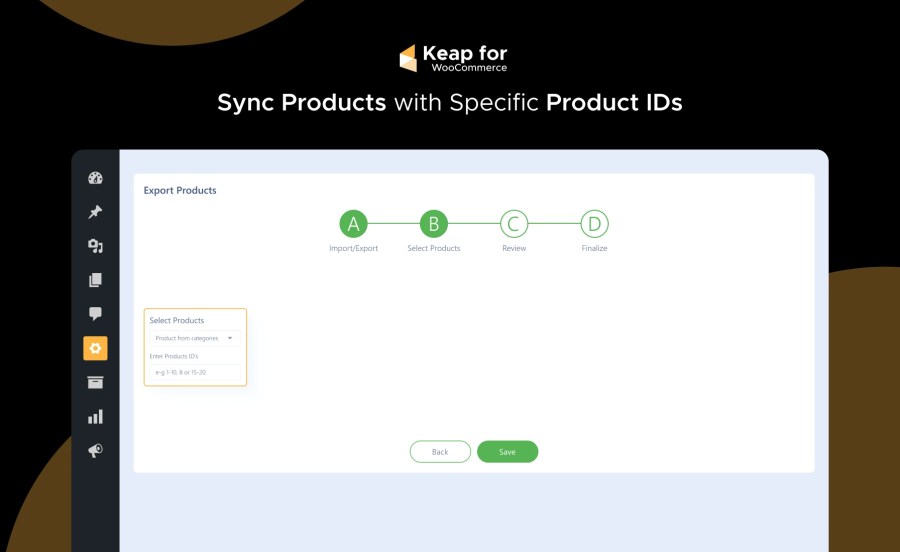
Credit: woocommerce.com
Credit: woocommerce.com
Frequently Asked Questions
Is Keap Worth It?
Keap is worth it for small businesses needing an all-in-one sales, marketing, and CRM solution. It automates pipelines, emails, payments, and scheduling. Its robust features support growth but require time and investment. Budget-conscious or simple email needs may find it less suitable.
Who Is The Competitor Of Woocommerce?
Shopify, BigCommerce, Magento, and Wix are major competitors of WooCommerce. They offer diverse e-commerce solutions for various business needs.
How Much Does Keap Crm Cost?
Keap CRM pricing starts at $79/month for the Lite plan. Higher tiers with more features cost up to $199/month or more. Pricing varies by plan and user count.
Can Woocommerce Handle 50,000 Products?
Yes, WooCommerce can handle 50,000 products with proper server resources and optimized database management. Performance depends on hosting quality and caching. Using efficient plugins and a content delivery network improves speed. Regular maintenance ensures smooth operation for large product catalogs in WooCommerce stores.
Conclusion
Choosing between Keap and WooCommerce depends on your business needs. Keap offers strong sales automation and easy pipeline management. WooCommerce suits those wanting a flexible, customizable online store. Keap works well for businesses ready to invest time and money for growth. WooCommerce fits those seeking a simpler, budget-friendly e-commerce setup. Consider how much automation and integration you need. For more details about Keap’s features and benefits, visit Keap and see if it fits your business goals.