
Choosing the right platform for your business can feel overwhelming, especially when you’re deciding between two powerful options like HubSpot and Kentico. You want a solution that not only fits your current needs but also grows with your business.
What if you could get a clear, simple comparison that highlights exactly how each platform can impact your marketing, sales, and customer experience? You’ll discover the key differences between HubSpot and Kentico, so you can make a confident choice that drives real results.
Keep reading to find out which platform aligns best with your goals and how to avoid costly mistakes.
Platform Overview
Choosing the right platform can shape your business growth and online presence. HubSpot and Kentico offer powerful tools but serve different needs. Understanding their platform features helps you decide which fits your goals best.
Both platforms provide content management and marketing solutions. HubSpot focuses on marketing automation and CRM, while Kentico delivers a comprehensive content management system with ecommerce capabilities. Let’s explore what each platform offers.
Hubspot Features
HubSpot offers an all-in-one marketing, sales, and service platform. Its smart CRM helps track customer interactions and manage leads effectively. Email marketing tools allow easy campaign creation and automation.
The platform supports landing pages, social media management, and SEO tools. HubSpot’s analytics provide detailed reports on marketing performance. It also integrates with many third-party apps to extend its functionality.
HubSpot’s user-friendly interface suits small to medium businesses aiming to grow their customer base. Automated workflows save time by handling repetitive marketing tasks. The platform also includes customer support features for better service.
Kentico Features
Kentico is a flexible content management system built for complex websites. It offers powerful content editing and publishing tools. The platform supports multilingual sites and advanced user permissions.
Kentico includes ecommerce features like product catalogs, shopping carts, and order management. It also provides marketing automation tools such as email campaigns and lead scoring. Integration options allow connection with other business systems.
The platform is designed for medium to large enterprises needing a customizable and scalable solution. Kentico’s strong developer support helps create tailored digital experiences. Security features protect data and ensure compliance.
Credit: www.americaneagle.com
Pricing Comparison
Comparing HubSpot and Kentico pricing helps businesses choose the right platform. Both offer different pricing models suited for various needs and budgets. Understanding each pricing tier and structure is key to making a smart decision.
Hubspot Pricing Tiers
HubSpot provides multiple pricing tiers based on features and user needs. The Starter plan begins at a low monthly cost, ideal for small teams. The Professional tier adds advanced marketing and sales tools. Enterprise offers full platform access with custom options. Prices increase with added contacts and users.
Kentico Pricing Structure
Kentico uses a licensing model with options for both cloud and on-premises. Pricing depends on the number of websites and features needed. The base license covers core CMS functions. Add-ons and support packages increase the overall cost. Kentico also offers a free trial for testing.
Cost Efficiency
HubSpot suits businesses wanting an all-in-one marketing and CRM solution. Its tiered pricing fits growing companies well. Kentico works best for those needing a flexible content management system. Licensing can be cost-effective for large or complex projects. Compare features carefully to find the best value.
User Experience
User experience plays a key role in choosing between HubSpot and Kentico. It affects how easily users can navigate, learn, and get help. A smooth user experience saves time and boosts productivity.
Both platforms offer unique strengths in user interaction. Understanding these differences helps businesses pick the right fit for their needs.
Ease Of Use
HubSpot provides a clean and simple interface. Its dashboard is intuitive, with clear labels and easy navigation. Users can quickly find tools and features.
Kentico has a more complex design. It offers many customization options but may feel overwhelming for beginners. Users often spend more time learning the system.
Onboarding Process
HubSpot offers guided tutorials and step-by-step setup. New users receive clear instructions to start quickly. The onboarding is fast and user-friendly.
Kentico’s onboarding requires more technical knowledge. It involves deeper configuration and often needs developer support. The process can be longer and more detailed.
Customer Support
HubSpot provides 24/7 customer support through chat, email, and phone. The support team is responsive and helpful for all skill levels.
Kentico offers support mainly via email and ticket system. Response times vary and may require additional fees for premium help. Support is more suited to advanced users.

Credit: rtcamp.com
Marketing And Crm Capabilities
Marketing and CRM capabilities play a vital role in business growth. Both HubSpot and Kentico offer tools to manage customer relationships and marketing efforts. Understanding their strengths helps choose the right platform for your needs. This section covers lead generation, sales pipeline management, and marketing automation.
Lead Generation Tools
HubSpot provides strong lead generation features. It offers forms, landing pages, and pop-ups that capture visitor data. Users can track leads and score them based on engagement. Kentico also supports lead capture through customizable forms and landing pages. Its integration with content management helps attract visitors. HubSpot tends to be more user-friendly for marketers without technical skills.
Sales Pipeline Management
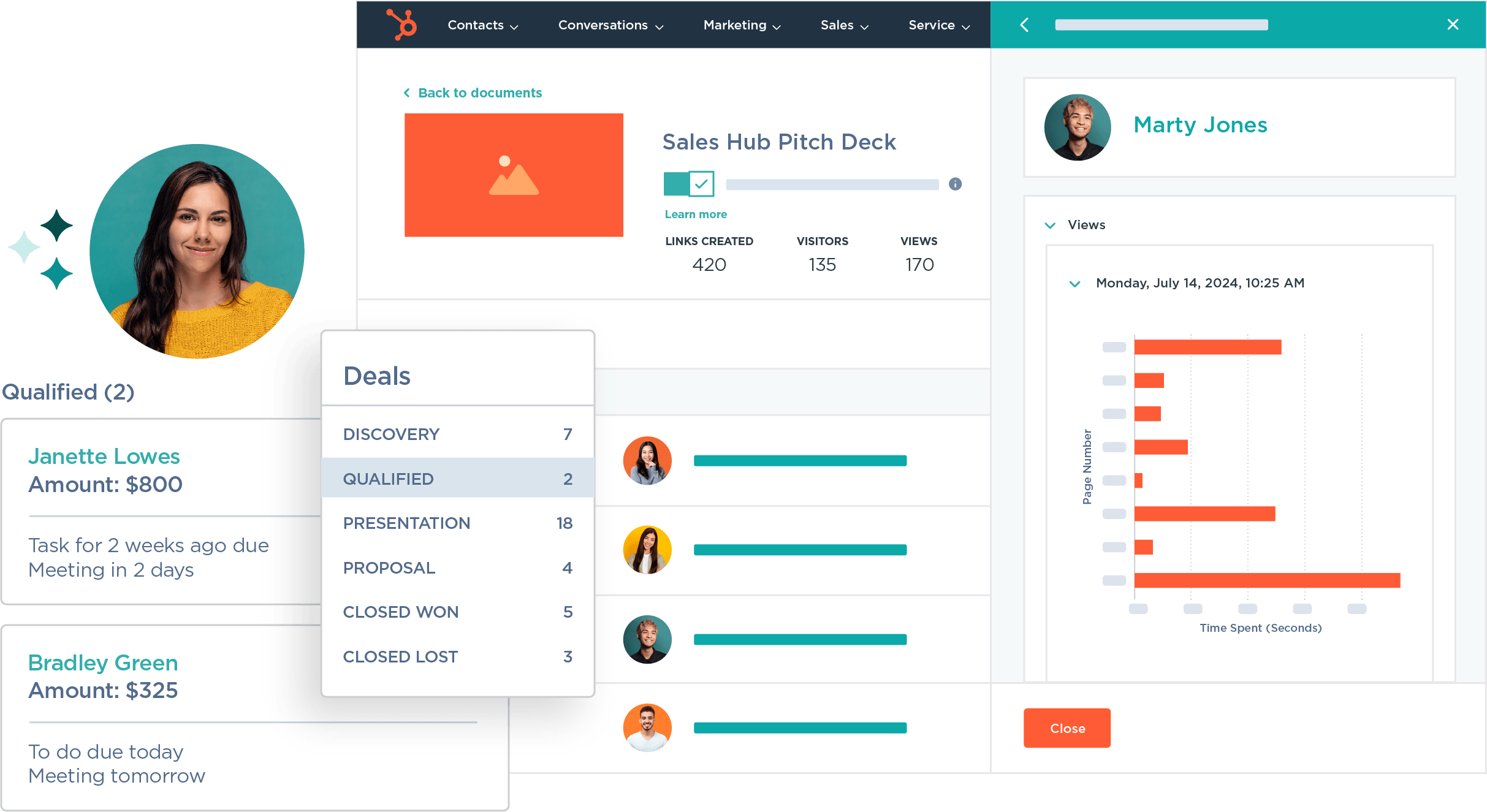
HubSpot’s CRM includes an intuitive sales pipeline interface. It allows users to track deals, set tasks, and monitor progress easily. Sales teams can visualize each stage of the customer journey. Kentico provides basic sales tracking but focuses more on content and digital experience. Its CRM features are less extensive than HubSpot’s. HubSpot excels at organizing and managing sales activities.
Marketing Automation
HubSpot offers a powerful marketing automation system. Users can build workflows to nurture leads, send emails, and score contacts automatically. It supports multi-channel campaigns and detailed analytics. Kentico includes marketing automation tools but with fewer options and less flexibility. HubSpot’s automation is designed for marketers to run campaigns without coding. This makes HubSpot a preferred choice for complex marketing tasks.
Content Management
Content management plays a key role in how businesses share information online. Efficient content tools help create, organize, and publish digital content easily. They support marketing goals and improve user experience.
HubSpot and Kentico offer strong content management systems. Each platform has unique features to manage and deliver content effectively. Understanding their differences helps choose the right tool for your needs.
Hubspot Content Hub
HubSpot Content Hub centralizes content creation and management. It allows teams to build and edit web pages, blogs, and landing pages. The drag-and-drop editor is simple and user-friendly. SEO recommendations guide users to improve content quality. HubSpot also supports content scheduling and performance tracking.
Kentico Xperience
Kentico Xperience combines content management with digital marketing tools. It offers a flexible page builder and templates for quick site creation. Content editors can preview changes before publishing. The system supports multilingual content and personalization. Kentico integrates with other business systems easily.
Customization Options
HubSpot limits customization to predefined modules and templates. This suits users who prefer ease over deep control. Kentico provides advanced customization through code and APIs. Developers can create custom modules and workflows. This makes Kentico ideal for complex projects requiring unique features.
Integrations And Extensibility
Integrations and extensibility are vital for businesses using digital platforms. They allow systems to work together and adapt to growing needs. HubSpot and Kentico offer different approaches in this area. Understanding their capabilities helps in choosing the right platform for your business.
Third-party Integrations
HubSpot has a vast marketplace with thousands of third-party apps. These apps connect easily to marketing, sales, and service tools. This wide range supports many business functions without extra coding.
Kentico also supports third-party integrations. It uses connectors and modules to link with popular services. While its catalog is smaller, Kentico allows custom integrations for unique needs.
Api Access
HubSpot offers strong API access for developers. Its REST APIs cover contacts, deals, emails, and more. This access helps create custom apps and automate workflows smoothly.
Kentico provides flexible API options too. It supports REST and GraphQL APIs. Developers can build custom features and integrate external systems efficiently.
Scalability
HubSpot scales well for growing businesses. It supports increased data, users, and integrations without performance loss. This makes it suitable for small to large teams.
Kentico excels in scalability for complex websites and enterprises. It handles high traffic and large content volumes. Its modular design allows adding features as needed.
Security And Compliance
Security and compliance are essential for any digital platform. They protect sensitive data and build user trust. HubSpot and Kentico offer strong security measures. Each platform focuses on safeguarding information and meeting legal standards.
Data Protection Features
HubSpot uses encryption to protect data in transit and at rest. It offers role-based access controls to limit user permissions. Regular security audits help identify and fix vulnerabilities. Kentico also applies encryption for stored and transferred data. It supports multi-factor authentication for extra account security. Both platforms provide secure backups to prevent data loss.
Compliance Standards
HubSpot complies with GDPR, CCPA, and other global laws. It helps businesses manage data privacy and user consent easily. Kentico meets GDPR and HIPAA requirements for healthcare data. It provides tools to support privacy policies and user rights. Both platforms maintain certifications that prove their commitment to compliance. Choosing either ensures your data handling follows strict rules.
Use Cases And Industry Adoption
Choosing between HubSpot and Kentico depends on your business needs and industry type. Both platforms serve different markets and offer unique strengths. Understanding their common use cases and industry adoption helps select the right tool.
Each platform fits certain industries better and supports different company sizes. This section explores where HubSpot and Kentico excel and which businesses benefit most from each.
Industries Using Hubspot
HubSpot is popular in marketing, sales, and customer service sectors. Companies in technology, education, and healthcare often use HubSpot for lead generation and CRM. Small and medium businesses prefer HubSpot for its easy marketing automation tools. It suits industries focused on inbound marketing and online sales growth.
Industries Using Kentico
Kentico serves industries needing strong content management and digital experience platforms. It is common in retail, finance, and government sectors. Kentico fits organizations requiring complex websites and custom integrations. Many enterprises use Kentico to manage large-scale digital content and e-commerce solutions.
Company Size Suitability
HubSpot fits small to mid-sized companies well. It offers scalable tools that grow with business needs. Kentico is designed for medium to large enterprises with advanced digital demands. It supports extensive customization and high traffic volumes. Choosing depends on your company’s size and digital strategy.
Pros And Cons
Choosing the right platform depends on understanding its strengths and weaknesses. Both HubSpot and Kentico offer valuable features but also have some drawbacks. Reviewing their pros and cons helps you make an informed decision. This section breaks down what each platform does well and where it may fall short.
Hubspot Advantages
- Easy to use with a clean, intuitive interface.
- Includes built-in marketing, sales, and service tools.
- Strong automation features for email and lead nurturing.
- Offers a free plan suitable for small businesses.
- Extensive integrations with other software and apps.
- Comprehensive analytics and reporting capabilities.
Hubspot Limitations
- Can become expensive as your contacts grow.
- Customization options are limited compared to some CMS platforms.
- Some advanced features require higher-tier plans.
- Less control over website design and development.
- Primarily focused on inbound marketing and CRM.
Kentico Advantages
- Highly customizable and flexible content management system.
- Supports complex websites and online stores.
- Strong built-in features for content personalization.
- Good for developers with access to source code.
- Robust security options and scalable architecture.
- Includes marketing automation and e-commerce modules.
Kentico Limitations
- Steeper learning curve for non-technical users.
- Setup and maintenance require technical expertise.
- Costs can be high for licensing and hosting.
- Fewer third-party integrations than HubSpot.
- Less suited for simple or small business websites.
Future Trends And Updates
The digital marketing and content management landscape constantly evolves. HubSpot and Kentico adapt to meet new business needs and tech advances. Understanding their future trends helps companies choose the right platform. It also shows how each platform will support growth and innovation.
This section explores upcoming features and market position predictions for 2025. It provides insight into how HubSpot and Kentico plan to stay relevant and competitive.
Upcoming Features
HubSpot focuses on enhanced AI tools for smarter automation. It plans to improve customer data integration and predictive analytics. These updates aim to simplify marketing and sales processes.
Kentico is investing in headless CMS capabilities. This allows more flexibility for developers and content creators. It also plans to boost cloud deployment options for faster scaling.
Both platforms prioritize security upgrades and user experience improvements. Expect more seamless integrations with third-party apps and services.
Market Position In 2025
HubSpot aims to solidify its role as an all-in-one growth platform. Its user base is expected to grow, especially among small and mid-sized businesses. HubSpot’s emphasis on easy-to-use tools will attract new users worldwide.
Kentico targets larger enterprises with complex content needs. Its flexible CMS and strong development tools make it ideal for custom solutions. Kentico’s market share may increase in industries like finance and technology.
Both platforms will likely compete closely but serve slightly different audiences. Choosing between them will depend on business size and technical requirements.
Credit: www.americaneagle.com
Frequently Asked Questions
Who Is Hubspot’s Biggest Competitor?
Salesforce is HubSpot’s biggest competitor, offering comprehensive CRM and marketing automation solutions for businesses of all sizes.
What Crm Is Better Than Hubspot?
Salesforce, Zoho CRM, and Pipedrive often outperform HubSpot in customization, pricing, and advanced features. Choose based on your business needs.
What Companies Use Kentico?
Kentico powers websites for companies like Equitable (finance), UNRVLD (tech), Linakis. digital (IT), and Sagepath Reply (IT consulting).
What Are The Downsides Of Hubspot?
HubSpot can become costly as your business grows. It has mandatory onboarding fees and yearly contracts. Some key features require expensive upgrades. The all-in-one setup may limit customization and flexibility for certain users.
Conclusion
Choosing between HubSpot and Kentico depends on your business needs. HubSpot offers strong CRM and marketing tools. Kentico focuses more on content management and customization. Both platforms have unique strengths and pricing structures. Consider your budget, technical skills, and growth plans.
Test each tool with a trial if possible. This helps you understand which fits your workflow best. The right choice supports your goals and simplifies your tasks. Take time to decide carefully for long-term success.