Are you trying to decide between Drift and HubSpot for your business? Choosing the right platform can feel overwhelming, especially when both promise to boost your sales and improve customer engagement.
But what if you could quickly uncover which one fits your unique needs? This article breaks down Drift and HubSpot side by side, helping you understand their strengths and weaknesses. By the end, you’ll know exactly which tool can drive your growth and simplify your marketing efforts.
Keep reading, because the right choice could transform how you connect with your customers.

Credit: saufter.io
Drift And Hubspot At A Glance
Drift and HubSpot are two popular tools for businesses aiming to improve customer engagement and sales. They serve different purposes but often overlap in features. Understanding their core differences helps businesses pick the right fit.
This section breaks down their main functions and target users. It offers a clear view of what each platform brings to the table.
Core Functions
Drift focuses mainly on live chat and conversational marketing. It uses chatbots to connect with visitors instantly. Drift helps qualify leads and book meetings automatically. It also supports sales teams by providing real-time customer insights.
HubSpot offers a full customer relationship management (CRM) system. It includes marketing, sales, and service tools all in one place. HubSpot helps manage email campaigns, social media, and content marketing. It also tracks customer interactions and automates follow-ups.
Target Audiences
Drift targets sales teams and businesses that want quick, interactive customer communication. It suits companies focused on boosting lead conversion through chat. Drift works well for small to medium businesses with active sales processes.
HubSpot appeals to a wider range of businesses, from startups to large enterprises. It suits marketing teams needing an all-in-one platform to manage campaigns and customer data. HubSpot also supports customer service teams with ticketing and help desk features.
Key Features Compared
Comparing Drift and HubSpot reveals clear differences in their core features. Each platform offers tools that serve distinct business needs. Understanding these key features helps decide which tool fits best.
Conversational Marketing Tools
Drift focuses heavily on conversational marketing. It uses chatbots to engage visitors instantly. Its bots qualify leads and book meetings automatically. HubSpot also offers chat features but with more basic automation. HubSpot’s chatbot builder is easy to use but less advanced than Drift’s. Drift’s real-time chat excels in personalizing buyer interactions. HubSpot integrates chat with other marketing channels smoothly.
Sales Automation
HubSpot shines in sales automation with a complete sales pipeline. It automates follow-up emails and task reminders. HubSpot helps track deals and manage contacts efficiently. Drift automates meeting scheduling and lead qualification through chatbots. It focuses on speeding up buyer conversations. HubSpot’s automation covers broader sales activities. Drift’s automation fits well for quick responses and booking.
Crm Capabilities
HubSpot includes a full-featured CRM system. It stores contacts, tracks interactions, and manages deals. HubSpot CRM is free and integrates with its marketing tools. Drift does not have a built-in CRM but connects easily to popular CRMs. This connection helps sync chat data with customer records. HubSpot CRM offers better overall contact management. Drift works best alongside an existing CRM system.
Reporting And Analytics
HubSpot provides detailed reports on marketing, sales, and customer service. Its dashboards show performance across all activities. Drift offers analytics focused on chat and buyer engagement. Drift tracks chat volume, response times, and conversion rates. HubSpot’s analytics cover a wider range of business data. Drift’s reports highlight conversation effectiveness and lead quality.
User Experience And Interface
User experience and interface play a key role in how effectively users interact with software. Both Drift and HubSpot offer unique designs and layouts. These affect how quickly new users can get started and how easily they manage daily tasks.
Understanding the ease of use and customization options helps in choosing the right platform. Drift focuses on conversational marketing, while HubSpot serves as a broad customer platform. Each has strengths in user experience that suit different business needs.
Ease Of Use
Drift provides a clean, simple dashboard. It allows users to navigate through chats and contacts quickly. The interface is designed with sales teams in mind. This makes finding tools and reports straightforward.
HubSpot offers a more complex interface due to its many features. It groups tools into hubs like marketing, sales, and service. New users may need time to explore. Still, HubSpot guides users with helpful tips and tutorials.
Customization Options
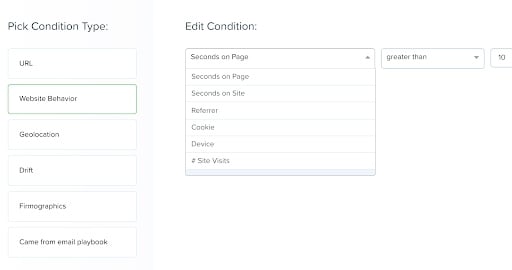
Drift allows easy customization of chatbots and messaging flows. Users can tailor conversations to match customer intent. The visual builder helps to set up rules without coding.
HubSpot provides extensive customization across its platform. Users can create custom dashboards, reports, and workflows. It also supports integrations with many third-party apps. This flexibility suits businesses wanting a tailored experience.
Credit: impulsecreative.com
Pricing And Plans
Understanding the pricing and plans of Drift and HubSpot helps you decide which platform fits your budget and needs. Both offer multiple tiers, but their cost structures and included features differ significantly. This section breaks down their pricing models and assesses the value you get from each.
Cost Structures
Drift’s pricing is based on the number of contacts and features you want. It offers a free plan with limited chat features. Paid plans start with the Premium tier, which includes advanced chatbots and integrations. Custom pricing applies to enterprise clients with larger needs.
HubSpot uses a tiered pricing system across its Marketing, Sales, and Service Hubs. A free CRM is available, including basic chat and email tools. Paid plans start at Starter, then move up to Professional and Enterprise levels. Each adds more automation and reporting capabilities.
Value For Money
Drift focuses on conversational marketing and sales acceleration. Its plans suit businesses that want to engage visitors instantly with chatbots and live chat. The pricing reflects its specialized tools for buyer intent and lead qualification.
HubSpot provides a broad CRM and marketing platform. Its value lies in combining marketing, sales, and service tools in one place. Businesses benefit from seamless integration and a scalable system that grows with their needs.
Integration And Compatibility
Integration and compatibility are key factors when choosing between Drift and HubSpot. Both platforms offer ways to connect with other tools and systems. This connection improves workflow and data sharing across your business software. Understanding how each platform handles integration helps you pick the right tool for your needs.
Third-party Integrations
Drift supports many popular third-party apps. It connects well with email platforms, CRM systems, and marketing tools. This allows smooth data flow between Drift and other software. HubSpot also offers extensive third-party integrations. It works with various sales, marketing, and customer service tools. HubSpot’s integrations are often built within its ecosystem, ensuring strong compatibility. Both platforms keep expanding their integration options regularly.
Platform Ecosystem
HubSpot has a large, all-in-one platform ecosystem. It combines marketing, sales, and service tools in one place. This creates a seamless experience for users managing multiple functions. Drift focuses more on conversational marketing and sales tools. It integrates with key systems but relies on partnerships for broader functionality. HubSpot’s ecosystem suits businesses wanting a unified platform. Drift fits best for those needing strong chat and messaging features with flexible integration.
Customer Support And Resources
Customer support and resources play a vital role in choosing between Drift and HubSpot. Both platforms offer assistance to help users get the most out of their tools. Understanding their support options and learning materials can guide your decision.
Support Channels
Drift provides support through live chat, email, and a help center. Their live chat is quick for resolving issues during business hours. Email support handles more detailed questions.
HubSpot offers phone support, live chat, email, and an extensive knowledge base. Phone support is available for certain plans, giving direct access to experts. Their live chat and email services are reliable and timely.
Training And Documentation
Drift has a range of tutorials, webinars, and articles. These materials focus on conversational marketing and sales strategies. The documentation is clear and easy to follow.
HubSpot excels with its Academy, offering free courses and certifications. Users can learn at their own pace on topics from marketing to sales. HubSpot’s documentation is detailed and updated regularly.
Strengths And Weaknesses
Understanding the strengths and weaknesses of Drift and HubSpot helps businesses choose the best fit. Each platform offers unique features tailored for different marketing and sales needs. This section breaks down what each tool does best and where they fall short. Clear insight allows smarter decisions for your customer engagement strategy.
Drift Advantages
Drift excels in real-time chat and conversational marketing. It offers advanced targeting to engage visitors based on behavior. Drift’s AI-powered chatbots handle complex conversations smoothly. The platform integrates well with many CRM systems. It boosts lead qualification by connecting prospects directly to sales reps. Drift’s user interface is intuitive and easy to use.
Hubspot Advantages
HubSpot is a complete inbound marketing and sales platform. It combines CRM, email marketing, and automation tools in one place. HubSpot’s reporting and analytics provide clear insights into campaigns. Its marketing hub supports content creation and social media management. The platform offers extensive training resources and community support. HubSpot is known for scalability and flexibility across business sizes.
Common Limitations
Both platforms can be costly for small businesses or startups. Learning curves exist, especially for users new to marketing software. Drift may lack deep analytics compared to full marketing suites. HubSpot’s chatbot features can be less advanced than specialized tools. Integration with some third-party apps may require technical setup. Customer support quality varies depending on subscription plans.
Credit: impulsecreative.com
Choosing The Right Solution
Choosing the right solution between Drift and HubSpot depends on your unique business needs. Both platforms offer distinct features that serve different purposes. Understanding your business size and industry demands can guide your choice. This ensures the selected tool aligns perfectly with your goals and resources.
Business Size Considerations
Small businesses often need simple, cost-effective tools. Drift offers easy-to-use chat features that help engage website visitors quickly. HubSpot provides a full suite of marketing and sales tools but may be complex for smaller teams.
Medium and large businesses benefit from HubSpot’s extensive CRM and automation. It supports multiple departments and integrates with many apps. Drift suits teams focusing mainly on conversational marketing and quick lead capture. Choose based on your team size and how much support you need.
Industry-specific Needs
Different industries require different features. For example, tech companies may prefer Drift’s real-time chat and AI-powered messaging. This helps answer customer questions instantly and boost sales conversations.
Service industries and B2B companies often use HubSpot for its all-in-one platform. It manages contacts, email campaigns, and detailed analytics in one place. Both platforms offer customization, but your industry’s workflows and customer interaction style will influence the best fit.
Frequently Asked Questions
What Is The Main Difference Between Drift And Hubspot?
Drift focuses on real-time buyer engagement through conversational marketing. HubSpot offers a full customer platform including CRM, marketing, sales, and service tools. Drift excels in targeted messaging, while HubSpot provides a comprehensive suite for inbound marketing and customer management.
Which Platform Is Better For Conversational Marketing?
Drift is better suited for conversational marketing due to its advanced chat and AI targeting features. HubSpot also offers chat tools but is more focused on overall marketing automation and CRM integration, making Drift the preferred choice for real-time buyer interaction.
How Do Drift And Hubspot Compare In Pricing?
Drift pricing is generally higher, reflecting its specialized conversational marketing capabilities. HubSpot offers tiered pricing with free options, making it accessible for small to large businesses. The best choice depends on your budget and the marketing features you need.
Can Drift And Hubspot Be Integrated Together?
Yes, Drift and HubSpot can be integrated to combine Drift’s chat and engagement tools with HubSpot’s CRM and marketing automation. This integration helps streamline lead capture, improve customer interaction, and enhance sales follow-up processes.
Conclusion
Choosing between Drift and HubSpot depends on your business needs. Drift excels at real-time buyer engagement and precise targeting. HubSpot offers a complete platform for marketing, sales, and service. Both tools improve customer communication and boost sales efforts. Consider your priorities: quick conversations or all-in-one management.
Test each option to see which fits your workflow best. The right choice helps your business grow steadily and stay connected with customers.