Choosing the right sales and marketing tool can make all the difference for your business growth. If you’re stuck between Yesware and HubSpot, you’re not alone.
Both are powerful platforms, but they serve different needs and come with unique strengths. What if you could quickly pinpoint which one fits your goals, budget, and workflow better? This article breaks down the key differences between Yesware and HubSpot, so you can decide which one will truly boost your sales game and simplify your daily tasks.
Ready to find the perfect match for your business? Let’s dive in.
Yesware Features
Yesware offers several practical features designed to boost sales productivity. It focuses on email communication and integrates well with popular tools. The platform provides real-time insights and automation options that save time and effort.
These features make Yesware a solid choice for teams that rely heavily on email outreach. It helps track engagement, manage templates, and automate routine tasks directly within Gmail.
Email Tracking And Analytics
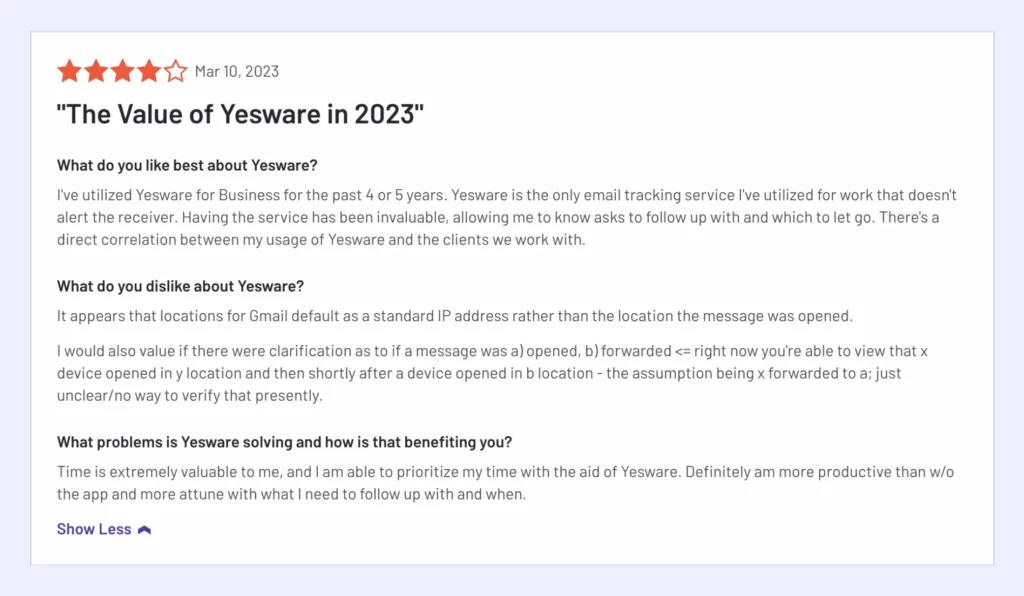
Yesware tracks emails in real-time. Users see when recipients open or click links. This helps sales teams follow up at the right moment. Analytics show which messages perform best. Reports provide data on opens, clicks, and replies. This insight improves email strategies.
Template Management
Yesware allows users to create and save email templates. These templates can be customized quickly for each contact. It reduces the time spent on repetitive writing. Teams can share templates for consistency. Template performance can also be tracked for effectiveness.
Integration With Gmail
Yesware integrates seamlessly with Gmail. It works inside the inbox without switching apps. Users can send tracked emails and access templates easily. This integration keeps workflows smooth and efficient. It supports Gmail’s interface and features.
Sales Automation Tools
Yesware includes automation tools to streamline sales tasks. Users can schedule follow-up emails automatically. It helps manage outreach sequences without manual effort. Automation reduces the risk of missed opportunities. These tools increase productivity and save time.
Credit: www.klenty.com
Hubspot Features
HubSpot offers a robust set of features that support sales, marketing, and customer service teams. Its tools help businesses organize contacts, automate tasks, and measure performance. HubSpot’s user-friendly design makes complex processes easier to manage.
This section highlights key HubSpot features that make it a strong choice for businesses of all sizes.
Comprehensive Crm
HubSpot’s CRM is free and central to its platform. It stores all customer data in one place. Users can track interactions, manage contacts, and view communication history. This CRM helps teams stay organized and improves customer relationships.
Marketing Automation
HubSpot automates repetitive marketing tasks like email campaigns and social media posts. It segments audiences to send personalized messages. Automation saves time and helps deliver the right content to the right people at the right time.
Custom Reporting
HubSpot provides detailed reports to track sales and marketing performance. Users can customize reports to focus on key metrics. These insights help teams understand what works and where to improve.
Sales Pipeline Management
HubSpot’s pipeline tools visualize the sales process from lead to close. Teams can easily move deals through stages and assign tasks. This visibility helps forecast sales and manage opportunities efficiently.
Pricing Comparison
Comparing Yesware and HubSpot pricing helps businesses choose the right tool.
Both platforms have different pricing models suited for various user needs.
Understanding cost details is key to avoiding unexpected expenses.
Cost Structure
Yesware offers simple pricing tiers based on user count and features.
Its plans start with basic email tracking and scale up to advanced analytics.
HubSpot uses a modular pricing system with multiple hubs and add-ons.
Its base price is higher but includes a CRM and marketing tools.
Onboarding And Hidden Fees
Yesware’s onboarding process is straightforward and often included in pricing.
HubSpot may charge mandatory onboarding fees, especially for enterprise plans.
Watch for extra costs on HubSpot for premium support and advanced features.
Yesware keeps fees transparent, minimizing surprises during setup.
Scalability Expenses
Yesware remains cost-effective for small to mid-sized teams.
HubSpot’s pricing grows significantly as users add features and contacts.
HubSpot suits larger teams needing an all-in-one platform despite higher costs.
Yesware works well if you want focused sales tools without extra CRM expenses.
User Experience
User experience plays a vital role in choosing between Yesware and HubSpot. It affects how easily users can adopt and benefit from the software. A smooth experience saves time and reduces frustration. Let’s explore key aspects of user experience for both tools.
Ease Of Use
Yesware offers a simple setup with a focus on email tracking inside Gmail and Outlook. Its design is straightforward for sales reps who want quick access to templates and analytics. HubSpot provides a broader platform, which may take longer to learn but supports multiple sales and marketing needs in one place. Users new to CRM might find Yesware easier at first. HubSpot requires a bit more time but offers more features once learned.
Customization Options
HubSpot shines with its customization abilities. Users can tailor dashboards, reports, and workflows to fit specific business processes. Yesware provides basic customization mainly around email templates and tracking settings. It suits teams wanting minimal adjustments. HubSpot’s deeper customization allows businesses to grow without switching platforms. Yesware’s simpler options help users focus on core tasks quickly.
Navigation And Interface
HubSpot’s interface is clean and modern, with a menu that organizes tools by function. It allows users to move between marketing, sales, and service sections easily. Yesware integrates directly into email inboxes, making navigation seamless for users who spend most of their time in Gmail or Outlook. Yesware’s interface is less complex but limited outside email functions. HubSpot’s interface might feel overwhelming but supports more detailed workflows and reporting.
Integration Capabilities
Integration capabilities are vital when choosing between Yesware and HubSpot. These features ensure smooth workflows and better productivity. Both tools offer multiple ways to connect with your existing software. The ease and range of integrations affect daily sales and marketing tasks. Let’s explore how they perform in key areas.
Email Platforms
Yesware focuses heavily on email integration. It works seamlessly with Gmail and Outlook. This allows users to track emails and schedule follow-ups directly from their inbox. HubSpot also supports email platforms but offers broader options. It connects with Gmail, Outlook, and others through plugins. HubSpot’s native email marketing tools provide extra functionality within the platform.
Third-party Apps
HubSpot supports hundreds of third-party apps. These include marketing, sales, and productivity tools. Users can add apps from its marketplace to customize their system. Yesware offers fewer third-party integrations but covers essential apps. It connects with calendar apps, dialers, and some marketing tools. HubSpot’s extensive app network suits businesses needing varied tool connections.
Crm Compatibility
HubSpot includes its own CRM, fully integrated with its sales and marketing features. This creates a unified system without extra setup. Yesware is designed to work with existing CRMs like Salesforce. It syncs email activity and tracks engagement within the CRM. Companies using Salesforce may prefer Yesware for tight CRM integration. HubSpot suits teams wanting an all-in-one CRM and marketing solution.
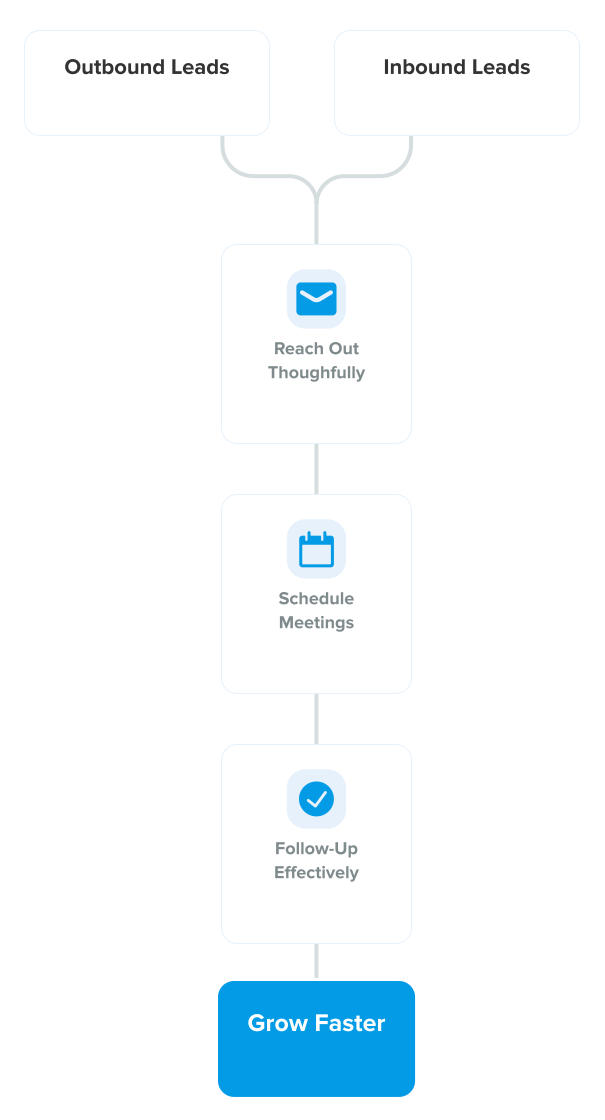
Credit: www.yesware.com
Sales Team Suitability
Choosing the right sales tool depends on your team’s needs and work style. Both Yesware and HubSpot serve sales teams but target different types of users. Understanding which tool fits best can improve your sales process and results.
Sales team suitability varies based on email use, need for all-in-one solutions, and business size. Below, we explore these factors for Yesware and HubSpot.
Email-heavy Teams
Yesware works well for teams that send many emails daily. It integrates directly with Gmail and Outlook. Sales reps can track emails, schedule sends, and use templates easily. This lightweight approach keeps email workflows simple and fast.
HubSpot also offers email tracking but adds CRM features. It suits teams wanting more than just email tools. For pure email-heavy teams, Yesware’s focused design may save time and reduce distractions.
All-in-one Sales Teams
HubSpot shines for teams needing a full sales platform. It combines CRM, marketing, sales automation, and reporting. Teams can manage contacts, deals, and campaigns in one place. This reduces the need for multiple tools.
Yesware lacks broader CRM features. It focuses on email productivity. Teams wanting all-in-one solutions find HubSpot a better fit. It supports complex sales processes and team collaboration well.
Small Vs Large Businesses
Small businesses often prefer Yesware for its lower cost and simplicity. It helps sales reps stay productive without heavy setup. Yesware’s pricing suits tight budgets and smaller teams.
Large businesses benefit from HubSpot’s scalability. Its advanced features support many users and complex workflows. HubSpot adapts to growing teams and diverse sales needs. The platform’s customization helps manage large pipelines effectively.
Performance And Deliverability
Performance and deliverability are critical factors in choosing between Yesware and HubSpot. These elements determine how well your emails reach recipients and how effectively you can monitor their engagement. Both platforms offer tools designed to maximize email success, but they differ in their approach and capabilities.
Email Deliverability Rates
Yesware focuses on seamless Gmail and Outlook integration. It ensures high deliverability through trusted email servers. HubSpot uses robust infrastructure with built-in spam filters. It maintains strong sender reputations to avoid inbox rejection. Both platforms provide features to reduce bounce rates and improve inbox placement.
Real-time Tracking Accuracy
Yesware offers instant notifications on email opens and link clicks. Its tracking works directly inside the email client for quick updates. HubSpot provides detailed real-time analytics with heat maps and engagement timelines. It tracks recipient behavior across multiple devices accurately. Both tools help sales teams respond promptly to prospects.
Campaign Management
Yesware allows users to create simple, targeted email campaigns quickly. It integrates well with Gmail and Outlook for easy workflow. HubSpot offers a more comprehensive campaign builder with automation and segmentation. It supports multi-channel marketing beyond email. HubSpot’s campaign tools suit larger teams needing detailed control.
Limitations And Drawbacks
Both Yesware and HubSpot offer strong sales and marketing tools. Yet, each has limitations that may impact your choice. Understanding these drawbacks helps pick the right fit for your business needs.
Hubspot Cost Barriers
HubSpot’s pricing can be steep for small businesses. Costs rise quickly as you add more users or features. Essential tools like custom objects are locked behind higher payment tiers. Mandatory onboarding fees add to the initial expense. These costs may strain tight budgets and limit accessibility.
Yesware Feature Constraints
Yesware focuses mainly on email tracking and templates. It lacks the broad CRM and marketing automation features HubSpot offers. Reporting and customization options are limited compared to HubSpot. Yesware works best for lightweight Gmail users, but falls short for complex sales processes.
Contract And Flexibility Issues
HubSpot often requires long-term contracts that lock users in for a year. This reduces flexibility if business needs change. Canceling early may result in penalties. Yesware offers simpler contracts but may lack some enterprise-level flexibility. Both platforms can restrict adaptability depending on your growth plans.
Total Cost Of Ownership
The total cost of ownership (TCO) includes all expenses tied to software use. It covers subscription fees, setup costs, training, and maintenance. Comparing Yesware and HubSpot requires understanding these costs over time. This helps businesses decide which tool fits their budget and needs best.
Short-term Vs Long-term Costs
Yesware offers lower upfront costs with simple pricing plans. It suits small teams needing quick email tracking and templates. HubSpot has higher initial fees due to its broad features. Over time, HubSpot’s costs may rise with added users and modules. Businesses planning growth should weigh short-term savings against long-term expenses.
Value For Money
Yesware focuses on email productivity tools, giving strong value for simple tasks. HubSpot bundles sales, marketing, and service tools in one platform. This bundle can reduce the need for multiple apps, saving money overall. The choice depends on whether you want focused features or an all-in-one solution.
Point Solutions Vs Full Crm
Yesware acts as a point solution, working mainly inside email clients. It enhances sales outreach but lacks full CRM capabilities. HubSpot provides a full CRM with contact management, automation, and reporting. Companies needing complete customer relationship management benefit more from HubSpot. Others may prefer Yesware for its ease and focused features.
Customer Support And Resources
Customer support and resources are vital for any software user. They ensure smooth adoption and ongoing success. Both Yesware and HubSpot offer different levels of support and educational materials. Understanding these differences helps users pick the right tool for their needs.
Onboarding Assistance
Yesware provides personalized onboarding for new users. Their team helps set up email tracking and templates. This support speeds up the learning curve. HubSpot offers a more structured onboarding process. It includes step-by-step guidance and setup help. HubSpot’s onboarding is often more detailed for larger teams.
Training Materials
Yesware offers clear tutorials and quick-start guides. These materials focus on email productivity features. HubSpot provides extensive training resources. Users can access videos, webinars, and detailed articles. HubSpot’s Academy is well-known for in-depth courses. This makes learning easy for beginners and advanced users alike.
User Community And Support
Yesware has a responsive support team reachable via email. Their user community is smaller but active. HubSpot boasts a large, global user community. Forums and user groups allow easy knowledge sharing. HubSpot also offers live chat and phone support. This variety suits businesses needing fast problem resolution.

Credit: www.youtube.com
Frequently Asked Questions
Who Is Hubspot’s Biggest Competitor?
HubSpot’s biggest competitor is Salesforce, known for its comprehensive CRM and sales solutions. Other strong rivals include Zendesk, ActiveCampaign, and Zoho.
What Crm Is Better Than Hubspot?
Salesforce, Zoho CRM, and ActiveCampaign often outperform HubSpot with advanced features, scalability, and better pricing for growing businesses.
What Does Yesware Do?
Yesware helps sales teams track emails, schedule meetings, and automate outreach directly within their inbox. It boosts productivity and improves engagement.
What Are The Downsides Of Hubspot?
HubSpot can become costly as your business grows. It requires mandatory onboarding fees and enforces yearly contracts. Some key features, like custom objects, are behind expensive paywalls. The all-in-one design limits flexibility for specialized needs.
Conclusion
Choosing between Yesware and HubSpot depends on your business needs. Yesware works well for simple email tracking inside Gmail. HubSpot offers a full CRM with more features and customization. Yesware costs less but has fewer tools. HubSpot is pricier but combines sales and marketing functions.
Consider your budget, team size, and goals before deciding. Both tools can help improve sales efforts in different ways. Take time to test each option to find the best fit for your company.