Choosing the right marketing platform can make or break your business growth. You want a tool that not only fits your budget but also boosts your efficiency and drives real results.
When it comes to powerhouse options, HubSpot and Adobe Marketing Cloud often top the list. But which one aligns better with your unique needs? You’ll discover the key differences, strengths, and potential drawbacks of each. By the end, you’ll feel confident in picking the perfect marketing solution to elevate your business.
Ready to find out which platform gives you the edge? Let’s dive in.
Platform Features
The platform features define the strengths of HubSpot and Adobe Marketing Cloud. Both platforms offer various tools to support marketing teams. Understanding their features helps choose the right fit for your business.
Core Marketing Tools
HubSpot provides easy-to-use tools for email marketing, social media, and content management. It focuses on automation and lead nurturing. Adobe Marketing Cloud offers advanced analytics, content creation, and campaign management. It suits companies needing complex, large-scale marketing efforts.
Sales And Crm Integration
HubSpot has built-in CRM that connects sales and marketing seamlessly. This integration helps track customer interactions and sales pipelines. Adobe Marketing Cloud integrates with Adobe Experience Platform and other CRMs. It offers customizable workflows but may require more setup.
Customer Support Capabilities
HubSpot includes support tools like ticketing, live chat, and knowledge base features. These tools help teams respond quickly to customer questions. Adobe Marketing Cloud supports customer journeys with AI-driven recommendations and analytics. It focuses on personalized customer experiences across channels.
User Experience
User experience plays a key role in choosing the right marketing platform. It affects how easily teams adopt the software and complete tasks. Both HubSpot and Adobe Marketing Cloud offer distinct experiences. Understanding their differences helps businesses pick a platform that fits their needs.
Ease of use, training, and ability to customize are crucial parts of user experience. They impact daily productivity and satisfaction. Below, we explore these areas in detail.
Interface And Usability
HubSpot has a clean and simple interface. It uses clear menus and icons that guide users well. Beginners find it easy to navigate and perform basic tasks.
Adobe Marketing Cloud offers a powerful but complex interface. It has many features packed into one platform. Users may need time to get familiar with the layout and tools.
HubSpot focuses on simplicity while Adobe provides advanced options. This difference suits different user groups and business sizes.
Onboarding And Training
HubSpot provides step-by-step onboarding with helpful tutorials. New users receive guidance through videos and articles. The training materials are easy to follow and cover many topics.
Adobe Marketing Cloud offers professional training programs and certifications. The learning curve is steeper due to its complexity. Businesses often invest in expert help to train their teams.
HubSpot’s onboarding fits small to medium businesses. Adobe’s training suits larger teams with dedicated marketing staff.
Customization Options
HubSpot allows customization through drag-and-drop editors and simple settings. Users can tailor dashboards, emails, and workflows with little coding knowledge.
Adobe Marketing Cloud supports deep customization using advanced tools. Developers can create unique solutions that match specific business needs.
HubSpot is ideal for quick and easy customization. Adobe is best for those needing complex, tailored setups.
Pricing Models
Understanding the pricing models of HubSpot and Adobe Marketing Cloud is key for businesses choosing a marketing platform. Each offers distinct subscription plans, fee structures, and scalability options. These factors affect budget planning and long-term growth potential.
Subscription Plans
HubSpot offers tiered plans based on features and contacts. Plans include Starter, Professional, and Enterprise levels. Each level adds more tools and contacts allowance. Pricing starts low, suitable for small businesses.
Adobe Marketing Cloud uses custom pricing. It bundles services like analytics, campaign management, and content creation. Costs depend on selected products and user numbers. This model suits companies needing tailored solutions.
Hidden Fees And Contracts
HubSpot has transparent pricing with few hidden fees. Some add-ons, like onboarding or extra contacts, may increase costs. Contracts often require annual commitments for better rates.
Adobe Marketing Cloud’s pricing may include extra fees. Integration, support, or training costs might not be clear upfront. Contract terms can be complex and longer, reflecting enterprise-level agreements.
Scalability For Growing Businesses
HubSpot scales smoothly with business growth. Users can upgrade plans easily and add more contacts. This flexibility suits startups and mid-sized companies.
Adobe Marketing Cloud targets large enterprises. Its scalability handles complex marketing needs and large user bases. Small businesses might find it overwhelming or costly to scale.
Marketing Automation
Marketing automation is a key part of modern digital marketing. It helps businesses save time and reach customers effectively. Both HubSpot and Adobe Marketing Cloud offer strong marketing automation tools. Each platform has unique features that suit different business needs.
Campaign Management
HubSpot provides an easy-to-use interface for creating and managing campaigns. Users can set up email, social media, and ad campaigns quickly. Adobe Marketing Cloud offers advanced options for complex campaigns. It supports multichannel marketing and large-scale workflows. HubSpot works well for small to medium businesses. Adobe is better for enterprises with bigger marketing teams.
Lead Nurturing
HubSpot excels at lead nurturing with personalized email sequences. It tracks user behavior and sends targeted content automatically. Adobe Marketing Cloud uses customer data to create customized journeys. It integrates with Adobe Experience Manager for rich content delivery. Both platforms help move leads through the sales funnel efficiently. HubSpot’s simplicity makes it easy for beginners. Adobe’s tools offer deeper customization for experts.
Ai And Analytics Features
HubSpot includes AI tools that optimize send times and content suggestions. It provides clear analytics dashboards to measure campaign success. Adobe Marketing Cloud uses AI to predict customer behavior and segment audiences. Its analytics are more detailed, offering insights across many channels. HubSpot’s AI fits well for straightforward marketing needs. Adobe’s AI is suited for data-driven teams seeking deep insights.
Integration Ecosystem
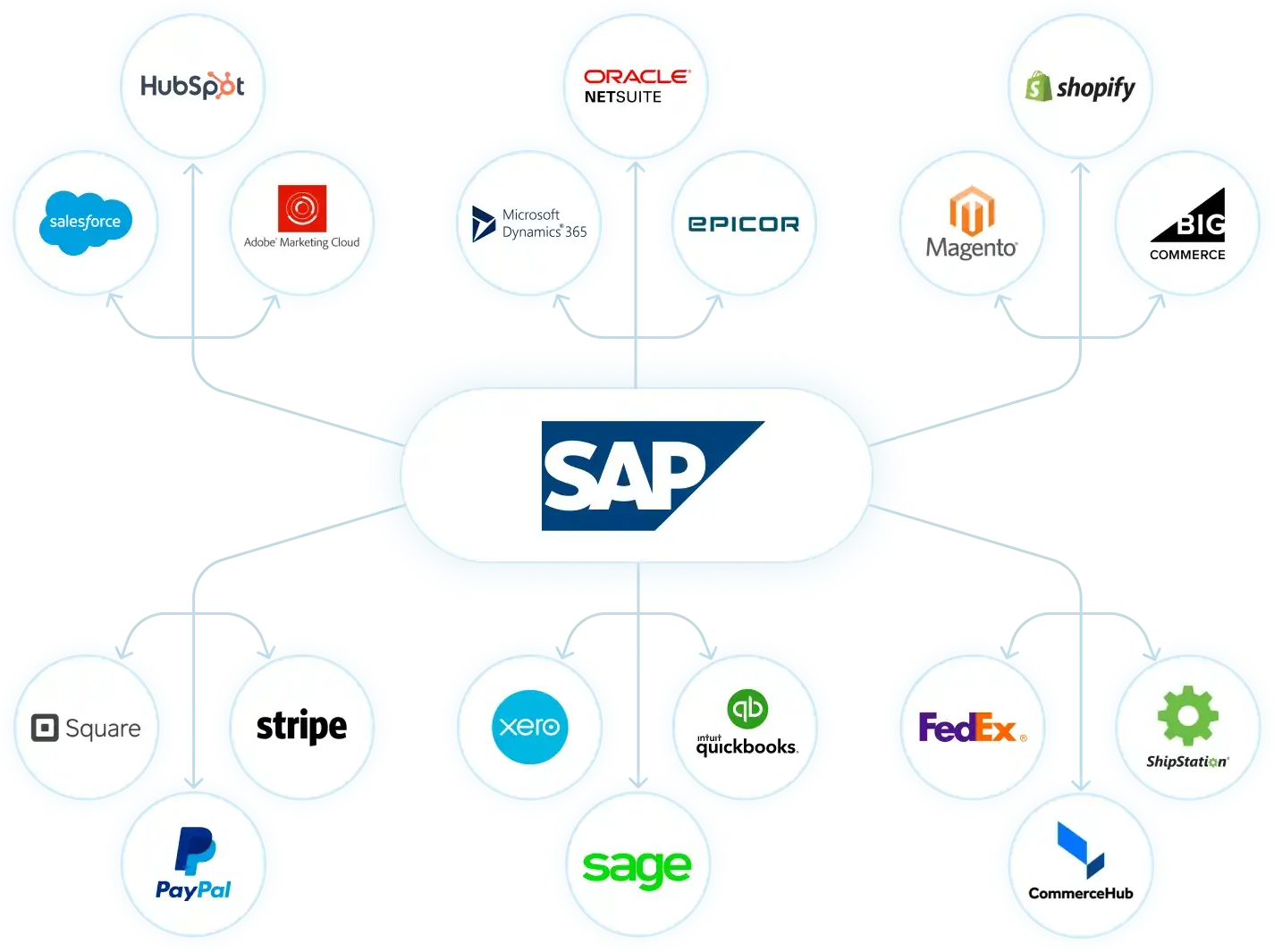
The integration ecosystem is crucial for marketing platforms. It ensures smooth connection with various tools and systems. HubSpot and Adobe Marketing Cloud offer unique approaches to integration. Each platform supports businesses in different ways. Understanding these differences helps choose the right tool.
Third-party Apps
HubSpot has a large marketplace with many third-party apps. These apps cover sales, marketing, and customer service needs. Adobe Marketing Cloud connects well with Adobe’s creative tools. It also supports many business apps outside the Adobe family. Both platforms give users access to useful add-ons. HubSpot focuses on ease of use. Adobe targets more complex enterprise environments.
Data Synchronization
HubSpot offers real-time data synchronization across its tools. This keeps marketing, sales, and service teams aligned. Adobe Marketing Cloud provides deep data integration. It combines customer data from many sources for detailed analysis. HubSpot’s syncing is simple and fast. Adobe’s sync is powerful but may need more setup. Both ensure data flows smoothly within their ecosystems.
Api Accessibility
HubSpot provides easy-to-use APIs for developers. These APIs help customize and extend the platform quickly. Adobe Marketing Cloud offers extensive APIs with advanced features. Developers can build complex integrations and workflows. HubSpot’s APIs suit small to medium businesses. Adobe’s APIs are ideal for large companies with technical resources. Both platforms support strong API connectivity for growth.
Credit: satvasolutions.com
Performance And Reliability
Performance and reliability are key factors in choosing a marketing platform. Both HubSpot and Adobe Marketing Cloud serve millions of users worldwide. Their ability to stay online and perform well affects business outcomes.
Marketers depend on fast, secure, and stable systems. Any downtime or slow response can mean lost opportunities and frustrated users. Examining system uptime, speed, and security helps reveal each platform’s strengths.
System Uptime
HubSpot boasts an uptime of 99.9%, ensuring nearly constant availability. Adobe Marketing Cloud also targets 99.9% uptime across its services. Both providers use global server networks and cloud infrastructure. This setup reduces outages and keeps platforms running smoothly. Users rarely experience disruptions, supporting continuous marketing activities.
Speed And Responsiveness
HubSpot offers fast loading times and responsive interfaces. Its cloud-based tools are optimized for quick data processing. Adobe Marketing Cloud handles large data sets and complex tasks efficiently. The platform uses advanced caching and content delivery networks. Users benefit from minimal delays during campaign management. Both platforms prioritize user experience with speedy navigation and data access.
Security Measures
HubSpot implements strong security protocols, including encryption and two-factor authentication. It complies with major regulations like GDPR and CCPA. Adobe Marketing Cloud provides robust security features such as data encryption, regular audits, and strict access controls. Both platforms protect sensitive customer data and marketing assets. Their security frameworks help businesses maintain trust and meet compliance requirements.
Target Audience
The target audience for HubSpot and Adobe Marketing Cloud varies greatly. Each platform serves different business needs and sizes. Understanding who benefits most from each helps in choosing the right tool.
HubSpot suits businesses seeking easy-to-use marketing solutions. Adobe Marketing Cloud fits complex marketing needs of large organizations. The choice depends on company size, budget, and marketing goals.
Small To Medium Businesses
HubSpot offers tools designed for small and medium businesses. It provides simple marketing automation and CRM features. Companies can grow marketing efforts without needing a large team. The platform is user-friendly and affordable for startups and SMBs. Adobe Marketing Cloud may be too complex and costly for smaller businesses.
Enterprise Solutions
Adobe Marketing Cloud targets large enterprises with advanced marketing needs. It offers robust data analytics, customer journey mapping, and personalization. Enterprises with big budgets can customize Adobe’s suite for their workflows. HubSpot’s features may not meet the scale or complexity required by these firms. Adobe excels in integrating multiple marketing channels for enterprise use.
Industry-specific Use Cases
Adobe Marketing Cloud often serves industries like retail, finance, and media. These sectors need tailored marketing strategies and data-driven insights. HubSpot works well for industries such as education, real estate, and small e-commerce. It supports straightforward marketing tactics and lead generation. Both platforms cater to different industry demands through their unique features.
Credit: marcloudconsulting.com
Strengths And Weaknesses
Understanding the strengths and weaknesses of HubSpot and Adobe Marketing Cloud helps in making the right choice. Each platform has features that suit different business needs and sizes. Let’s explore what makes each tool stand out and where they fall short.
Hubspot Advantages
HubSpot is user-friendly and easy to learn. It offers a full suite of marketing, sales, and service tools in one place. The platform has strong CRM integration that helps track customer interactions smoothly. HubSpot’s marketing automation is simple to set up and use. It provides useful templates and drag-and-drop editors for content creation. The free plan is good for small businesses starting out. HubSpot also has a large community and extensive online resources for support.
Adobe Marketing Cloud Advantages
Adobe Marketing Cloud is highly customizable and powerful for large enterprises. It excels in data analytics and real-time customer insights. The platform integrates well with other Adobe products like Photoshop and Analytics. It offers advanced tools for content management and personalized marketing campaigns. Adobe supports complex workflows and large-scale marketing operations. Its AI features help optimize marketing efforts automatically. The platform is suitable for businesses with technical teams and bigger budgets.
Common Limitations
Both platforms can be costly as you add more features and users. HubSpot may become expensive for growing companies. Adobe Marketing Cloud requires technical knowledge to use effectively. Both tools can have steep learning curves for beginners. Customization options in HubSpot are limited compared to Adobe. Adobe’s pricing and complexity may not suit small businesses. Neither platform offers perfect solutions for every marketing challenge. Understanding these limits helps set realistic expectations.
Customer Feedback
Customer feedback plays a vital role in evaluating HubSpot and Adobe Marketing Cloud. It helps businesses understand real-world experiences with each platform. Feedback reveals strengths and weaknesses that specs alone cannot show. This section covers user reviews, case studies, and expert opinions. These insights offer a clearer picture for those choosing between the two marketing tools.
User Reviews
Users often praise HubSpot for its easy interface and strong support. Many find its all-in-one approach useful for small to mid-sized companies. Some users mention pricing as a concern when scaling up. Adobe Marketing Cloud receives high marks for its powerful features and customization. Large enterprises appreciate its integration with other Adobe products. Some users find its complexity challenging to manage without expert help.
Case Studies
Case studies highlight how companies achieve goals using both platforms. Businesses using HubSpot report faster lead generation and improved customer engagement. Adobe Marketing Cloud case studies show success in detailed customer targeting and advanced analytics. These real-life examples prove each tool’s impact on marketing performance. They provide evidence beyond theory, showing which platform fits specific business needs.
Expert Opinions
Experts note HubSpot’s strength in usability and quick deployment. They recommend it for companies new to marketing automation. Adobe Marketing Cloud is praised for depth and flexibility. Specialists suggest it suits organizations with complex marketing strategies. Both platforms receive high ratings but appeal to different user groups. Expert insights help guide decisions based on company size and marketing goals.
Choosing The Right Platform
Choosing the right marketing platform is key for business success. Each platform offers unique tools and features. Your choice affects marketing efficiency and customer engagement.
Consider your business goals carefully. The best platform fits your specific needs and budget. Planning for future growth helps avoid costly changes later.
Business Needs Assessment
First, identify what your business requires from a marketing platform. Check if you need simple automation or complex analytics. HubSpot suits small to mid-sized businesses with easy-to-use tools. Adobe Marketing Cloud fits larger firms needing advanced customization and data integration.
List must-have features like email marketing, CRM, or content management. Prioritize these features to compare platforms effectively. The right platform solves your current problems and supports your marketing strategy.
Budget Considerations
Set a clear budget before choosing a platform. HubSpot offers flexible pricing for small businesses. Adobe Marketing Cloud usually requires a higher investment and longer contracts. Consider costs beyond subscription fees, such as training and support.
Evaluate the return on investment each platform offers. A higher price may be worth it if it delivers better results. Avoid platforms that strain your budget without clear benefits.
Future Growth Planning
Think about your business growth in the next few years. Choose a platform that scales with your needs. HubSpot grows well with expanding teams and marketing channels. Adobe Marketing Cloud suits enterprises planning complex, multi-channel campaigns.
Check if the platform integrates with other tools you may add later. Flexibility ensures you won’t outgrow the system quickly. Planning ahead saves time and money on switching platforms.
Credit: marcloudconsulting.com
Frequently Asked Questions
Who Is Hubspot’s Biggest Competitor?
HubSpot’s biggest competitor is Salesforce, known for its robust CRM and marketing automation features. Other key rivals include Adobe Marketing Cloud and Zoho CRM. These platforms offer comprehensive sales, marketing, and customer service solutions tailored for diverse business needs.
What Crm Is Better Than Hubspot?
Salesforce, Zoho CRM, and Freshsales often outperform HubSpot in customization, pricing, and advanced automation features. Choose based on your business needs.
What Are The Downsides Of Hubspot?
HubSpot can become costly as your business grows. It has mandatory onboarding fees and yearly contracts. Some key features require expensive upgrades. The all-in-one design may limit flexibility for specific needs.
Is Hubspot Worth It For A Small Business?
HubSpot offers small businesses user-friendly tools for marketing, sales, and CRM. It boosts growth but can get costly as you scale.
Conclusion
Choosing between HubSpot and Adobe Marketing Cloud depends on your business needs. HubSpot offers user-friendly tools for small to mid-sized teams. Adobe Marketing Cloud suits larger enterprises with complex marketing demands. Both platforms provide strong features but vary in pricing and ease of use.
Evaluate your budget, team size, and goals carefully. This helps you pick the right tool for growth and efficiency. Remember, the best choice matches your specific marketing strategy and resources.