Choosing the right CRM and marketing platform can make or break your business growth. You want a solution that fits your needs perfectly, helps you save time, and boosts your sales without overwhelming you.
When it comes to Greenrope vs HubSpot, both offer powerful tools—but which one truly matches your goals? This article will guide you through the key differences, strengths, and weaknesses of each platform. By the end, you’ll feel confident about which one can drive your business forward and simplify your daily work.
Keep reading to discover which platform is the smart choice for you.
Crm Features Faceoff
The CRM Features Faceoff between Greenrope and Hubspot highlights key tools for business growth. Choosing the right CRM depends on sales support, marketing automation, and contact management. Both platforms offer strong features but differ in focus and ease of use.
Sales Tools Comparison
Greenrope provides advanced sales tracking and pipeline management. It offers customizable sales stages and detailed reporting. Hubspot focuses on simplicity with an intuitive sales dashboard. It includes email tracking and task automation. Greenrope suits teams needing complex sales workflows. Hubspot fits users wanting quick setup and clear sales insights.
Marketing Automation Capabilities
Hubspot excels with pre-built marketing templates and easy automation setup. It supports email campaigns, social media, and lead nurturing. Greenrope offers similar automation but with fewer template options. It integrates sales and marketing data for deeper insights. Hubspot is ideal for fast campaign launches. Greenrope works well for businesses needing tighter sales-marketing alignment.
Contact Management And Grouping
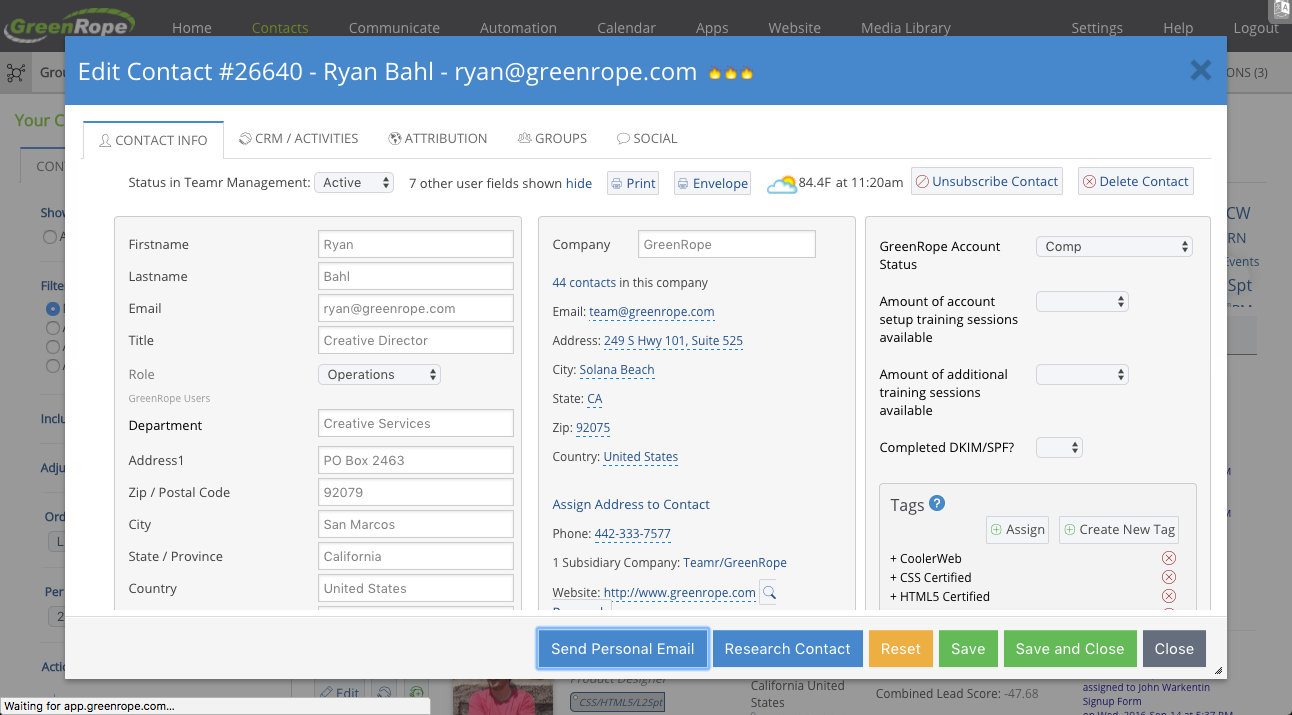
Greenrope emphasizes detailed contact grouping and segmentation. It allows custom fields and dynamic lists for precise targeting. Hubspot focuses on a clean contact interface and simple organization. It automatically tracks interactions and engagement history. Greenrope benefits users managing complex contact databases. Hubspot helps teams keep contact data straightforward and accessible.
Credit: www.olark.com
User Experience
User experience plays a key role in choosing the right CRM platform. It affects how quickly users adapt and how efficiently they work. Greenrope and HubSpot both offer strong user experiences but differ in design and features. Understanding their ease of use, customization options, and template availability helps find the best fit.
Ease Of Use And Interface
HubSpot offers a clean and simple interface that new users find friendly. Its dashboard is intuitive and guides users through tasks easily. Greenrope’s interface is functional but a bit more complex. It has many features packed into one platform, which can feel overwhelming. HubSpot scores higher in user-friendliness, especially for beginners.
Customization Options
Greenrope allows more deep customization for users who want to tailor workflows and processes. It supports custom fields, automation rules, and detailed contact grouping. HubSpot provides customization but focuses on ease rather than depth. Its options are enough for most businesses but less flexible than Greenrope’s advanced settings. Users needing detailed adjustments may prefer Greenrope.
Template Availability
HubSpot shines with a large library of pre-designed templates for emails, landing pages, and forms. These templates help users create marketing content quickly without design skills. Greenrope offers fewer templates and focuses more on building from scratch. HubSpot’s wide template variety makes it easier to launch campaigns fast and maintain a professional look.
Integration And Automation
Integration and automation play a key role in choosing the right CRM platform. They help teams save time and work more efficiently. Both Greenrope and HubSpot offer tools that connect sales and marketing efforts. Automation features reduce manual tasks and improve workflow. Understanding how each platform handles integration and automation is important for business growth.
Sales And Marketing Integration
Greenrope combines sales and marketing in one platform. It allows teams to track leads from first contact to sale. HubSpot also offers strong integration, linking marketing campaigns with sales pipelines. Both platforms help sales and marketing teams work together smoothly. Greenrope focuses on detailed contact management. HubSpot emphasizes ease of use and clear sales stages.
Workflow Automation
Greenrope provides automation for emails, follow-ups, and task assignments. It supports custom rules to trigger actions automatically. HubSpot offers pre-built automation templates that are easy to set up. Users can automate lead nurturing and deal tracking. Automation in both platforms helps reduce repetitive work. This lets teams focus on closing more deals.
Third-party App Support
HubSpot supports a wide range of third-party apps through its marketplace. It connects with popular tools like Gmail, Slack, and Zapier. Greenrope offers fewer direct integrations but supports key apps for email and calendar syncing. Both platforms allow businesses to extend their functionality. Choosing one depends on the apps your team uses most.
Pricing And Plans
Choosing the right software depends a lot on pricing and plans. Both Greenrope and HubSpot offer options for different business sizes and needs. Understanding costs and benefits helps you decide which fits your budget and goals better. Below is a clear look at their pricing structures.
Cost Breakdown
Greenrope’s pricing starts with a single package that covers CRM, marketing, and sales tools. It charges based on the number of contacts, beginning around $149 per month for up to 1,000 contacts. HubSpot offers a free basic plan with limited features. Its paid plans start at $45 per month, but costs grow as you add more contacts and features.
Greenrope bundles many features together. HubSpot separates features into Marketing, Sales, and Service Hubs. This can increase total costs if you want full functionality.
Value For Money
Greenrope gives access to multiple tools in one price, making it cost-effective for businesses needing a full suite. It suits companies wanting integrated sales and marketing without extra fees.
HubSpot’s free plan is great for startups or small teams. Paid plans offer strong tools but can get pricey as you scale. The modular structure lets you pay only for what you need.
Scalability Options
Greenrope scales pricing with your contact list size. This keeps costs predictable as your business grows. The all-in-one model supports expanding marketing and sales efforts smoothly.
HubSpot scales by adding features and increasing contact limits. You can start small and upgrade plans or add hubs. This flexibility suits businesses that grow step-by-step.
Customer Support
Customer support plays a vital role in choosing the right CRM platform. Both Greenrope and Hubspot offer support to help users navigate their tools. Understanding their support channels, response times, and resource availability helps you decide which fits your needs best.
Support Channels
Greenrope provides support via email and phone. They also offer live chat during business hours. Hubspot supports customers through email, phone, and live chat. Hubspot includes a community forum where users can share tips and solutions.
Response Times
Greenrope aims to respond within 24 hours for most queries. Priority support is faster for paying customers. Hubspot promises quicker response times, often within a few hours. Their premium plans offer even faster, dedicated support.
Resource Availability
Greenrope offers a knowledge base with guides and tutorials. Their resources focus on using the platform effectively. Hubspot has a large library of articles, videos, and courses. They also provide a free academy for learning marketing and sales skills.
Credit: www.trustradius.com
Industry Use Cases
Both Greenrope and HubSpot serve various industries with distinct strengths. Each platform fits different business needs depending on size and market focus. Understanding their industry use cases helps in choosing the right tool.
This section explores how Greenrope and HubSpot perform in small businesses, large enterprises, and niche markets. It highlights where each software excels and what types of users benefit most.
Small Business Applications
Greenrope offers affordable CRM and marketing tools for small businesses. It combines sales, marketing, and operations in one platform. This reduces costs and simplifies management for small teams.
HubSpot provides easy-to-use marketing automation and CRM tools. Small businesses appreciate HubSpot’s drag-and-drop email builders and ready templates. It helps beginners launch campaigns without technical skills.
Both platforms support lead capture and customer communication. Greenrope leans towards integration of all business functions. HubSpot shines in quick setup and user-friendly design.
Enterprise Solutions
Greenrope scales well for enterprises needing deep customer data and workflow automation. Its advanced sales tools and reporting suit complex sales processes. Enterprises can customize workflows to fit unique needs.
HubSpot offers robust enterprise features like predictive lead scoring and advanced analytics. Large companies benefit from HubSpot’s extensive integrations and marketing resources. It supports global marketing campaigns and team collaboration.
Both systems provide strong security and compliance options. Greenrope focuses on all-in-one platform efficiency. HubSpot prioritizes flexibility and third-party app connectivity.
Niche Market Suitability
Greenrope fits well with niche markets needing tailored CRM solutions. Industries such as real estate, education, and nonprofits use Greenrope for contact grouping and event management. It offers specialized tools for unique customer journeys.
HubSpot targets niches requiring content marketing and inbound lead generation. Creative agencies and tech startups favor HubSpot’s blogging, SEO, and social media tools. It supports content-rich marketing strategies.
Greenrope’s approach centers on integrated communication channels. HubSpot excels in inbound marketing and sales alignment. Each platform suits different niche demands based on business goals.
Security And Compliance
Security and compliance are critical factors when choosing a CRM platform. Both Greenrope and HubSpot prioritize protecting user data and meeting industry regulations. This section explores their approaches to data protection, compliance, and user access controls. Understanding these elements helps ensure your business stays safe and compliant.
Data Protection Measures
Greenrope uses encryption to secure data during transfer and storage. It employs firewalls and intrusion detection systems to prevent unauthorized access. HubSpot also applies strong encryption and regularly updates its security protocols. Both platforms back up data frequently to avoid loss. Their systems monitor for suspicious activity to catch threats early.
Compliance Standards
Greenrope complies with GDPR rules, protecting European users’ privacy rights. It also follows CCPA guidelines for California residents. HubSpot meets GDPR and CCPA requirements as well. Additionally, HubSpot supports HIPAA compliance for healthcare-related businesses. Both services provide tools to help users maintain compliance with legal standards.
User Access Controls
Greenrope offers role-based access to control who sees what data. Users can set permissions for different team members easily. HubSpot provides detailed user roles and permissions to limit data access. Both platforms allow administrators to track user activity. These controls reduce the risk of internal data breaches.
Credit: www.hubspot.com
Performance And Reliability
Performance and reliability are key factors for any business software. Both Greenrope and Hubspot aim to deliver smooth and consistent experiences. Users expect their tools to work without interruptions. Fast response times and stable operations help maintain productivity. Below, we explore how these platforms perform in real-world use.
System Uptime
Greenrope offers strong system uptime with minimal downtime reported. Hubspot also maintains high uptime, often exceeding 99.9%. Both platforms use reliable cloud infrastructure. Frequent updates ensure ongoing stability. Businesses can trust that their data is accessible when needed.
Speed And Responsiveness
Hubspot is known for its quick loading times and smooth navigation. Greenrope performs well but may experience slight delays during heavy data processing. Both tools optimize speed to support fast decision-making. Responsiveness is crucial for handling marketing campaigns and sales tasks without delays.
User Feedback On Stability
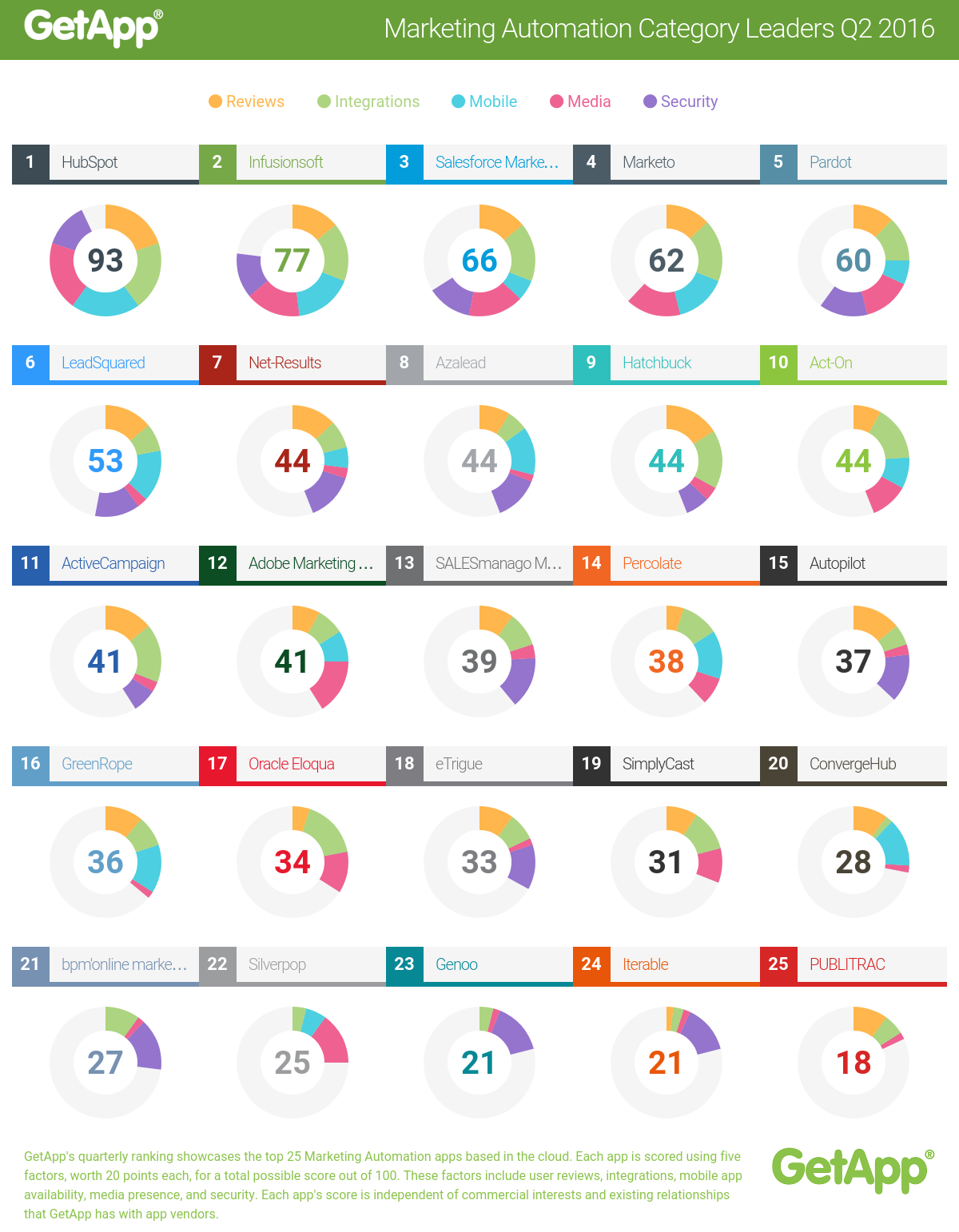
Users praise Hubspot’s consistent stability and rare crashes. Greenrope users report occasional glitches, mainly during peak usage hours. Customer support promptly addresses issues on both platforms. Overall, Hubspot tends to score higher in user satisfaction related to reliability.
Frequently Asked Questions
What Are The Main Differences Between Greenrope And Hubspot?
Greenrope offers more advanced sales tools and integrated business software features. Hubspot excels in ease of use and pre-designed marketing templates. Both provide strong marketing automation, but Greenrope focuses on contact management and grouping, while Hubspot emphasizes user-friendly CRM processes.
Which Crm Is Better For Small Businesses?
Hubspot is generally preferred by small businesses due to its intuitive interface and free starter options. Greenrope suits businesses needing deeper sales automation and integrated marketing features. Your choice depends on your team’s technical skills and specific CRM needs.
How Do Greenrope And Hubspot Handle Marketing Automation?
Both platforms deliver comprehensive marketing automation. Hubspot offers user-friendly pre-designed templates for campaigns. Greenrope provides customizable automation tools with advanced segmentation. Each platform supports email marketing, lead nurturing, and workflow automation effectively.
Is Greenrope More Customizable Than Hubspot?
Greenrope offers more customization in sales and marketing workflows. Hubspot focuses on simplicity with limited template adjustments. If tailoring every aspect of your CRM and automation is crucial, Greenrope might be the better choice.
Conclusion
Choosing between Greenrope and Hubspot depends on your business needs. Both offer strong marketing automation and CRM features. Hubspot shines with easy-to-use templates and a smooth learning curve. Greenrope provides more advanced sales tools and deeper contact management. Consider which features matter most for your workflow.
Think about your team’s skill level and growth plans. Either platform can help improve your marketing and sales efforts. The right choice supports your goals and fits your budget. Take time to explore demos and user reviews before deciding.