Are you wondering if you can connect your real estate CRM with MLS systems? If you’re managing leads, listings, and client relationships, integrating these two powerful tools could save you time and boost your sales.
But is it really possible, and how does it work? You’ll discover the benefits of linking your CRM with MLS, the options available, and what you need to consider before making the move. Keep reading to unlock the secrets that can help you streamline your workflow and close more deals faster.

Credit: accounttech.com
Mls And Crm Basics
Understanding the basics of MLS and CRM is essential for real estate professionals. Both tools serve different purposes but work together to improve business efficiency. Knowing what each system does helps agents decide how to integrate them for better results.
This section explains the core functions of MLS and CRM and how they differ.
What Is Mls?
MLS stands for Multiple Listing Service. It is a database where real estate agents list properties for sale. Agents use MLS to share information about homes with other agents and buyers. This system helps buyers find available properties quickly. MLS data is updated regularly to ensure accuracy.
What Is A Real Estate Crm?
A real estate CRM is Customer Relationship Management software. It helps agents manage contacts, leads, and client communication. CRM tools organize follow-ups, schedule appointments, and track sales progress. This system improves client relationships and boosts sales efficiency. Many CRMs offer automation to save time.
How Mls And Crm Differ
MLS focuses on property listings and market data. CRM focuses on managing client relationships and sales activities. MLS is a shared platform for agents to access property info. CRM is a private tool for managing personal business tasks. Integrating both can streamline workflows and improve client service.

Credit: www.fuzen.io
Why Integrate Mls With Crm
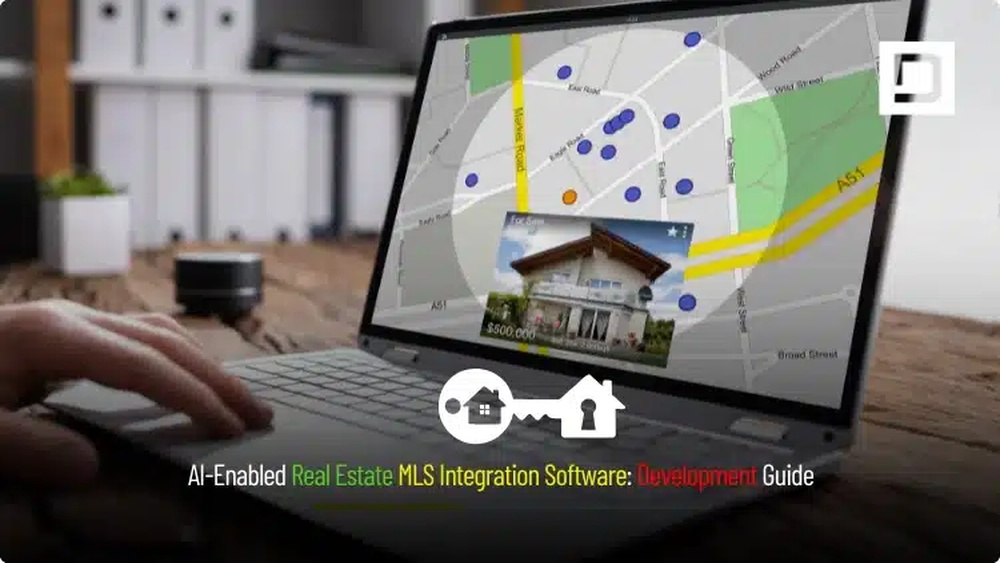
Integrating MLS with your real estate CRM is a smart move. It connects property listings with your client data. This link helps agents work faster and smarter. Agents get updated property details directly in their CRM. This reduces manual entry and errors. The integration also improves how agents track and serve clients.
Benefits Of Integration
Combining MLS with CRM saves time and increases accuracy. Agents access real-time listings without switching platforms. This leads to better property matching for clients. Data flows smoothly between systems, avoiding duplication. The integration supports better reporting and insights. Agents can make smarter business decisions with full data access.
Improving Lead Management
Integrated systems capture leads from multiple sources in one place. Agents track lead activity related to specific listings easily. The system can prioritize leads based on their search behavior. This helps focus on the most interested buyers. Automated alerts notify agents of new matching properties. Lead follow-up becomes more timely and relevant.
Streamlining Client Communication
MLS and CRM integration allows quick sharing of property info with clients. Agents send personalized listings directly from their CRM. Clients receive updates without delay, keeping them engaged. Automated emails and messages save agents time. Communication history is stored, helping agents remember client preferences. This builds trust and improves client satisfaction.
Integration Methods
Integrating a real estate CRM with MLS systems improves workflow and data access. Several methods exist to connect these platforms. Understanding each helps in choosing the best fit for your needs. Below are the main integration methods used by real estate professionals.
Api Connections
APIs allow direct communication between CRM and MLS systems. They send and receive data instantly, ensuring up-to-date property information. APIs support custom features and flexible data exchange. Developers use APIs to build tailored solutions for unique business needs. This method requires technical knowledge but offers high control.
Idx Solutions
IDX solutions display MLS listings on websites and inside CRMs. They provide easy access to property data for agents and clients. IDX tools sync listings regularly with MLS databases. Most real estate CRMs support IDX integration without complex setup. IDX is ideal for agents wanting simple listing displays.
Third-party Tools
Third-party tools connect CRMs and MLS systems without coding. These tools offer plug-and-play integration options. They automate data import, lead capture, and updates. Many popular CRMs have compatible third-party connectors available. This approach suits users seeking quick, low-effort integration.
Popular Real Estate Crms
Popular real estate CRMs help agents manage leads, contacts, and sales effectively. These tools often connect with MLS systems to streamline property data and client interactions. Choosing the right CRM depends on your needs, team size, and budget. Below are some popular real estate CRMs known for their features and MLS integration capabilities.
Follow Up Boss
Follow Up Boss focuses on lead management and distribution. It helps teams quickly assign and track leads. The system integrates well with many MLS platforms. This CRM boosts communication and follow-up efficiency. Agents can automate reminders and email sequences easily.
Sierra Interactive
Sierra Interactive offers powerful automation tools for marketing and lead nurturing. It features behavior-based triggers that improve client engagement. Sierra integrates smoothly with MLS to display accurate property data. The platform suits agents who want to automate workflows and save time.
Wise Agent
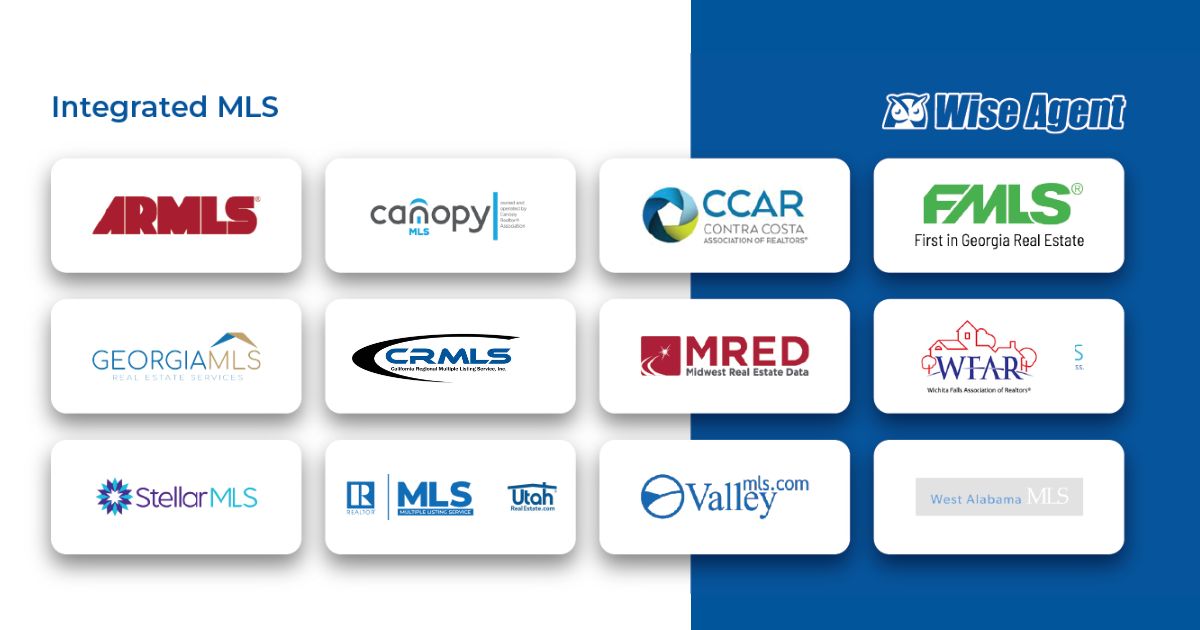
Wise Agent is an all-in-one CRM designed for agents on a budget. It combines contact management, email marketing, and transaction tracking. Wise Agent supports MLS integration, making property searches and updates simple. Its easy interface helps new users adapt quickly.
Hubspot Crm
HubSpot CRM provides a free plan with strong customization options. It allows agents to connect MLS data through third-party integrations. HubSpot supports email campaigns, contact tracking, and pipeline management. This CRM is ideal for agents wanting a flexible and cost-effective solution.
Real Geeks
Real Geeks focuses on small teams needing IDX and lead generation tools. It integrates with MLS to offer up-to-date property listings. Real Geeks includes website and marketing features to attract new clients. Its user-friendly design helps agents manage leads efficiently.
Top Producer
Top Producer specializes in lead nurturing and retention. It helps agents build long-term client relationships. The CRM integrates with MLS to provide accurate listing information. Top Producer offers tools for email marketing and follow-up reminders. It suits agents focused on client loyalty and growth.
Choosing The Right Crm For Mls Integration
Choosing the right CRM for MLS integration is essential for real estate success. The right system helps manage listings, contacts, and sales efficiently. Not all CRMs work well with MLS data, so selection matters. Consider how your team works, budget limits, and marketing needs. This ensures smooth data flow and better client service.
Team Size Considerations
Smaller teams need simple CRMs that are easy to use. Large teams benefit from systems with advanced features and user roles. A CRM that scales with your team saves time and reduces errors. Check if the CRM supports multiple users and permission settings. This helps keep data organized and secure.
Budget And Features
Set a clear budget before choosing a CRM. Basic CRMs offer core features at low cost or free. Premium CRMs include automation, reporting, and MLS integration but cost more. Compare features to your needs to avoid paying for extras. Look for transparent pricing and no hidden fees.
Automation And Marketing Needs
Automation saves time on follow-ups and lead nurturing. Choose a CRM with email campaigns and task reminders. Marketing tools like social media integration boost your reach. Some CRMs offer MLS listing alerts and client segmentation. These features help generate leads and close deals faster.
Challenges And Limitations
Integrating a real estate CRM with MLS systems offers many benefits, but also comes with challenges and limitations. These obstacles can affect how smoothly data flows and how efficiently the systems work together. Understanding these issues helps agents and brokers set realistic expectations and plan better.
Data Sync Issues
Data syncing between CRM and MLS often causes problems. MLS data updates frequently, but CRMs may lag behind. This delay creates inconsistencies in property listings and client information. Duplicate records and missing data can confuse agents and clients. Sync failures may require manual updates, which wastes time and reduces accuracy.
Compliance And Privacy
MLS systems have strict rules about data use and sharing. CRMs must follow these rules to avoid penalties. User privacy is critical, especially with client contact details. Data breaches or improper sharing can lead to legal trouble. Ensuring compliance requires ongoing monitoring and secure handling of information.
Technical Barriers
Not all CRMs support MLS integration easily. Different MLS systems use various data formats and APIs. Some CRMs need custom coding to connect properly. Technical skills and resources are necessary to manage these integrations. Without proper support, the integration may fail or perform poorly.
Steps To Integrate Mls With Crm
Integrating your MLS system with a real estate CRM enhances your workflow. It centralizes data, making client management easier. Follow clear steps for a smooth integration process.
Assessing Your Mls Access
Start by checking your MLS access rights. Confirm if your MLS allows data sharing with third-party CRMs. Some MLS systems require special permissions or fees. Verify your credentials and API availability. Understanding these details avoids integration issues.
Selecting Compatible Crm
Choose a CRM that supports MLS integration. Look for CRMs with built-in MLS connectors or API flexibility. Ensure the CRM handles listing data, updates, and client tracking. Compatibility reduces manual work and sync errors. Consider your team’s needs and budget too.
Setting Up And Testing Integration
Connect your MLS to the CRM using the provided API keys or credentials. Follow setup instructions carefully to link data fields correctly. Run tests to check if listings import properly and update in real-time. Fix any syncing problems before full use. Regular testing keeps data reliable.
Maximizing Integration Benefits
Integrating a real estate CRM with MLS systems offers many advantages. It helps agents work faster and smarter. The key is to use this integration fully to improve daily tasks and client relationships.
Maximizing these benefits means automating processes, using AI tools, and tracking results carefully. These steps save time and increase sales opportunities.
Automating Lead Distribution
Lead distribution automation sends new contacts directly to the right agents. It reduces manual work and prevents missed opportunities. Automated systems assign leads based on location, price range, or agent expertise. This ensures quick follow-up and better client service.
Using Ai For Client Nurturing
AI helps keep in touch with clients through personalized messages. It can schedule emails, reminders, and follow-ups automatically. This constant communication builds trust and keeps leads warm. AI tools analyze client behavior and suggest next steps for agents to take.
Tracking And Analytics
Tracking tools show which listings and marketing efforts perform best. Analytics reveal client interests and agent productivity. This data helps improve strategies and focus on high-value leads. Real-time reports make it easier to adjust plans quickly and boost results.
Future Trends In Mls And Crm
The future of MLS and CRM integration holds exciting possibilities. These systems will work closer together to help real estate professionals. Improved tools will make managing listings and client relationships easier. New technology will speed up daily tasks and improve decision-making. Trends show a move toward smarter, more connected platforms. These changes aim to boost productivity and client satisfaction.
Ai-powered Integrations
Artificial intelligence will play a bigger role in MLS and CRM. AI can analyze data to suggest the best leads and listings. It will automate routine tasks like follow-ups and data entry. AI-powered tools will help agents focus more on clients. Predictions about market trends will become more accurate. AI will make CRM and MLS systems smarter and faster.
Enhanced User Experience
User experience will improve with simpler, cleaner interfaces. Agents will find it easier to navigate and use features. Mobile access will become more reliable and feature-rich. Customizable dashboards will let users see important data at a glance. Faster loading times will reduce waiting and increase efficiency. A better user experience means agents spend less time on software.
Expanding Third-party Ecosystems
More third-party tools will connect with MLS and CRM systems. Integration with marketing, accounting, and communication apps will grow. This will allow agents to manage all tasks from one place. Open platforms will invite developers to create new features. Agents can pick tools that fit their specific needs. A larger ecosystem will offer more flexibility and options.
Credit: wiseagent.com
Frequently Asked Questions
Does Mls Have A Crm?
Yes, MLSListings offers Prospects CRM free for subscribers. It helps save time and boost your real estate business effectively.
What Is The Best Crm System For Real Estate?
The best real estate CRM varies by needs. Top options include Follow Up Boss for leads, Sierra Interactive for automation, Wise Agent for budget, and HubSpot for free use. Choose one that fits your team size, budget, and required features for effective contact management and sales growth.
Is Realtor.com Connected To Mls?
Realtor. com displays MLS listings but operates independently. It partners with MLSs for updated property data.
Which Crm Does Keller Williams Use?
Keller Williams uses the proprietary CRM called Command. It integrates lead management, marketing, and transaction tools in one platform. Command helps agents manage contacts, automate marketing, and track deals efficiently. This CRM supports Keller Williams’ business growth and client relationship management effectively.
Conclusion
Integrating a real estate CRM with MLS systems can boost efficiency and organization. This connection helps agents access listings and client data in one place. It saves time by reducing manual entry and errors. Choosing the right CRM depends on your team size and budget.
Simple CRMs work well for solo agents, while larger teams may need advanced features. Integration supports better lead management and faster responses. Overall, combining these tools improves workflow and client service. Consider your needs carefully to find the best fit for your business.