
Are you looking to supercharge your ecommerce business and make your marketing efforts smarter? Integrating HubSpot with your ecommerce marketing automation platform could be the game-changer you need.
Imagine having all your customer data, sales info, and marketing tools working together seamlessly in one place. This means you can create personalized campaigns, recover abandoned carts, and track your sales performance effortlessly. You’ll discover how HubSpot connects with popular ecommerce platforms like Shopify and Magento, what benefits you can expect, and how to set up these powerful integrations step-by-step.
Ready to unlock the full potential of your ecommerce marketing? Keep reading to find out how.
Credit: www.drip.com
Hubspot And Ecommerce Automation
HubSpot and ecommerce automation can work together to improve online business marketing. HubSpot offers tools that automate marketing tasks and help manage customer data. Ecommerce platforms handle product sales and customer orders. Combining these systems creates a smoother, more efficient marketing process. This integration allows businesses to send targeted messages and track customer behavior easily.
Core Marketing Automation Features
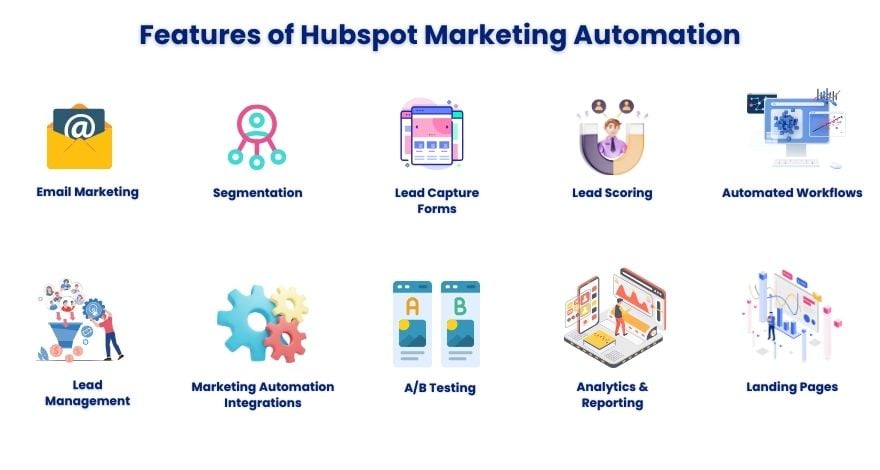
HubSpot provides many marketing automation features. It helps create email campaigns automatically based on customer actions. You can set up workflows to send messages after a purchase or when a cart is abandoned. Lead scoring ranks potential customers by their engagement level. Tracking tools monitor website visits, email opens, and clicks. These features save time and improve campaign results.
Ecommerce Capabilities In Hubspot
HubSpot supports ecommerce by syncing with popular platforms like Shopify. It imports customer, order, and product data into the CRM system. This gives a full view of customer interactions and purchase history. Automated emails can remind customers about abandoned carts or suggest related products. Sales data links to marketing campaigns to measure success. HubSpot’s ecommerce tools help create personalized shopping experiences that boost sales.
Credit: www.signitysolutions.com
Popular Ecommerce Platforms
Popular ecommerce platforms provide the foundation for many online stores. They offer tools to manage products, payments, and customers. Integrating these platforms with marketing automation helps streamline sales and marketing efforts. HubSpot works well with several top ecommerce platforms. This integration enhances customer tracking, marketing campaigns, and sales analysis.
Shopify Integration Highlights
Shopify connects smoothly with HubSpot. It allows automatic syncing of customer and order data. This helps create a complete view of each buyer inside HubSpot. Marketers can send targeted emails based on purchase behavior. Shopify data also supports abandoned cart reminders to recover lost sales. The setup is easy using HubSpot’s app from the Shopify App Store. This app syncs contacts, products, and orders with minimal manual work. Sales teams benefit from clear reports linking marketing to revenue. The integration improves customer engagement and boosts store performance.
Magento Integration Benefits
Magento integrates well with HubSpot to enhance marketing and sales. It offers deep syncing of customer profiles and order history. This data fuels personalized marketing campaigns and segmentation. Magento’s flexibility allows custom workflows within HubSpot’s automation tools. Businesses can track product performance and customer trends easily. The integration supports abandoned cart emails and post-purchase follow-ups. Magento users gain better insights into customer behavior. This leads to smarter marketing and improved conversion rates. Setting up the connection requires some technical steps but offers powerful results.
Key Integration Features
Integrating HubSpot with ecommerce marketing automation platforms offers powerful features. These features improve data flow, customer understanding, and marketing efficiency. They help businesses deliver timely messages and track sales easily.
Exploring the key integration features shows how this connection benefits your marketing efforts.
Two-way Data Sync
Data sync works both ways between HubSpot and your ecommerce platform. Contacts, products, and customer details update automatically. Orders and abandoned carts often sync one way, from ecommerce to HubSpot. This keeps your data fresh and reliable in both systems.
Unified Customer Profiles
All customer data combines in HubSpot CRM. Purchase history, website activity, and interactions appear in one place. This unified view helps create personalized marketing messages. Teams understand customer needs better and plan targeted campaigns.
Automated Marketing Workflows
Synced data triggers automated workflows in HubSpot. You can send cart reminders, welcome emails, and follow-ups after purchase. Segmentation uses customer behavior and purchase data. Automation saves time and improves customer engagement.
Sales And Roi Tracking
Linking sales data to HubSpot campaigns measures marketing success. You see which campaigns bring in revenue and customer growth. Ecommerce dashboards provide clear insights into sales and return on investment. This helps optimize marketing strategies.
Setup And Configuration
Setup is simple using HubSpot’s app in marketplaces like Shopify App Store. Pre-built field mappings reduce manual work. Connecting accounts requires only store details and authorization. After setup, data sync and workflows start running smoothly.
Integration Process
Integrating HubSpot with ecommerce marketing automation platforms involves several clear steps. This process ensures smooth data flow and effective automation. Each phase builds on the previous one to create a connected marketing system.
App Installation
Start by finding the right HubSpot app for your ecommerce platform. Most platforms offer a dedicated app or plugin. Install it directly from the app store or marketplace. This step sets the foundation for integration.
Account Connection
After installation, link your ecommerce account with HubSpot. Provide necessary permissions and login credentials. This connection allows both systems to communicate securely. Ensure you use the correct account details for seamless integration.
Data Synchronization
Next, configure what data to sync between HubSpot and your ecommerce platform. Common data types include contacts, orders, and products. Set sync rules for automatic updates. This keeps your customer and sales data accurate and up to date.
Workflow Automation
Finally, create marketing workflows using synced data. Automate emails for abandoned carts, product recommendations, and follow-ups. Customize triggers and actions to match your business needs. Automation saves time and boosts customer engagement.
Benefits For Ecommerce Growth
Integrating HubSpot with ecommerce marketing automation platforms brings clear benefits for ecommerce growth. It helps businesses create better connections with customers. Automation saves time and improves marketing accuracy. This leads to higher sales and better customer satisfaction.
Using HubSpot’s tools together with ecommerce platforms allows brands to manage all customer data in one place. Marketers can design smart campaigns that respond to customer behavior. This improves engagement and encourages repeat purchases. Below are some key benefits of this integration.
Personalized Customer Journeys
HubSpot integration enables tailored experiences for each shopper. It tracks customer actions and preferences. Marketers can send targeted messages based on browsing or buying habits. Personalized emails and offers build stronger relationships. Customers feel valued and are more likely to return.
Abandoned Cart Recovery
Many shoppers leave items in their carts without buying. HubSpot automation can send timely reminders to recover these sales. Automated emails encourage customers to complete their purchases. This reduces lost revenue and boosts conversion rates. The process runs smoothly without manual effort.
Segmentation And Targeting
HubSpot helps divide customers into groups based on their behavior and interests. Marketers can target each segment with relevant content. Segmentation improves campaign performance by delivering the right message to the right audience. It also increases customer engagement and loyalty.
Performance Analytics
Integration provides detailed reports on marketing and sales results. HubSpot shows how campaigns impact ecommerce performance. This data helps businesses make informed decisions. Marketers can optimize strategies and improve return on investment. Real-time insights keep teams agile and focused.
Challenges And Considerations
Integrating HubSpot with ecommerce marketing automation platforms presents several challenges. These issues require careful thought before starting integration. Addressing them early helps ensure smoother data flow and better marketing outcomes.
Data Accuracy And Consistency
Data must be accurate across both platforms for effective marketing. Mismatched or incomplete data can cause errors in customer targeting. Ensure that customer details, orders, and product information sync correctly. Regular checks prevent data discrepancies that reduce campaign effectiveness.
Integration Limitations
Not all features of HubSpot and ecommerce platforms work together perfectly. Some automation tasks may not be supported. Limitations exist in syncing certain data types or fields. Review the integration capabilities before committing to avoid surprises. Choose platforms that cover your essential marketing needs.
Ongoing Maintenance
Integration requires continuous monitoring and updates. Software changes on either side may disrupt data flow. Regularly update connectors and test syncing functions. Allocate resources for troubleshooting and fixing issues quickly. Consistent maintenance keeps automation running smoothly over time.
Tips For Maximizing Integration
Maximizing the integration of HubSpot with ecommerce marketing automation platforms boosts your marketing success. It helps streamline workflows, improve customer targeting, and increase sales. Applying the right tips ensures smooth data flow and efficient campaign management.
Leverage Pre-built Templates
Use HubSpot’s pre-built templates for emails, workflows, and landing pages. These templates save time and maintain consistency in your campaigns. They are designed to work well with ecommerce data and marketing goals.
Customize templates to fit your brand and audience. This keeps messages relevant and engaging. Pre-built templates reduce errors and speed up campaign launches.
Regular Data Audits
Perform regular audits of your synced data between HubSpot and your ecommerce platform. Check for duplicate contacts, missing information, and sync errors. Clean data improves campaign accuracy and reporting.
Schedule audits monthly or quarterly. Use HubSpot’s reporting tools to identify discrepancies. Accurate data ensures personalized marketing reaches the right customers.
Combine Crm And Marketing Tools
Link your ecommerce CRM and marketing tools within HubSpot for a unified customer view. This helps track customer behavior and purchase history in one place. Use this data to create targeted marketing campaigns.
Sync product details, order status, and customer interactions. This integration allows automated follow-ups, abandoned cart reminders, and loyalty programs. Combining tools boosts customer engagement and sales.
Credit: www.jasper.ai
Frequently Asked Questions
Does Hubspot Do Marketing Automation?
Yes, HubSpot offers robust marketing automation tools. It helps automate email campaigns, lead nurturing, and customer segmentation efficiently.
Does Hubspot Have An Ecommerce Platform?
HubSpot does not offer a native eCommerce platform. It integrates seamlessly with platforms like Shopify for eCommerce marketing and automation.
Can Hubspot Integrate With Shopify?
Yes, HubSpot integrates seamlessly with Shopify. It syncs customer, product, and order data for unified marketing and sales automation. Installation is easy via the HubSpot App Marketplace, enabling personalized campaigns and sales tracking through automated workflows and a centralized CRM.
Does Hubspot Integrate With Magento?
Yes, HubSpot integrates with Magento through third-party connectors. This syncs customer, order, and product data for marketing automation and sales tracking.
Conclusion
Integrating HubSpot with ecommerce marketing automation platforms brings clear benefits. It connects customer data and sales info in one place. This helps create personalized campaigns and track performance easily. Syncing platforms like Shopify with HubSpot simplifies marketing tasks and saves time.
Businesses can send timely emails and reminders based on real customer actions. The setup process is straightforward and does not require advanced skills. Overall, using HubSpot with ecommerce tools supports smarter marketing and better customer engagement. It’s a practical step for growing online stores.