Are you managing commercial real estate deals and wondering if your CRM can work seamlessly with your accounting software? Integrating these two powerful tools could be the game-changer your business needs.
Imagine having your property data, client details, deal progress, and financial records all connected in one place—saving you time, reducing errors, and boosting your productivity. You’ll discover how linking your commercial real estate CRM with accounting software can simplify your workflow and help you make smarter decisions.
Ready to unlock the full potential of your tools? Let’s dive in.
Credit: agorareal.com
Benefits Of Integration
Integrating commercial real estate CRM with accounting software offers many benefits. It connects data and processes in one system. This makes managing your business easier and faster.
Integration reduces manual work and helps avoid mistakes. Your team can work better together with clear, shared information. Financial details stay accurate, improving your business decisions.
Streamlining Workflows
Integration links CRM and accounting tasks smoothly. Data flows automatically between systems without manual input. This saves time and cuts down repetitive work. Your team completes tasks faster with fewer steps. Work becomes more organized and less stressful.
Reducing Data Entry Errors
Manual data entry can cause errors and inconsistencies. Integration eliminates repeated typing and copying of data. Information entered once updates across all platforms. This lowers the chance of mistakes and missing details. Accurate data improves client trust and internal reporting.
Improving Financial Accuracy
Accounting software receives real-time updates from the CRM. Invoices, payments, and expenses sync automatically. This keeps financial records current and reliable. You get better insights into cash flow and profits. Accurate numbers help with budgeting and tax filing.
Enhancing Team Collaboration
Teams access shared data in both CRM and accounting tools. Sales, finance, and management stay informed about deals and payments. Everyone works from the same updated information. Communication improves and decisions become faster. Collaboration increases overall business efficiency.
Popular Cre Crms
Popular Commercial Real Estate (CRE) CRMs offer various tools to manage clients, properties, and deals efficiently. These platforms help organize data, track leads, and improve communication. They also support integration with accounting software, streamlining financial management.
Each CRM has unique strengths to suit different team sizes and needs. Understanding these options helps choose the best fit for your business.
Salesforce Customization
Salesforce stands out for its high customization options. It adapts to complex CRE workflows and supports large teams. Users can build custom pipelines and reports. The platform integrates well with many accounting systems. This flexibility suits businesses requiring tailored solutions.
Apto And Clientlook Features
Apto and ClientLook focus specifically on CRE needs. They include tools for property tracking, lease management, and tenant information. These CRMs offer detailed client and property data. Integration with accounting software helps sync financial details. They are ideal for teams wanting industry-specific functions.
Hubspot Marketing Focus
HubSpot excels in marketing automation and lead nurturing. It connects sales and marketing efforts smoothly. The CRM supports email campaigns and tracks client interactions. HubSpot integrates with various accounting platforms to align sales data with finance. This focus benefits teams aiming to grow leads and close deals.
Pipedrive User Experience
Pipedrive offers an intuitive visual pipeline for easy deal tracking. It suits smaller teams and individual brokers. The mobile app enhances productivity on the go. Pipedrive connects with many third-party tools, including accounting software. Its simple design makes managing sales straightforward.
Resimpli All-in-one Solution
REsimpli combines communication, task management, and follow-ups in one platform. It helps investors and brokers stay organized. The CRM supports text, calls, and email integration. It links with accounting systems to keep financials updated. REsimpli is a user-friendly option for all-in-one CRE management.
Top Accounting Software
Choosing the right accounting software is crucial for managing commercial real estate finances smoothly. The best tools offer features that simplify bookkeeping, track expenses, and generate reports. Integration with your CRM system can save time and reduce errors.
Here are some of the top accounting software options tailored to different real estate needs. Each one fits various business sizes and goals.
Buildium For Property Management
Buildium is made for property managers handling multiple units. It offers rent collection, expense tracking, and financial reporting in one place. Buildium integrates well with popular CRMs, helping to streamline workflow and improve data accuracy.
Appfolio For Large Portfolios
AppFolio suits businesses with large real estate portfolios. It includes tools for accounting, leasing, and maintenance requests. The software supports automation and connects easily with CRM platforms to keep tenant and financial data synced.
Yardi Breeze For Developers
Yardi Breeze is designed for real estate developers and smaller property owners. It simplifies accounting and property management tasks. Its user-friendly interface allows smooth integration with CRM systems to enhance business operations.
Quickbooks Online For General Use
QuickBooks Online is a widely used accounting solution across industries. It provides basic bookkeeping, invoicing, and expense tracking. Many commercial real estate CRMs offer plugins or APIs to connect with QuickBooks, making it a versatile choice.
Stessa And Reihub For Investors
Stessa and REIHub focus on real estate investors. They offer tools for tracking income, expenses, and property performance. Both platforms can integrate with CRM tools to provide a clear view of investment and client data together.
Integration Methods
Integrating commercial real estate CRM with accounting software improves efficiency and accuracy. Various methods exist to link these systems. Choose the best fit based on your needs, technical skills, and budget. Integration ensures data flows smoothly between platforms. It reduces manual entry and errors in financial records. Below are common integration methods for CRE CRM and accounting software.
Native Integrations
Native integrations are built directly by software providers. They offer seamless connection without extra tools. These integrations are usually easy to set up. They ensure real-time data updates between CRM and accounting software. Native options often cover basic syncing needs like invoices and payments. They provide reliable performance and support from vendors. However, they may have limited customization options.
Third-party Connectors
Third-party connectors act as bridges between CRM and accounting systems. Popular platforms like Zapier or Integromat offer these connectors. They enable data transfer without coding knowledge. Connectors support various triggers and actions between apps. They allow flexible workflows and automation. These tools help connect less common software combinations. Some technical setup might be required to match data fields.
Custom Api Solutions
Custom API solutions use programming interfaces to build tailored integrations. Developers create specific data flows based on business needs. APIs allow full control over which data syncs and how it behaves. This method supports complex processes and unique software features. Custom solutions require developer skills and more time to build. They provide the most precise and scalable integration option.
Data Synchronization Techniques
Data synchronization keeps information consistent across CRM and accounting software. Common techniques include real-time syncing and scheduled batch updates. Real-time syncing updates data instantly after changes. Scheduled syncing transfers data at set intervals, like daily or hourly. Syncing methods depend on software capabilities and integration goals. Proper synchronization avoids data duplication and errors. It ensures accurate financial and client records.
Key Features To Sync
Syncing your commercial real estate CRM with accounting software improves workflow and accuracy. It ensures data flows smoothly between sales and finance teams. Focus on syncing key features that matter most for daily operations. These features help maintain consistency and save time.
Deal And Pipeline Data
Sync deal and pipeline data to track sales progress clearly. Updates in your CRM reflect in accounting software instantly. It helps avoid duplicate entries and errors. You can monitor deal stages and expected revenue in one place. This sync keeps both teams informed and aligned.
Client And Property Records
Client and property records need to stay consistent across systems. Sync contact details, lease agreements, and property information automatically. This reduces manual work and prevents missing data. Both sales and finance teams access the same, up-to-date details. It improves client service and record accuracy.
Financial Transactions
Sync financial transactions such as invoices, payments, and expenses. This ensures your accounting software captures all money flow related to deals. It helps track commissions, rent payments, and costs without extra work. Accurate financial data supports budgeting and tax compliance.
Reporting And Analytics
Combine data from CRM and accounting software for better reports. Syncing allows you to generate comprehensive sales and financial reports. It reveals trends, cash flow, and deal performance easily. Access to unified analytics helps make smarter business decisions faster.
Choosing The Right Tools
Choosing the right tools to integrate commercial real estate CRM with accounting software is crucial. The right combination improves workflow, data accuracy, and decision-making. It also saves time by reducing manual data entry. Focus on tools that fit your business needs and growth plans. Consider factors like business size, accounting demands, and user experience. This ensures the software works well together and supports your team’s productivity.
Matching Crm To Business Size
Small businesses need simple, easy-to-use CRM systems. These systems should cover basic contact and deal management. Larger firms require robust CRMs with customization options. These handle complex workflows and large data volumes. Choose a CRM that matches your current size. It should also support growth without needing a full system change.
Accounting Needs By Portfolio Type
Different portfolio types create different accounting needs. Rental properties need detailed rent tracking and expense management. Commercial sales require complex transaction records and tax reporting. Match your accounting software to these needs. Integration works best when both systems cover specific financial details. This reduces errors and improves financial reporting.
Scalability And Flexibility
Choose tools that grow with your business. Scalability means the software handles more users and data smoothly. Flexibility means easy adjustments to workflows or features. Look for CRMs and accounting software with modular designs. They allow adding features or integrations later. This saves money and effort as your portfolio expands.
User Experience And Support
Good user experience boosts team adoption and efficiency. Select software with intuitive interfaces and clear navigation. Training resources and responsive support are vital. They help solve issues quickly and reduce downtime. Check reviews and demos to gauge usability. Strong customer support ensures smooth integration and ongoing success.
Challenges And Solutions
Integrating commercial real estate CRM with accounting software offers many benefits. Yet, it comes with several challenges. These challenges can affect data flow, security, costs, and user adoption. Understanding these issues helps in finding effective solutions. This section explores common challenges and ways to overcome them.
Data Compatibility Issues
Different software often uses varied data formats. This causes problems in syncing information accurately. Missing or duplicated data may result from these differences. To solve this, use middleware or API connectors that translate data. Regular data audits help keep information consistent. Choosing software with open integration standards reduces compatibility problems.
Maintaining Data Security
Data security is critical when linking CRM with accounting tools. Sensitive financial and client data must stay protected. Encryption and secure transfer protocols prevent unauthorized access. Limit user permissions to reduce risks. Use software vendors who comply with industry security standards. Regular security reviews and updates are vital to maintain safety.
Managing Integration Costs
Integrating two systems can be expensive. Costs include software licenses, development, and maintenance. Unexpected expenses may arise during implementation. To manage costs, plan the budget carefully. Choose scalable solutions that grow with your business. Consider cloud-based options to lower infrastructure costs. Evaluate the return on investment before integration.
Training And Adoption
Users must learn how to work with integrated systems. Poor training leads to low adoption and errors. Provide simple, clear training materials and sessions. Encourage feedback and continuous learning among staff. Choose user-friendly software to ease the learning curve. Support from management boosts user motivation and proper use.
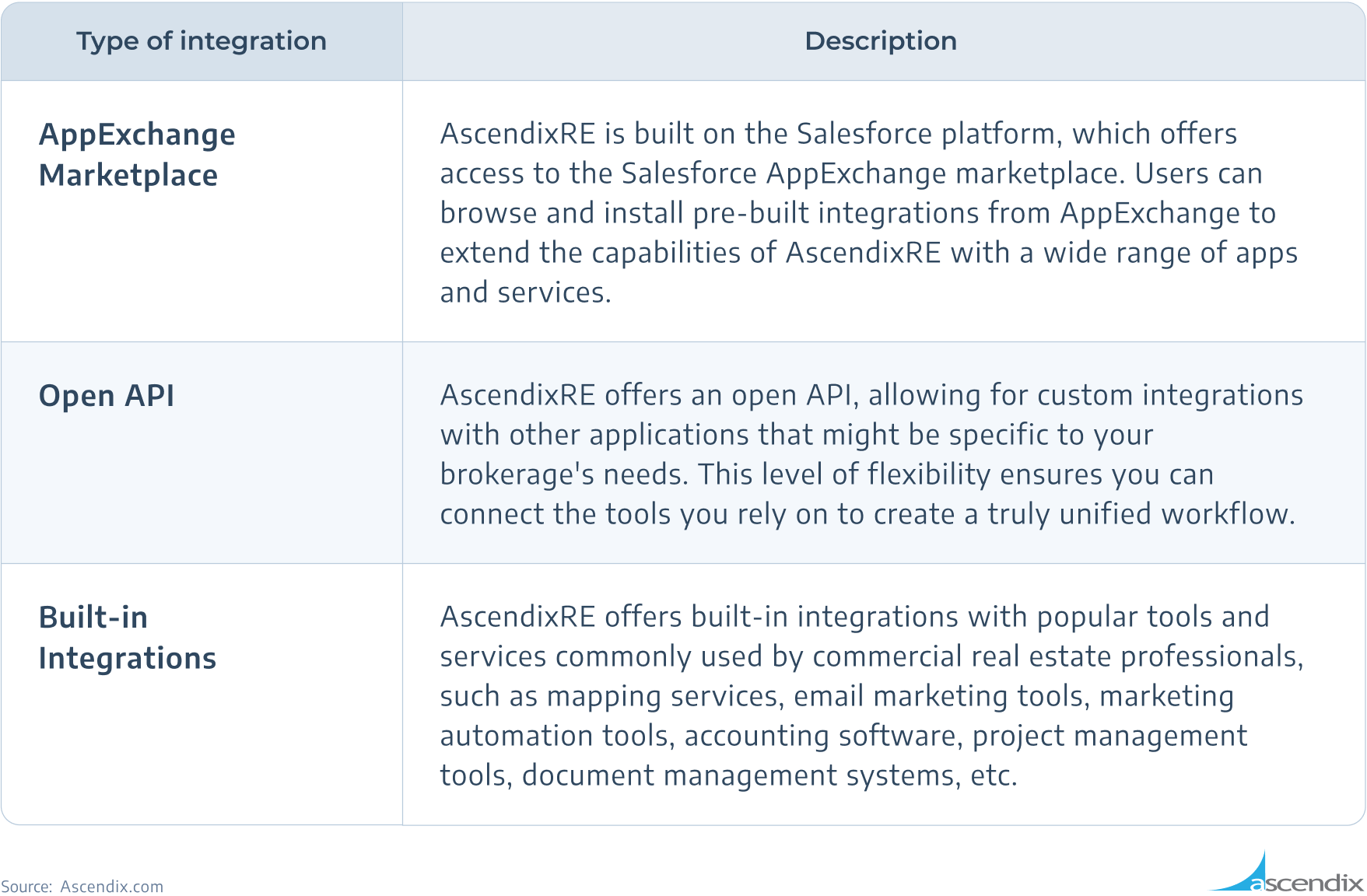
Credit: ascendix.com
Boosting Efficiency Tips
Boosting efficiency is crucial when integrating commercial real estate CRM with accounting software. Streamlining workflows saves time and reduces errors. This leads to better productivity and smoother operations. Implementing simple strategies can make a big difference.
Automating Routine Tasks
Automation cuts down manual work. Tasks like data entry, invoicing, and report generation run automatically. This frees up your team to focus on high-value activities. Automation improves accuracy and speeds up processes.
Regular Data Audits
Check your data often to maintain accuracy. Regular audits identify errors and inconsistencies early. Clean data supports better decision-making and financial reporting. Set a schedule for routine data reviews and corrections.
Leveraging Mobile Access
Accessing CRM and accounting tools on mobile devices boosts flexibility. Teams can update information and check reports anytime, anywhere. Mobile access ensures faster responses and better communication. It keeps your business connected on the go.
Continuous Process Improvement
Review workflows regularly to find improvement areas. Collect feedback from users to understand challenges. Implement small changes to enhance efficiency over time. Continuous improvement helps your system stay effective and user-friendly.

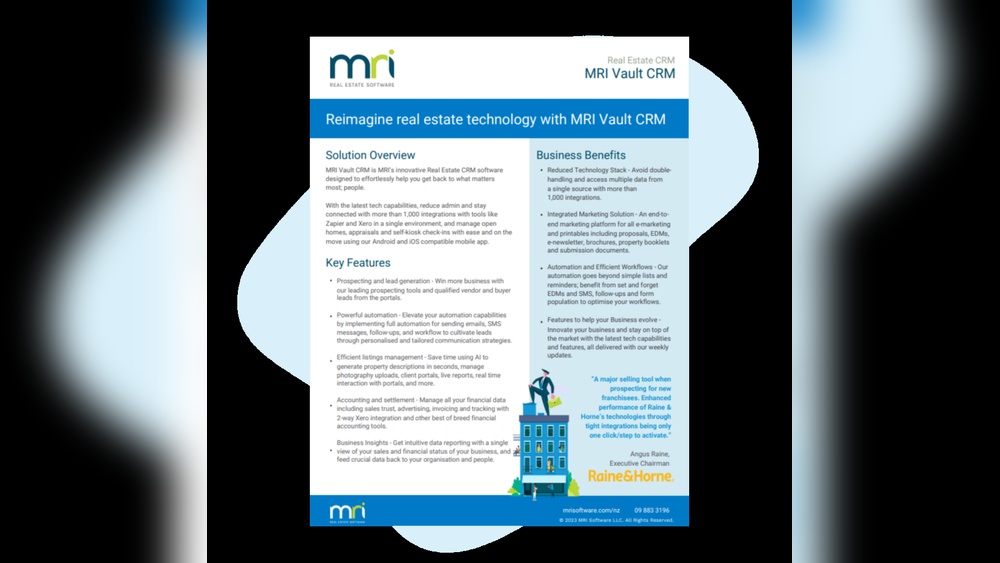
Credit: www.mrisoftware.com
Frequently Asked Questions
What Is The Best Crm For Commercial Real Estate?
The best CRM for commercial real estate includes Salesforce for customization, Apto and ClientLook for CRE focus, HubSpot for marketing, and Pipedrive for sales ease. Key features are deal tracking, property management, mobile access, and integration with listing sites like LoopNet.
Do Accounting And Real Estate Go Together?
Yes, accounting and real estate complement each other by managing finances, tracking expenses, and ensuring accurate tax reporting. Accurate accounting supports profitable real estate investments and business decisions.
What Is The Best Accounting Software For Real Estate?
The best accounting software for real estate includes QuickBooks, Buildium, and AppFolio. They offer property management and financial tracking. These tools streamline rent collection, expense tracking, and reporting, helping real estate professionals manage finances efficiently.
Can You Use Quickbooks For Real Estate?
QuickBooks works well for real estate by managing expenses, tracking income, and handling invoices. It supports property and client organization efficiently.
Conclusion
Integrating commercial real estate CRM with accounting software improves data accuracy. It saves time by reducing manual entry. Your team can access financial and client information in one place. This integration supports better decision-making and faster reporting. Choose tools that fit your business size and needs.
Testing integration before full adoption avoids workflow disruptions. Clear benefits come from combining these systems effectively. Explore options and plan carefully for smooth integration success.