Are you wondering if you can use Outlook as a CRM to manage your contacts, sales, and customer interactions more effectively? You’re not alone.
Many professionals rely on Outlook every day for emails and calendars, but what if it could also help you organize your customer relationships without jumping between multiple apps? While Outlook isn’t a full-fledged CRM out of the box, with the right tools and add-ins, it can become a powerful hub for tracking deals, scheduling follow-ups, and keeping your customer info all in one place.
You’ll discover how Outlook can work as a CRM, what features you can unlock, and whether it’s the right fit for your business needs. Ready to see if Outlook can simplify your customer management? Let’s dive in.
Credit: dmc-nordic.com
Outlook As A Crm Hub
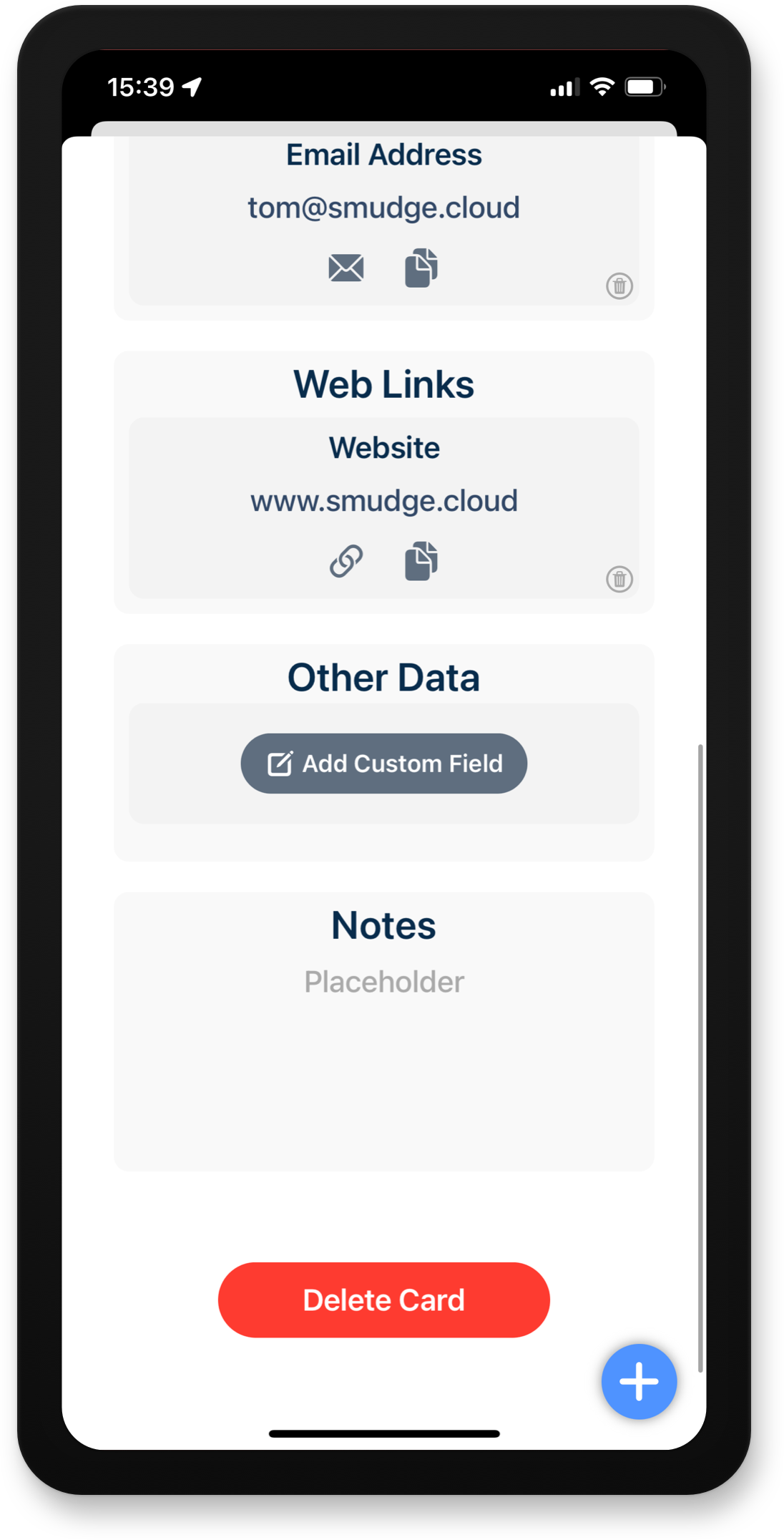
Microsoft Outlook is more than just an email tool. It can act as a basic CRM hub for small businesses. Outlook lets you organize customer emails, contacts, and appointments in one place.
This makes it easier to track customer interactions without switching apps. Many users appreciate how Outlook keeps communication and scheduling together. It offers simple ways to manage client details and follow-ups.
Core Outlook Features For Crm
Outlook offers key features that support customer management. You can create and store contact lists with detailed information. Emails link directly to these contacts for easy access.
The calendar helps schedule meetings and reminders for follow-ups. Tasks and notes keep track of important client actions. Categories and flags prioritize emails related to customers.
Templates speed up sending common messages. Search tools find customer data quickly. These features form a basic CRM framework within Outlook.
Limitations Of Native Outlook
Outlook lacks advanced CRM functions like pipeline tracking or sales forecasting. It does not provide detailed reports or analytics on customer data. Collaboration features are limited compared to full CRM systems.
Automation beyond simple tasks is missing. It cannot handle complex workflows or integrate deeply with other business tools. Managing large customer databases can become difficult.
These limits mean Outlook alone fits only small-scale CRM needs. Growing businesses may find it insufficient.
When To Consider Add-ins
Add-ins extend Outlook’s CRM capabilities. They add tools for deal tracking, customer history, and sales analytics. Many sync data with existing CRM platforms.
Use add-ins to automate workflows and improve team collaboration. They often offer better user interfaces and reporting. Add-ins help scale CRM functions without leaving Outlook.
Choose an add-in if you need more than contact management and emails. They turn Outlook into a more powerful CRM hub.
Key Crm Features Via Outlook Integrations
Outlook can do more than just manage your emails. It can also offer key CRM features through various integrations. These features help keep customer information organized and accessible. They improve communication and sales tracking, all within Outlook’s familiar environment.
Using Outlook as a CRM lets you work faster and smarter. It combines emails, contacts, calendars, and tasks into one place. The right integrations add powerful tools that help manage customer relationships effectively.
Unified Customer View
Outlook integrations create a single view of each customer. You see emails, meetings, and notes together. This helps understand customer needs quickly. No need to switch apps or search for information.
Email And Calendar Sync
Your emails and calendar events link automatically to customer records. This ensures all communication is tracked. Meetings and calls appear alongside emails in one place. Staying organized becomes easier and saves time.
Contact Management
Add new contacts directly from emails in Outlook. Update contact details without leaving your inbox. This keeps your customer list current and accurate. Managing contacts becomes simple and efficient.
Deal And Opportunity Tracking
Track sales deals and opportunities within Outlook. See the status of each deal at a glance. Update progress and next steps as you work. This helps keep sales moving forward smoothly.
Task Automation
Create follow-up tasks from emails with a few clicks. Automate reminders to stay on top of customer needs. Tasks link directly to customer records for easy access. This reduces missed opportunities and improves productivity.
Popular Crm Add-ins For Outlook
Outlook can become a powerful CRM tool with the right add-ins. These add-ins add CRM features directly inside Outlook. They help manage contacts, track deals, and organize customer information. Using these tools makes Outlook more than just an email client. It turns Outlook into a simple and effective CRM platform.
Eway-crm
eWay-CRM works inside Outlook without switching apps. It shares emails, contacts, and tasks across teams. It tracks sales, projects, and customer communication in one place. eWay-CRM syncs data in real time for smooth collaboration. It suits small to medium businesses wanting a full CRM in Outlook.
Salesoutlook
SalesOutlook connects your emails to CRM contacts automatically. It shows customer details as you read emails. SalesOutlook tracks customer interactions and sales pipelines. It simplifies follow-ups by creating tasks from your inbox. This add-in helps sales teams stay organized in Outlook.
Microsoft Sales Copilot
Microsoft Sales Copilot uses AI to improve sales workflows. It integrates with Outlook and Teams to gather customer insights. Sales Copilot helps prioritize leads and automate routine tasks. It updates records and suggests next steps. This tool fits users wanting AI support inside Microsoft apps.
Power-crm
Power-CRM adds deep CRM features inside Outlook’s interface. It links emails, calendars, and contacts to CRM records. Power-CRM tracks deals and customer journeys smoothly. It allows creating reports without leaving Outlook. This add-in suits users needing advanced CRM functions in Outlook.

Credit: dmsiworks.com
Setting Up Outlook For Crm Use
Setting up Outlook for CRM use helps you manage customer relationships efficiently. Outlook offers flexible tools to track contacts, emails, and tasks. You can enhance its functionality with add-ins and custom settings. This section explains how to prepare Outlook for CRM activities.
Installing And Managing Add-ins
Add-ins extend Outlook’s features to support CRM tasks. To install add-ins, open Outlook and go to the “Get Add-ins” menu. Search for CRM-related tools like Salesflare or eWay-CRM. Click “Add” to install the chosen add-in. Manage your add-ins anytime from the same menu. Disable or remove those not needed to keep Outlook running smoothly.
Customizing Contact Fields
Default contact fields in Outlook may not fit your CRM needs. Customize these fields to track relevant customer details. Open a contact and select “View More” or “Custom Fields.” Add new fields such as “Customer Type” or “Last Contact Date.” Save changes to keep customer data organized. This helps you find key information quickly.
Using Categories And Notes
Categories help classify contacts and emails by type or priority. Assign colors and names to categories for easy identification. Use notes to add extra details about meetings or customer preferences. Open a contact or email, then add notes in the designated section. This keeps all information in one place and improves follow-up actions.
Creating Templates And Signatures
Templates save time by reusing common email texts. Create message templates for regular CRM communication like follow-ups or reminders. Use Outlook’s “Templates” feature to design and save these messages. Also, set up personalized email signatures for professionalism. Include contact info and company details in signatures. This creates consistency in your customer emails.
Boosting Productivity With Outlook Crm
Using Outlook as a CRM can enhance how you manage your customer relationships. It combines email, calendar, and task management in one place. This integration helps increase efficiency and saves time. Outlook CRM tools offer features to automate routine work and keep track of your sales process. Teams can collaborate better by sharing information effortlessly. AI tools within Outlook CRM further help by providing smart suggestions and insights. These capabilities make Outlook a useful option for boosting productivity.
Automating Follow-ups And Tasks
Outlook CRM lets you set automatic reminders for follow-ups. You can create tasks directly from emails. This reduces the chance of missing important actions. Automation helps keep your daily work organized and on schedule. It also frees up time to focus on more critical tasks. Simple automation in Outlook improves your workflow without extra effort.
Tracking Sales Pipelines
With Outlook CRM, you can manage your sales pipeline efficiently. It tracks deals and customer progress in one place. You can update status and add notes easily. This helps maintain a clear overview of your sales activities. Keeping the pipeline visible ensures no opportunity is forgotten. It supports better planning and forecasting for sales teams.
Collaborating With Teams
Outlook CRM supports team collaboration by sharing contact and task information. Team members see updates in real-time. This reduces misunderstandings and duplicate work. Shared calendars and emails improve communication. Teams work more smoothly when all data is accessible. Collaboration tools in Outlook help keep everyone on the same page.
Leveraging Ai Tools
AI features in Outlook CRM provide helpful suggestions and insights. They analyze your emails and meetings to prioritize actions. AI can recommend next steps for leads and customers. This smart assistance speeds up decision-making. It also helps you stay focused on high-value tasks. Using AI in Outlook CRM adds intelligence to your daily work.
Credit: www.linkpoint360.com
Comparing Outlook Crm To Dedicated Systems
Choosing between Outlook as a CRM and dedicated CRM systems depends on your business needs. Outlook offers basic customer management tools within your email client. Dedicated CRM systems provide specialized features designed solely for customer relationships. Understanding the differences helps pick the right tool for your work.
Cost And Scalability Considerations
Outlook CRM options often cost less than full CRM software. Many rely on add-ins, which may have free or low-cost plans. Dedicated CRM systems usually require monthly fees that grow with users and features. For small teams, Outlook’s low cost suits limited budgets. Larger businesses may need scalable CRM platforms that handle growth smoothly.
Feature Gaps And Workarounds
Outlook lacks some advanced CRM features like detailed reporting and automation. It focuses mostly on contact and email management. Users find workarounds by adding third-party tools or custom templates. Dedicated CRM platforms offer built-in tools for sales tracking, marketing, and analytics. Outlook’s simpler setup might suit basic needs but limits complex workflows.
Best Use Cases For Outlook Crm
Outlook works well for small businesses with simple CRM needs. It fits teams already using Microsoft 365 tools daily. Salespeople who want quick contact tracking without switching apps benefit most. Outlook CRM suits businesses with low budgets and fewer customer interactions. For fast setups and email-centered work, Outlook is a practical choice.
Frequently Asked Questions
Does Outlook Have A Crm Feature?
Outlook lacks a built-in CRM but supports powerful CRM features through add-ins. It manages contacts, emails, tasks, and sales pipelines efficiently. Microsoft and third-party tools integrate seamlessly, turning Outlook into a functional CRM hub for businesses.
Does Microsoft Office Have A Crm Tool?
Microsoft Office does not include a built-in CRM tool. Outlook can function as a basic CRM with add-ins and integrations. Microsoft also offers Sales Copilot and Power Platform to enhance CRM capabilities within Office apps.
What Is The Best Crm For Outlook?
The best CRM for Outlook integrates seamlessly, like Microsoft Sales Copilot, eWay-CRM, or SalesOutlook. They sync emails, contacts, and tasks efficiently. These tools enhance Outlook’s functionality, offering unified contact management, deal tracking, and task automation for better sales and customer relationships.
What Are The 4 Types Of Crm?
The 4 types of CRM are operational, analytical, collaborative, and strategic. Each focuses on different customer relationship aspects.
Conclusion
Outlook can serve as a basic CRM with the right setup. It helps track emails, contacts, and appointments in one place. Using add-ins boosts its CRM functions effectively. Still, it may lack some advanced CRM features. For simple customer management, Outlook is a useful tool.
Consider your business needs before choosing Outlook as your CRM. It offers convenience but might need extra apps for full CRM power.