Choosing the right marketing automation and CRM platform can make or break your business growth. If you’re torn between HubSpot and Salesfusion, you’re not alone.
Both promise powerful tools to boost your sales and marketing efforts, but which one truly fits your needs? You’ll discover clear, straightforward insights to help you decide. Whether you want something easy to use or a platform packed with advanced features, understanding the key differences will save you time, money, and frustration.
Keep reading to find out which solution aligns best with your goals and how to get the most from your investment.
Credit: www.mediapost.com
Platform Overview
Choosing the right marketing automation platform shapes your business growth. Both HubSpot and Salesfusion offer solid tools. Understanding their platform features helps pick the best fit for your needs. Here is a clear look at what each platform provides.
Hubspot Features
HubSpot offers an all-in-one platform for marketing, sales, and service. It includes email marketing, lead management, and social media tools. The platform supports content management with an easy-to-use blog editor. HubSpot’s CRM integrates seamlessly, providing a full view of customer interactions.
Automation is simple with drag-and-drop workflow builders. Reporting tools give clear insights into campaign performance. The platform also offers SEO recommendations and landing page creation. HubSpot aims to help small and medium businesses grow efficiently.
Salesfusion Features
Salesfusion focuses on lead nurturing and marketing automation. It offers email marketing, lead scoring, and campaign management tools. The platform integrates with many CRMs, helping sales and marketing alignment. Salesfusion supports multi-channel marketing, including social and event marketing.
Users can create personalized campaigns using detailed customer data. Automation workflows guide leads through the sales funnel. Salesfusion provides analytics to measure campaign impact and ROI. Its design targets businesses that want to enhance their marketing efforts with automation.
Credit: zordial.com
User Experience
User experience plays a crucial role in choosing the right marketing automation platform. It affects how quickly users adopt the software and how efficiently they complete tasks. Both HubSpot and Salesfusion offer unique experiences that cater to different user needs. Understanding these differences helps businesses pick a tool that fits their team’s skills and workflow.
Ease Of Use Comparison
HubSpot stands out for its clean and modern interface. It uses simple menus and clear icons, making navigation straightforward. Users can access key features with just a few clicks. Salesfusion has a more traditional dashboard that some users find cluttered. It requires more clicks to reach certain functions. HubSpot’s layout suits beginners and small teams. Salesfusion may appeal to users familiar with older marketing tools.
Learning Curve Differences
HubSpot offers many tutorials and in-app guidance. This support lowers the learning curve for new users. Most users can start basic campaigns within hours. Salesfusion has fewer learning resources and a steeper learning curve. It demands more time to explore its advanced features. Teams with marketing automation experience may adapt faster. New users might need extra training to use Salesfusion effectively.
Marketing Automation Capabilities
Marketing automation helps businesses save time and improve customer engagement. Both HubSpot and Salesfusion offer solid tools to automate marketing tasks. Understanding their strengths in automation can guide your choice between these platforms.
Email Marketing Tools
HubSpot provides easy-to-use email templates and personalization options. It tracks email performance like open rates and clicks in real time. Salesfusion also offers customizable email designs and automation triggers. Its analytics focus on improving campaign results through testing and segmentation.
Lead Management
HubSpot organizes leads with detailed profiles and scoring based on behavior. It simplifies lead nurturing with automated workflows and timely follow-ups. Salesfusion manages leads by capturing data from multiple sources. It helps prioritize leads using scoring models and assigns tasks to sales teams.
Campaign Automation
HubSpot allows users to build complex workflows using a visual editor. It supports multi-channel campaigns that include email, social media, and ads. Salesfusion also provides drag-and-drop automation tools. It integrates various channels and tracks customer journeys to optimize campaigns.
Integration And Customization
Integration and customization are vital for marketing platforms. They help connect tools and tailor features to specific business needs. HubSpot and Salesfusion both offer options, but they differ in scope and flexibility.
Choosing the right platform means understanding how well it fits with your existing tools and how easily you can adjust it. This section compares HubSpot and Salesfusion on these points.
Third-party Integrations
HubSpot supports a wide range of third-party apps. It connects with popular tools like Gmail, Outlook, Shopify, and Salesforce. These integrations help keep data synced and workflows smooth. HubSpot’s marketplace has thousands of apps, making it easy to find what you need.
Salesfusion also offers integrations but with fewer options. It focuses on key platforms such as Microsoft Dynamics and Salesforce CRM. The integrations cover essential functions but may require more manual setup. This can limit seamless data flow between tools.
Customization Options
HubSpot provides strong customization through its drag-and-drop editors. Users can build custom dashboards, reports, and workflows without coding. This ease of use suits small and medium businesses aiming for quick setup and changes.
Salesfusion offers deeper customization but often needs technical skills. It allows custom fields, advanced segmentation, and tailored automation rules. This flexibility benefits larger companies with complex marketing processes. It may involve more time and developer help to implement.
Pricing And Plans
Understanding the pricing and plans of HubSpot and Salesfusion is essential for selecting the right marketing automation tool. Both platforms offer different pricing models and packages. These differences influence your overall investment and capabilities.
Choosing a platform that fits your budget and business needs ensures better resource allocation. Let’s explore the cost structures and what value you get for your money from each option.
Cost Breakdown
HubSpot provides tiered pricing with clear monthly fees. Its plans include Starter, Professional, and Enterprise levels. Each level adds more features and higher limits. Pricing starts low but can increase as you add contacts or users.
Salesfusion offers customized pricing based on your business size and requirements. You usually need to contact their sales team for a quote. This approach may suit companies wanting tailored solutions but can lack upfront clarity.
HubSpot’s transparent pricing helps small businesses predict costs easily. Salesfusion’s model may be flexible but harder to compare directly. Both platforms charge extra for additional contacts or advanced features.
Value For Money
HubSpot delivers solid value through its integrated marketing, sales, and service tools. Its all-in-one platform can reduce the need for multiple software products. The ease of use saves time and training costs.
Salesfusion focuses on personalization and automation depth. It suits businesses needing complex workflows and detailed campaign management. This capability can justify higher costs for companies with specific marketing needs.
HubSpot’s plans cater well to small and medium businesses with budget limits. Salesfusion fits better for firms willing to invest in customized marketing automation. Both offer scalable options to grow with your business.
Customer Support And Resources
Customer support and resources play a key role in choosing between HubSpot and Salesfusion. Both platforms offer ways to assist users and provide learning materials. The quality and availability of these services can affect user experience and success.
Support Channels
HubSpot provides support through email, phone, and live chat. Users can access help quickly during business hours. Salesfusion also offers email and phone support but has limited live chat options. HubSpot’s community forums allow users to share advice and solve problems together. Salesfusion has a smaller user community, which may mean fewer peer resources.
Training And Documentation
HubSpot offers a wide range of training materials. These include video tutorials, webinars, and certifications. Their knowledge base is detailed and easy to search. Salesfusion provides basic documentation and some training videos. However, it lacks the depth and variety found in HubSpot’s resources. HubSpot’s learning tools are designed to help users of all levels improve quickly.
Scalability And Suitability
Scalability and suitability are key factors when choosing marketing automation platforms. These qualities determine how well a tool grows with your business. They also affect how easily it fits your specific needs.
HubSpot and Salesfusion both offer scalable solutions, but they differ in target users and flexibility. Understanding these differences helps select the right platform for your company size and industry.
Best Fit For Business Sizes
HubSpot suits small to medium businesses well. It offers user-friendly features and clear pricing. Startups and growing companies benefit from its integrated marketing and sales tools.
Salesfusion targets mid-sized to larger businesses. It handles complex marketing needs and integrates with various CRM systems. Companies with bigger teams and advanced workflows find it helpful.
Industry Use Cases
HubSpot works well in industries like technology, education, and professional services. Its inbound marketing focus supports content-driven strategies and lead nurturing.
Salesfusion fits industries such as manufacturing, finance, and healthcare. It supports multi-channel campaigns and detailed customer segmentation, meeting strict compliance requirements.
Credit: thedigitalmerchant.com
Key Strengths And Weaknesses
Understanding the key strengths and weaknesses of HubSpot and Salesfusion helps choose the right marketing tool. Both platforms offer unique features that suit different business needs. This section breaks down their advantages and potential drawbacks clearly.
Hubspot Advantages
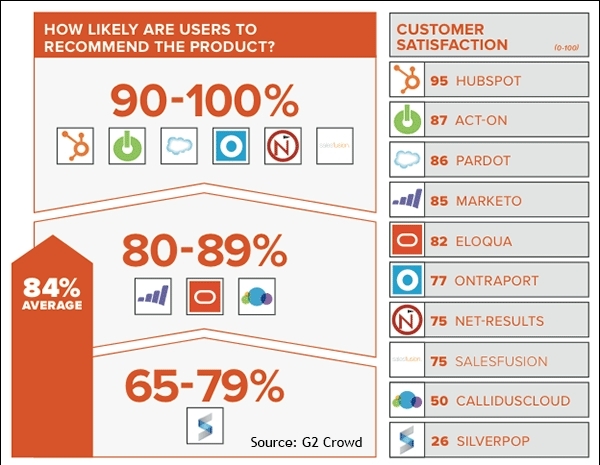
HubSpot is user-friendly and easy to learn. It offers a complete marketing, sales, and service platform. The interface is clean and intuitive, reducing training time. HubSpot includes strong inbound marketing tools. It supports email marketing, SEO, content management, and social media. The platform also offers useful analytics and reporting features. HubSpot has a large community and extensive resources. Its pricing is transparent and scalable for small businesses.
Salesfusion Advantages
Salesfusion excels at marketing automation with advanced features. It provides detailed lead scoring and nurturing options. The platform integrates well with various CRM systems. Salesfusion supports multi-channel campaigns including email, social, and events. It offers strong segmentation and personalization tools. Salesfusion’s reporting is customizable and deep. It is suitable for businesses needing complex automation workflows. The platform focuses on improving lead conversion rates effectively.
Potential Drawbacks
HubSpot can be expensive for larger teams or advanced features. Some users find its reporting less flexible than other platforms. The free plan has limited capabilities compared to paid tiers. HubSpot’s customization options are basic for complex workflows. Salesfusion has a steeper learning curve and setup time. It may overwhelm small businesses with its advanced features. Pricing details are less transparent and may require quotes. The user interface is less modern and less intuitive than HubSpot.
Frequently Asked Questions
Who Is Hubspot’s Biggest Competitor?
HubSpot’s biggest competitor is Salesforce. Salesforce offers advanced customization, scalability, and powerful analytics for large enterprises. HubSpot suits small to mid-size businesses with user-friendly marketing and sales integration. Both platforms serve different business needs effectively.
What Crm Is Better Than Hubspot?
Salesforce often outperforms HubSpot for large enterprises needing deep customization and advanced reporting. Act CRM excels in marketing automation. Zoho CRM suits businesses seeking affordable, versatile features. Choose based on your specific business size, complexity, and budget needs.
Which One Is Better, Hubspot Or Salesforce?
HubSpot suits small to mid-sized businesses with easy setup and integrated marketing. Salesforce fits large enterprises needing deep customization, advanced reporting, and scalability. Choose HubSpot for simplicity and cost-effectiveness; select Salesforce for powerful, complex workflows and extensive flexibility.
What Are The Cons Of Hubspot?
HubSpot can be costly for small businesses as pricing scales quickly. It lacks deep customization and advanced reporting. Some users find its automation features limited compared to competitors. The platform may become expensive as your contact list grows. Customer support options can be inconsistent at lower tiers.
Conclusion
Both HubSpot and Salesfusion offer solid marketing automation tools. HubSpot suits small to mid-sized businesses wanting easy setup and integrated features. Salesfusion may appeal to those needing more customization and advanced options. Consider your business size, budget, and goals carefully.
Test each platform to see which fits your workflow best. Choosing the right tool can improve marketing and sales efforts effectively. Take time to review features before deciding.