Are you wondering if you can integrate cloud-based Go-To-Market (GTM) tools with your CRM system? The answer matters because combining these powerful platforms can transform how you find new prospects and manage existing customer relationships.
Imagine having your sales pipeline and marketing efforts working together seamlessly, saving you time and boosting your revenue. You’ll discover the benefits of integration, how it works, and practical steps to connect your cloud GTM tools with your CRM. Keep reading to unlock the potential of a smarter, more efficient sales and marketing strategy tailored just for you.

Credit: labra.io
Cloud Gtm Tools And Crm Systems
Cloud GTM tools and CRM systems are essential for modern businesses. They help manage customer relationships and drive growth. Understanding their roles and differences is key to effective integration. This section explores what cloud GTM tools and CRM systems are, their core functions, and how they differ.
What Are Cloud Gtm Tools?
Cloud GTM tools support a company’s go-to-market strategy. They help teams find new customers and engage leads. These tools operate online, making them accessible from anywhere. They include marketing automation, sales enablement, and analytics platforms. Cloud GTM tools focus on attracting and converting prospects.
Core Functions Of Crm Systems
CRM systems manage a company’s interactions with existing customers. They store contact details, track sales activities, and manage support cases. CRMs improve customer retention and sales pipeline management. They help sales and support teams work efficiently. Cloud CRMs offer flexibility and easy access without complex setups.
Differences Between Gtm And Crm
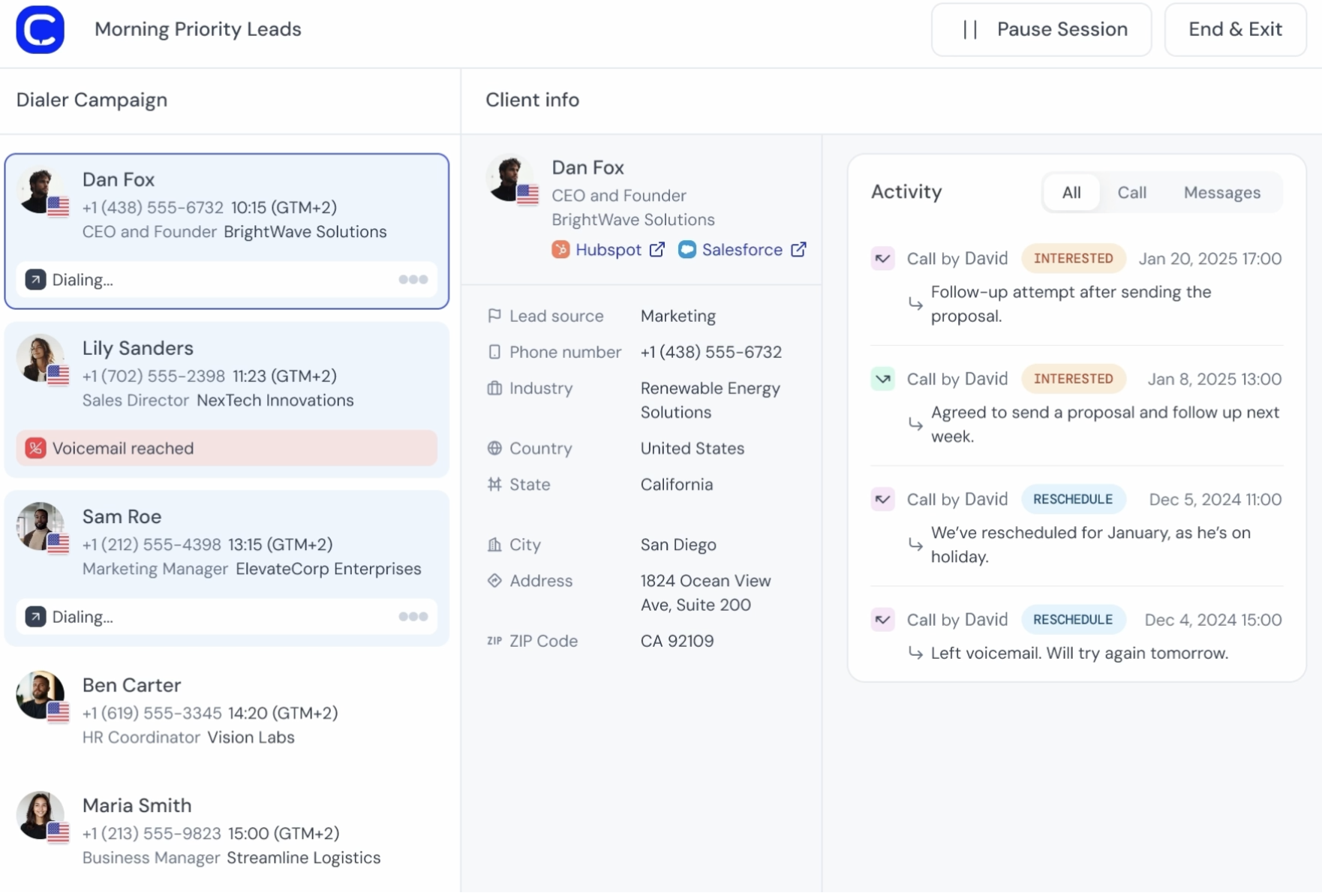
GTM tools focus on outward activities like lead generation and market analysis. CRM systems are inward-facing, focusing on existing customer relationships. GTM drives new business, while CRM nurtures current clients. Both tools serve different purposes but work best when integrated. Integration helps unify sales and marketing efforts for better results.
Credit: getvoip.com
Benefits Of Integrating Gtm With Crm
Integrating cloud GTM (Go-To-Market) tools with CRM systems offers many advantages. This connection helps businesses combine sales, marketing, and customer data smoothly. The result is better decision-making and faster response to customer needs.
Linking these tools reduces manual work and errors. It creates a single source of truth for customer information. Teams can collaborate easily and stay updated in real time.
Streamlined Data Flow
Data moves automatically between GTM tools and CRM systems. This avoids duplicate entries and saves time. Sales and marketing teams access accurate information instantly. It ensures no leads or customer updates are missed.
Automation reduces errors and keeps data consistent. Teams spend less time on data entry and more on strategy. The flow of information becomes smooth and reliable.
Improved Sales Efficiency
Sales teams get insights from marketing activities directly in the CRM. They understand lead quality and behavior better. This helps prioritize leads and focus on those most likely to buy.
Faster access to data shortens sales cycles. Sales reps can prepare personalized pitches based on complete customer profiles. This leads to higher conversion rates and better quota achievement.
Enhanced Customer Engagement
Integrated systems track customer interactions across channels. Teams deliver consistent messages and personalized offers. Customers feel understood and valued throughout their journey.
Marketing campaigns target the right audience with relevant content. Sales teams follow up with timely and informed conversations. This builds trust and long-lasting customer relationships.
Common Integration Methods
Integrating cloud GTM (Go-To-Market) tools with CRM systems improves data flow and team collaboration. Common integration methods help businesses connect these platforms smoothly. These methods vary in complexity and flexibility, allowing companies to choose what fits their needs best.
Api Connections
API connections use application programming interfaces to link GTM tools with CRM systems. This method allows real-time data exchange between platforms. Developers create custom workflows for syncing contacts, leads, and sales data. APIs offer high flexibility but require technical knowledge to set up and maintain.
Middleware Platforms
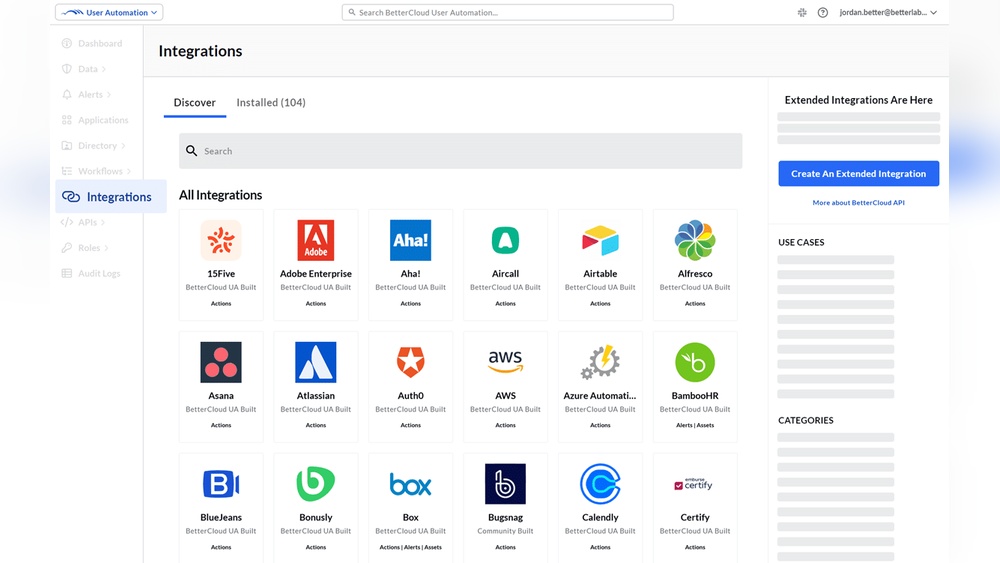
Middleware platforms act as a bridge between GTM and CRM software. They simplify integration by handling data transformation and routing. Popular middleware tools include Zapier, MuleSoft, and Integromat. These platforms reduce the need for coding and speed up deployment.
Native Integrations
Native integrations are built-in connectors provided by CRM or GTM vendors. They offer plug-and-play functionality for seamless syncing. These integrations often cover common use cases like lead management and reporting. Native options are easy to use but may have limited customization.
Challenges In Integration
Integrating cloud GTM tools with CRM systems offers great benefits. Yet, several challenges can slow down the process. Understanding these obstacles helps prepare for smoother integration. The main difficulties include data consistency, system compatibility, and security risks. Each plays a critical role in the overall success of integration.
Data Consistency Issues
Data in cloud GTM and CRM systems often comes from different sources. This causes mismatched or duplicated information. Inconsistent data leads to wrong reports and poor customer insights. Synchronizing data formats and update timings is a complex task. Without proper handling, teams may lose trust in the system.
System Compatibility
Cloud GTM tools and CRM platforms may use different technologies. Some might not support the same data protocols or APIs. This creates barriers for smooth data exchange. Custom coding or middleware is often needed to connect them. These extra steps increase time and cost. Compatibility issues can also cause system crashes or slowdowns.
Security Concerns
Integrating two powerful systems raises security risks. Data moves between platforms, increasing exposure to breaches. Sensitive customer information must remain protected. Proper encryption and access controls are essential. Companies must follow strict compliance rules to avoid penalties. Security gaps can damage reputation and customer trust.
Best Practices For Integration
Integrating cloud GTM tools with CRM systems requires careful planning. Best practices help make the connection smooth and effective. The goal is to improve data flow and user experience.
Following these steps reduces errors and saves time. It also helps teams work better with shared information. Here are the key best practices for integration.
Choosing The Right Tools
Select tools that fit your business needs. Look for compatibility with your existing CRM system. Check if the GTM tool supports cloud integration. Consider ease of use and customer support. Avoid tools that need complex coding or setup. Choose solutions that offer scalability for future growth.
Ensuring Data Synchronization
Data must flow correctly between GTM and CRM systems. Define which data points to sync, like contacts or sales leads. Set clear rules on how and when data updates happen. Avoid duplicate records by using unique identifiers. Test synchronization in small steps before full deployment. This prevents data loss and keeps information accurate.
Continuous Monitoring And Maintenance
Integration is not a one-time task. Regularly check system connections for errors or delays. Monitor data accuracy and fix issues quickly. Update tools and software to maintain compatibility. Train staff on new features and changes. Ongoing maintenance ensures integration stays reliable and efficient.
Impact On Business Efficiency
Integrating cloud GTM (Go-To-Market) tools with CRM systems can significantly impact business efficiency. This integration streamlines processes and enhances how teams handle customer data and sales activities. It reduces manual work and speeds up workflows. Businesses gain better insights and improved communication across departments.
Such integration also helps in managing leads and forecasting sales more accurately. Teams collaborate more effectively, leading to faster decision-making. The overall result is a more responsive and agile business operation.
Faster Lead Conversion
Integrating cloud GTM tools with CRM systems helps convert leads faster. Sales teams get real-time data on prospects, allowing quick follow-ups. Automation reduces delays in capturing and nurturing leads. This speed increases the chances of closing deals before competitors. Faster lead conversion means improved sales performance and revenue growth.
Better Sales Forecasting
Data from GTM tools combined with CRM insights improve sales forecasting. Businesses can predict sales trends with greater accuracy. This helps in setting realistic targets and planning resources. Accurate forecasts reduce risks and avoid over- or under-stocking. Better forecasting supports informed decision-making and business growth.
Improved Collaboration Across Teams
Integration breaks down silos between marketing, sales, and customer service teams. Everyone accesses the same data in real time. This shared visibility improves communication and coordination. Teams can align their strategies and work towards common goals. Improved collaboration leads to higher productivity and better customer experiences.
Future Trends In Gtm And Crm Integration
Future trends in GTM (Go-To-Market) and CRM (Customer Relationship Management) integration show a clear path towards smarter, faster, and more connected business processes. These trends focus on improving how companies manage customer data and market strategies. Enhanced integration helps teams work better and make decisions quickly. The future will bring tools that not only link GTM and CRM but also help predict customer needs and automate tasks.
Role Of Artificial Intelligence
Artificial Intelligence (AI) plays a big part in GTM and CRM integration. AI analyzes customer data to find patterns and predict behavior. This helps sales teams target the right customers at the right time. AI can also improve lead scoring and personalize marketing messages. It reduces manual work by providing smart insights from large data sets. AI makes the integration more efficient and effective.
Increased Automation
Automation is a key trend in linking GTM tools with CRM systems. It removes repetitive tasks like data entry and follow-ups. Automated workflows speed up sales cycles and improve customer experience. Automation also ensures data is consistent across platforms. This helps teams stay aligned and focus on strategy instead of routine work. Businesses can respond faster to market changes.
Cloud-native Solutions
Cloud-native solutions are shaping the future of GTM and CRM integration. These solutions run fully on the cloud, making them easy to access and scale. Cloud-native tools offer better flexibility and security. They support real-time data sharing and collaboration across teams. Cloud platforms allow quick updates and integration with other apps. This creates a seamless experience for marketing and sales teams.

Credit: dealhub.io
Frequently Asked Questions
What Is The Difference Between Crm And Gtm?
CRM focuses on managing and nurturing existing customer relationships. GTM targets acquiring new customers through marketing and sales strategies. CRM is inward-looking, while GTM is outward-facing. Both systems complement each other to boost revenue and growth.
What Is Crm Integration In Marketing?
CRM integration in marketing connects third-party apps with your CRM to sync customer data automatically. It improves targeting and campaign efficiency.
What Is A Gtm Tech Stack?
A GTM tech stack is a set of tools that support marketing, sales, and customer success for effective market engagement and revenue growth.
What Is A Crm In The Cloud?
A cloud CRM is a customer relationship management system hosted online. It offers easy access, scalability, and no software installation.
Conclusion
Integrating cloud GTM tools with CRM systems helps unify sales and marketing efforts. It allows teams to share data smoothly and work more efficiently. This connection improves customer tracking and lead management. Businesses can respond faster to prospects and close deals better.
Cloud-based solutions offer flexibility and easy access from anywhere. Choosing the right tools ensures a seamless integration process. Overall, combining these systems supports smarter decision-making and stronger customer relationships.