

If you want to make your business run smoother and keep your customers coming back, understanding how CRM relates to Business Process Management is key. You might already know that CRM helps you track customer info and interactions, but how does that connect with the bigger picture of managing your entire business workflow?
When you link CRM with well-designed business processes, you create a powerful system that not only improves how you handle customer relationships but also boosts efficiency across your company. You’ll discover how these two concepts work together to build trust, speed up operations, and deliver better experiences that your customers will love.
Keep reading to see how mastering this connection can transform your business from the inside out.
Crm And Bpm Basics
Understanding the basics of CRM and BPM helps businesses improve their operations and customer relations. Both tools serve important roles but focus on different areas. CRM targets managing customer data and interactions. BPM focuses on optimizing internal workflows and processes.
Together, they create a smoother experience for customers and employees. Knowing their roles and differences helps companies use them effectively to boost productivity and satisfaction.
Role Of Crm In Business
CRM stands for Customer Relationship Management. It stores detailed information about customers. This includes contact details, purchase history, and support requests. CRM helps sales and support teams communicate better with customers. It keeps all data in one place for easy access. This improves customer service and helps build loyalty. CRM tools also track customer interactions and preferences. This allows businesses to personalize offers and marketing messages.
Scope Of Bpm In Organizations
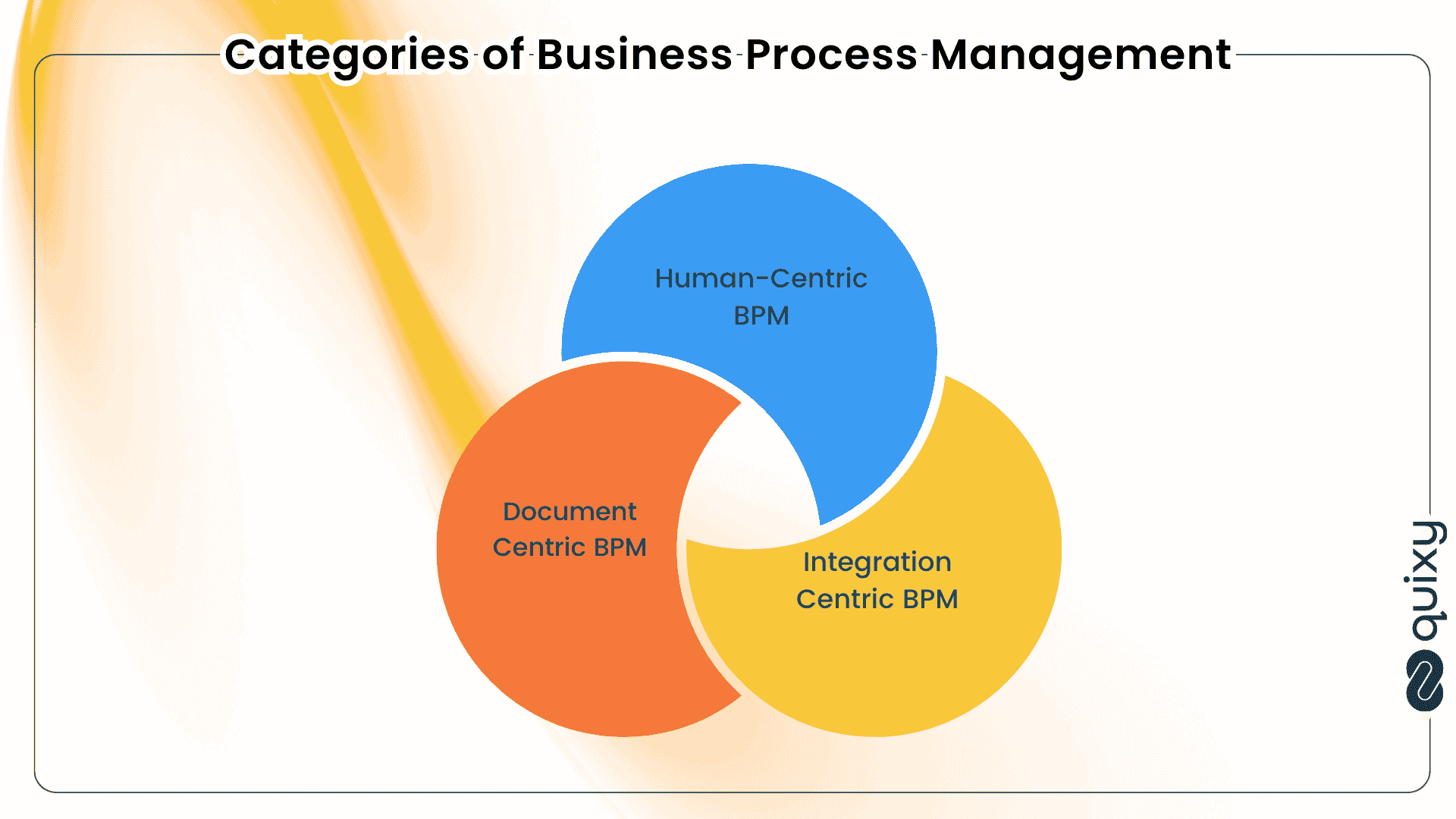
BPM means Business Process Management. It looks at how work gets done inside a company. BPM analyzes and improves workflows to make processes faster and error-free. It covers tasks like order processing, billing, and customer support. BPM ensures that teams follow the best steps to complete their work. It helps reduce delays and costs by automating repetitive tasks. BPM also tracks performance and highlights areas to improve. This leads to better quality and consistent results.
Key Differences Between Crm And Bpm
CRM focuses mainly on managing customer information and interactions. BPM focuses on managing how tasks and processes flow inside the business. CRM helps improve customer relationships and sales. BPM helps improve efficiency and quality of work. CRM is customer-facing while BPM is often behind the scenes. Both systems use data but for different purposes. CRM data supports marketing and support efforts. BPM data supports process optimization and resource planning.

Credit: www.youtube.com
How Bpm Shapes Customer Relations
Business Process Management (BPM) plays a key role in shaping how companies interact with customers. It organizes workflows and tasks that support every step of customer engagement. BPM helps businesses keep promises and improve relationships by making processes clear and efficient.
With BPM, companies can focus on delivering consistent, fast, and quality service. This builds trust and satisfaction, which are essential for long-term customer loyalty. Understanding how BPM impacts customer relations helps businesses improve their service and grow stronger connections.
Ensuring Consistency And Trust
BPM sets clear rules for every customer interaction. This means customers get the same quality each time. Consistency reduces errors and surprises, which builds trust. Trust is the base of any strong customer relationship. When customers trust a business, they keep coming back.
Speed And Quality In Customer Interactions
BPM streamlines tasks to make customer service faster. Quick responses and smooth processes improve customer satisfaction. Quality stays high because BPM removes unnecessary steps and errors. Fast and quality service shows customers they matter. This boosts their experience and loyalty.
Turning Promises Into Experiences
BPM turns business promises into real actions customers feel. It aligns all parts of the company to deliver on promises. This creates seamless experiences from first contact to after-sales. Customers see that the company delivers what it says. This makes the brand reliable and respected.
Linking Crm Data With Business Processes
Linking CRM data with business processes enhances how a company interacts with its customers. It creates a seamless flow of information between customer-facing activities and internal workflows. This connection allows businesses to respond faster and deliver more tailored experiences.
Integrating CRM data into business processes helps track every customer touchpoint. It supports decision-making and improves service quality. Below are key ways this integration benefits businesses.
Centralizing Customer Information
A CRM system collects all customer data in one place. This includes contact details, purchase history, and past interactions. Centralized data removes information silos across departments. Sales, support, and marketing teams access the same updated records. This consistency reduces errors and speeds up customer service.
Using Data For Personalization
CRM data enables businesses to tailor their offerings to each customer. Knowing preferences and past purchases helps create relevant marketing campaigns. Personalized communication feels more engaging and builds loyalty. Business processes that use this data can automate customized responses and product recommendations.
Proactive Customer Engagement
Linking CRM with workflows allows companies to anticipate customer needs. Automated alerts can remind teams to follow up or offer support. Early intervention solves problems before they grow. Proactive engagement improves customer satisfaction and encourages repeat business.
Optimizing Customer Touchpoints
Optimizing customer touchpoints is essential to improving how a business interacts with its clients. Every moment a customer engages with a company shapes their overall experience. Efficient management of these interactions boosts satisfaction and loyalty. CRM and Business Process Management (BPM) work together to enhance these touchpoints by streamlining workflows and organizing customer data.
Sales Process Efficiency
CRM systems track leads and customer data in one place. BPM maps out the steps sales teams follow to close deals. Combining both ensures sales activities are consistent and timely. Automation reduces manual tasks, allowing sales reps to focus on customers. Faster response times improve conversion rates and customer trust.
Streamlined Support Workflows
Customer support benefits from clear processes and accessible information. CRM stores customer history and past issues for quick reference. BPM defines how support teams handle requests, assign tasks, and follow up. This reduces delays and repeated questions. Customers get faster, more accurate help, which raises satisfaction levels.
Order Fulfillment Accuracy
Order processing involves many steps, from receipt to delivery. BPM outlines each stage to avoid errors and delays. CRM provides real-time customer data to verify orders and preferences. Together, they minimize mistakes and keep customers informed. Accurate fulfillment builds reliability and encourages repeat business.
Benefits Of Integrating Crm And Bpm
Integrating Customer Relationship Management (CRM) with Business Process Management (BPM) creates powerful benefits for any business. This blend helps companies organize customer information and improve how they work internally. The result is smoother operations and better service for customers.
Using CRM and BPM together allows businesses to respond faster to customer needs. It also helps teams follow clear steps to deliver consistent, high-quality results. This combination supports growth by making every interaction more efficient and meaningful.
Improved Customer Satisfaction
Integration of CRM and BPM ensures customers get quick and accurate responses. Clear business processes reduce errors and delays in service. Customers feel valued when their needs are met promptly. This leads to positive experiences and higher satisfaction rates.
CRM keeps detailed records of customer preferences and history. BPM uses this data to guide employees in delivering personalized service. Customers enjoy tailored offers and solutions that fit their needs perfectly.
Operational Excellence
Linking CRM with BPM helps streamline workflows and reduce repetitive tasks. Employees follow well-defined steps, which lowers mistakes and speeds up work. This creates a more productive and efficient organization.
Automation of routine actions frees staff to focus on important tasks. Teams can track progress easily and adjust processes quickly. Operational excellence improves overall business performance and agility.
Building Long-term Loyalty
Combining CRM and BPM strengthens customer relationships over time. Consistent quality and personalized experiences build trust. Customers return because they know what to expect and feel appreciated.
Data from CRM helps identify loyal customers and their behaviors. BPM supports creating rewards and programs that encourage repeat business. Long-term loyalty grows from reliable service and meaningful connections.

Credit: www.youtube.com
Real-world Examples
Real-world examples show how CRM and Business Process Management (BPM) work together. They help businesses improve workflows and customer interactions. These examples reveal clear benefits in sales, support, and order fulfillment. Each area gains from better data use and streamlined processes.
Sales Process Improvements
CRM collects customer data and tracks leads throughout the sales funnel. BPM maps these sales steps to find and fix bottlenecks. For example, a company used CRM data to spot slow follow-ups. By redesigning the process, sales reps responded faster. This change increased lead conversions and shortened sales cycles.
Another business automated task assignments using BPM tools linked with CRM. Sales teams received alerts for priority customers. This reduced missed opportunities and improved customer engagement.
Support Process Enhancements
CRM stores customer issues, preferences, and history. BPM designs workflows to handle these cases efficiently. A tech firm integrated CRM with BPM to route support tickets based on urgency and skill level. This cut response times and raised satisfaction scores.
With BPM, companies set clear steps for follow-up and escalation. CRM data helped personalize support. Customers felt understood and valued, boosting loyalty.
Order Fulfillment Success Stories
Order fulfillment involves many tasks: receiving, processing, shipping, and feedback collection. CRM tracks customer orders and preferences. BPM ensures every step flows smoothly without delays.
One retailer combined BPM and CRM to monitor order status in real time. They identified delays early and fixed them quickly. Customers received timely updates, improving trust and repeat business.
Another example is automated inventory checks triggered by CRM orders. This reduced stockouts and improved delivery speed.
Credit: quixy.com
Frequently Asked Questions
Is Crm A Business Process?
Yes, CRM is a business process focused on managing customer interactions and data. It centralizes information to improve relationships and sales.
What Is The Difference Between Crm And Bpm?
CRM focuses on managing customer data and relationships, while BPM optimizes internal business processes and workflows across the organization.
How Do Business Processes Relate To Customer Relations?
Business processes ensure consistent, efficient delivery of products and services, directly enhancing customer satisfaction and trust. They streamline interactions, manage data for personalization, and improve support, creating positive experiences that strengthen customer relationships and loyalty.
What Is Business Process Flow In Crm?
A business process flow in CRM guides users through defined stages to complete tasks consistently. It improves efficiency, ensures data accuracy, and enhances customer experience by standardizing sales, service, or marketing activities within the CRM system.
Conclusion
CRM and Business Process Management work closely to improve customer experiences. BPM organizes how work gets done inside a business. CRM focuses on managing customer information and interactions. Together, they help businesses deliver consistent, fast, and personalized service. Clear processes build trust and satisfaction among customers.
Using data well allows companies to meet customer needs better. Optimized workflows make every customer step smooth and easy. This partnership supports stronger relationships and business success over time.